The Resignation That Shook the Church
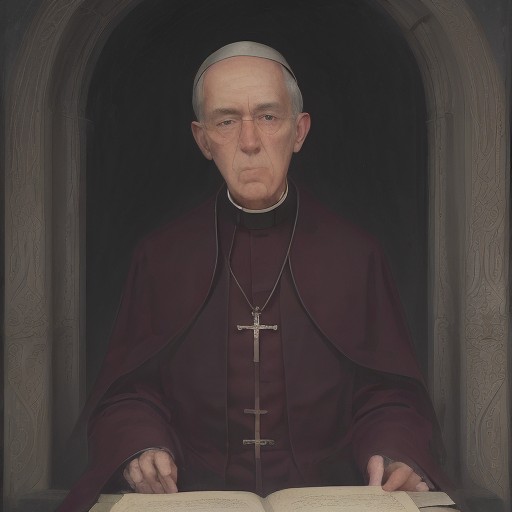
In a stunning turn of events, Archbishop Justin Welby has announced his resignation from the esteemed position of Archbishop of Canterbury, following the damning findings of the Makin report. This report has unearthed a disturbing history of the Church of England’s inaction regarding child abuse allegations against the notorious John Smyth, a former barrister turned religious figure. The sheer scale of the scandal has sent shockwaves through the Anglican community and beyond, prompting an urgent need for accountability at the highest levels of the church.
Understanding the Makin Report
The Makin report, released just weeks before Welby’s resignation, painted a grim picture of how senior clergy, including Welby himself, failed to act on serious allegations of abuse that were known to them before 2017. The report not only highlights a systemic issue within the church but also raises pressing questions about the moral compass guiding its leaders. The findings have been described as ‘devastating’ by survivors and advocates, who argue that the church’s response has been woefully inadequate.
Welby’s Contemplation and Subsequent Decision
Initially, Archbishop Welby expressed reluctance to resign, indicating that he intended to continue serving despite the mounting pressure. However, the weight of the revelations in the Makin report and the relentless calls from victims and their supporters for accountability ultimately led him to reconsider his position. His resignation marks a significant moment in the Church of England’s history, as it grapples with the fallout of a scandal that has tarnished its reputation.
Immediate Aftermath: Suspensions and Calls for Accountability
The fallout from the Makin report has been swift and severe, with several clergy members facing suspension as investigations continue. Notably, Hugh Palmer, a former chaplain to the late Queen Elizabeth II, and Rev Rico Tice, a well-known evangelical figure, have found themselves embroiled in this scandal. Their suspensions signal a broader movement within the church to address the severe missteps of its leaders and to provide justice for the victims.
The Search for a New Leader
As the Church of England enters this turbulent phase, the search for Welby’s successor is already underway. The appointment of the 106th Archbishop of Canterbury could influence the church’s direction and its handling of past abuses. Will the next leader prioritize transparency and accountability, or will they continue the legacy of silence and complicity? This question looms large as the church community watches closely for developments.
Victims and Advocates Demand More Action
The resignation of Justin Welby may have been a necessary step, but for many, it is just the beginning. Survivors of abuse and their advocates are calling for further actions, including the resignation of other senior bishops implicated in the scandal. The Makin report’s findings have sparked outrage, leading to protests and demands for a complete overhaul of how the church addresses allegations of abuse. The community’s trust has been severely eroded, and the path to rebuilding it is fraught with challenges.
Reactions from the Anglican Community
The reactions to Welby’s resignation have been mixed. While many see it as a courageous step towards accountability, others are skeptical about whether this change will lead to meaningful reform within the church. Some church members express a sense of betrayal, feeling that their leaders have failed to protect the vulnerable while prioritizing institutional reputation over justice.
Speculations on the Future of the Church
The Church of England now stands at a crossroads. Speculation abounds regarding its future direction and the potential for reform. Will the next Archbishop of Canterbury champion a new era of transparency and healing, or will the church continue to grapple with its past? The implications of this leadership change could be profound, affecting not only the church’s internal structure but also its relationship with the wider community.
The Role of Faith in Times of Crisis
As the church faces this unprecedented crisis, many are turning to their faith for guidance and strength. The situation poses a fundamental question: How can a faith-based institution uphold its values in the face of such grave misconduct? Church leaders and congregants alike are called to engage in difficult conversations about faith, accountability, and healing.
Conclusion: A Call for Change
The resignation of Archbishop Justin Welby is a pivotal moment in the history of the Church of England. It serves as a stark reminder of the importance of accountability, transparency, and the urgent need for reform in the face of systemic failures. As the church moves forward, it must prioritize the voices of victims and work diligently to restore trust and integrity within its ranks. The eyes of the world are watching, and the time for meaningful change is now.
As the Church navigates this challenging period, one thing is clear: the need for a robust response to past abuses is more critical than ever. The church’s commitment to justice, healing, and reform will be the true measure of its future success.


