Introduction: The Hidden Gem of Northeast India
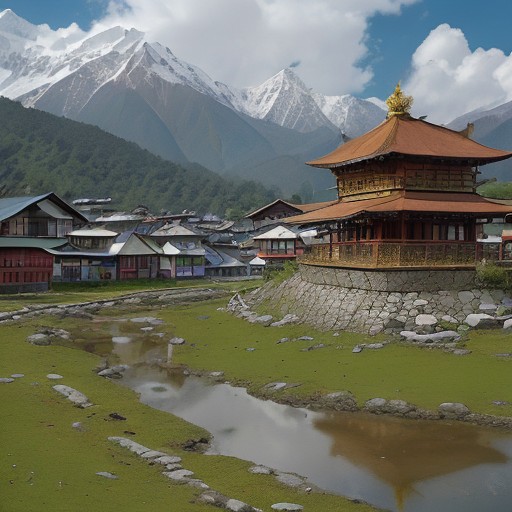
Sikkim, a small yet breathtaking state in northeastern India, is a treasure trove of culture, adventure, and natural beauty. Nestled in the lap of the Himalayas, it shares borders with the Tibet Autonomous Region of China, Bhutan, and Nepal’s Koshi Province. With its rich history and diverse communities, Sikkim has transformed into a dynamic hub of activities, drawing tourists and enthusiasts alike. Recent events have further highlighted the state’s commitment to promoting sports, tourism, and cultural heritage, making it a focal point of interest in India.
Sportsmanship Shines: The Governor’s Gold Cup Football Tournament
In a show of unity and sportsmanship, Sikkim’s Chief Minister, Prem Singh Tamang, recently led an exhibition football match at the iconic Paljor Stadium. This event was part of the Governor’s Gold Cup Football Tournament, which has a celebratory 40-year history. After a four-year hiatus, the tournament returned with much fanfare, featuring local teams like the Gangtok Himalayan SC, which captivated fans with their electrifying performances.
This event is not just about the love for the sport; it symbolizes the state’s dedication to promoting a healthy lifestyle among its youth. The Chief Minister’s participation emphasized the importance of teamwork and camaraderie, two values that resonate deeply within Sikkim’s close-knit communities. As Sikkim strives to put itself on the sports map of India, the Governor’s Gold Cup serves as a beacon of hope for aspiring athletes and sports lovers.
Winter Wonderland: First Snowfall at Tsomgo Lake and Gnathang Valley
As winter settles in, Sikkim unveiled its enchanting charm with the season’s first snowfall at the picturesque Tsomgo Lake and Gnathang Valley. This spectacular event did not just blanket the landscapes in pristine white; it also drew a wave of tourists eager to experience the ethereal beauty of the Himalayas. The snowfall has significant implications for local tourism, which is vital for Sikkim’s economy.
Tourists flocking to these stunning locales can indulge in activities such as snow trekking, photography, and enjoying the serene beauty that only a Himalayan winter can offer. However, with the increase in tourism, there are pressing concerns regarding environmental sustainability. As more visitors arrive, the delicate ecosystem of Sikkim faces challenges that require careful management.
Cultural Heritage and Unity: Revamping Traditions
In a bid to celebrate Sikkim’s rich cultural heritage, Chief Minister Tamang inaugurated the remodeled Bhutia-Lepcha House, a significant landmark that symbolizes the unity and diversity of Sikkim’s communities. This initiative not only preserves the unique architectural styles inherent to the Bhutia and Lepcha tribes but also promotes inclusivity among Sikkim’s multicultural populace.
The event highlights a critical aspect of Sikkim’s identity: its ability to foster harmony among various ethnic groups. As Sikkim navigates a rapidly changing world, maintaining its cultural roots while embracing modernity is essential. However, this endeavor also raises questions about how well these initiatives will resonate with the younger generation, who may prioritize global influences over local traditions.
Literary Voices: The Pakyong Literary Festival 2024
The Pakyong Literary Festival 2024 marked a significant milestone for Sikkim as it celebrated 50 years of statehood. This festival, focused on social causes, has attracted writers, thinkers, and enthusiasts who engage in discussions, competitions, and exhibitions aimed at addressing contemporary issues. The festival serves as a platform for local voices to be heard, fostering a culture of dialogue and creativity.
However, the festival’s emphasis on social themes raises important questions about the role of literature in activism. As participants share their thoughts on pressing issues, the potential for literature to ignite change becomes apparent. Can Sikkim’s literary community drive social progress, or will it merely serve as a reflection of existing sentiments?
Ayurvedic Advancements: A Step Towards Integrative Healthcare
In a notable development for healthcare in Northeast India, the Regional Ayurveda Research Institute in Gangtok hosted a visit by Prof. Vd. Rabinarayan Acharya, the Director General of the Central Council for Research in Ayurvedic Sciences. This visit aimed to bolster Ayurvedic research and promote its integration into the local healthcare system.
With Sikkim’s rich biodiversity, the state is poised to become a hub for Ayurveda. However, questions about the effectiveness and acceptance of Ayurvedic practices in a modern medical landscape linger. Will Sikkim lead the way in blending traditional and contemporary healthcare methods, or will skepticism hinder this promising initiative?
Infrastructure and Development: Water and Sanitation Initiatives
While specific details on Sikkim’s recent water and sanitation projects are scarce, the state has garnered recognition for its efforts to improve infrastructure in these critical areas. Enhanced water and sanitation facilities have a profound impact on public health, especially in rural regions. As Sikkim continues to strive for development, these initiatives are vital for sustaining its population and promoting a better quality of life.
However, the effectiveness of these projects often comes under scrutiny. Are the resources allocated to these programs sufficient? Will the local communities actively participate in maintaining these facilities to ensure long-lasting benefits?
Natural Events: Earthquake Preparedness in Gangtok
On November 12, 2024, a mild earthquake measuring 3.5 struck Gangtok, reminding residents of the region’s seismic vulnerability. Such natural occurrences raise concerns about disaster preparedness and response strategies in Sikkim, especially as the region continues to experience environmental changes.
The Indian Army’s Trishakti Corps recently conducted a high-altitude firing exercise in Sikkim’s rugged terrains, reaffirming its commitment to national security. This exercise not only showcases the army’s operational capabilities but also reinforces the strategic importance of Sikkim in India’s defense framework.
The juxtaposition of military preparedness and natural disaster risks presents a complex scenario. How does Sikkim balance its need for security with the pressing reality of environmental challenges? This duality poses a critical question for both residents and policymakers.
Celebrating Achievements: Honoring Shanti Rai
Sikkim’s very own Shanti Rai recently made headlines as she was awarded the prestigious IMF Gold Medal for her extraordinary achievements in mountaineering. This recognition not only highlights her individual accomplishments but also brings attention to Sikkim as a burgeoning center for adventure sports.
As adventure tourism gains popularity, the state stands at a crossroads. Will it capitalize on its natural beauty to promote tourism further, or will it face the challenge of managing the influx of thrill-seekers while preserving its ecological integrity?
Conclusion: A Future Full of Promise and Challenges
Sikkim is undeniably a state in transition, marked by vibrant events and initiatives that showcase its commitment to sports, culture, and sustainable development. As it moves forward, the state must navigate the challenges that come with growth while honoring its rich heritage and natural landscape. The recent updates reflect a dynamic interplay of tradition and modernity that defines Sikkim today.
As tourists, residents, and policymakers engage with these developments, the future of Sikkim remains full of promise, yet fraught with challenges. The question remains: will Sikkim succeed in maintaining its unique identity while embracing the winds of change?


