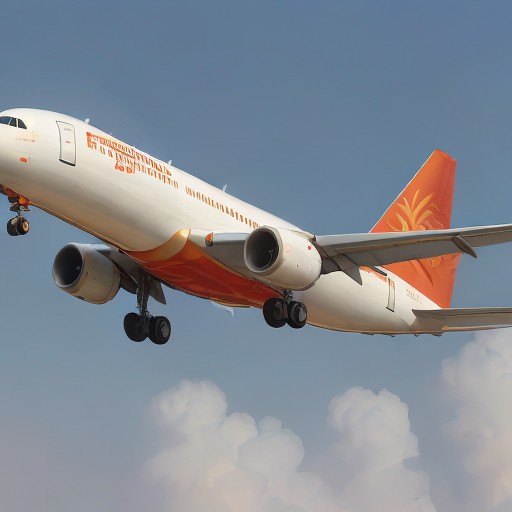
The Flight from Hell: Air India’s Phuket to New Delhi Journey Turns Nightmarish
In a shocking turn of events that has sent shockwaves through the aviation community, Air India found itself at the center of a public relations nightmare when a flight from Phuket to New Delhi left passengers stranded for a staggering 80 hours. This distressing incident not only raises questions about Air India’s operational efficiency but also highlights the potential risks of merging airline operations, as seen with the integration of Vistara into its platform.
Initial Cancellation: Duty Limits and Delays
The ordeal began when the flight, which was set to bring holidaymakers back to India, was abruptly canceled due to Flight Duty Time Limitations (FDTL). The crew onboard had reached their maximum allowable duty limit, leaving passengers bewildered and frustrated. It’s a situation that many frequent flyers dread: being trapped in a foreign country with their travel plans thrown into disarray.
While cancellations can happen for various reasons, the timing and lack of immediate solutions left many passengers feeling stranded, both physically and emotionally. As they huddled in the airport, the question loomed: How could such a scenario unfold in the age of modern aviation?
Technical Troubles: The Airbus A320’s Dilemma
As if the initial cancellation were not enough, the situation worsened when the Airbus A320 aircraft developed technical issues, necessitating its return to Phuket for repairs. This unexpected turn of events left the remaining passengers in an agonizing limbo, with no clear timeline for resolution.
The technical troubles of the aircraft compounded the frustration of passengers who were already grappling with the fallout from the FDTL-related cancellation. With each passing hour, the passengers’ hope for a swift resolution dwindled, giving way to anxiety and skepticism about Air India’s operational capabilities.
Repatriation Plans: A Ray of Hope?
In the wake of this debacle, Air India announced plans to repatriate the remaining 30 passengers affected by the incident. However, the question remains: Was this response sufficient to mend the damage done to their reputation?
For those stranded, the promise of repatriation was a glimmer of hope amidst a chaotic situation. But the emotional toll of the experience was undeniable. Passengers expressed outrage and disappointment on social media, with many questioning whether they would ever choose Air India again after such a harrowing experience.
Operational Challenges: A Warning Sign for Air India
This incident sheds light on the operational challenges faced by Air India, especially after the merger with Vistara. The integration of bookings from Vistara into Air India’s platform was expected to streamline operations, yet this unfortunate event raises concerns about the effectiveness of such a merger.
Could the operational hiccups in Phuket be a sign of larger issues lurking beneath the surface? Questions surround whether Air India is adequately equipped to handle the complexities of a larger fleet resulting from the merger. The airline industry is known for its thin profit margins, and inefficiencies can be catastrophic.
Public Reaction: Outrage and Speculation
The public’s reaction to the incident has been fierce, with many taking to social media to voice their discontent. Passengers shared their stories of frustration, lost vacation time, and the emotional toll of being stranded. Some speculated whether Air India’s operational challenges would lead to a broader investigation into their safety and operational protocols.
Moreover, the incident has sparked a broader debate about airline responsibility during such crises. What obligations do airlines have to their passengers when things go awry? Should there be stricter regulations governing FDTL and aircraft maintenance, especially for airlines managing newly integrated fleets?
The Bigger Picture: Implications for the Aviation Industry
This incident is not just an isolated case; it serves as a cautionary tale for the aviation industry at large. As airlines continue to merge and expand their fleets, operational challenges are likely to arise. The Air India Phuket flight fiasco could serve as a catalyst for change, prompting airlines to reevaluate their protocols and customer service strategies.
Furthermore, this situation raises questions about how airlines manage their resources and personnel. In an era where customer experience is pivotal, a failure to address systemic issues could lead to a loss of trust among travelers, who have a plethora of options to choose from.
Conclusion: A Call for Accountability
As Air India moves forward from this incident, it must take steps to ensure that such a situation does not arise again. The aviation industry is built on reliability, and passengers must feel confident that they will be cared for in times of crisis.
The Phuket flight fiasco has not only left an indelible mark on the travelers who endured it but also poses critical questions about the future of Air India and the industry at large. Will the airline take this opportunity to reassess its operations and enhance its commitment to customer satisfaction? Only time will tell.
For now, this incident serves as a reminder that in the world of aviation, the journey can sometimes be as tumultuous as it is exciting. As passengers continue to share their experiences, the hope is that the industry learns from these challenges, ensuring safer, more reliable travel for all.


