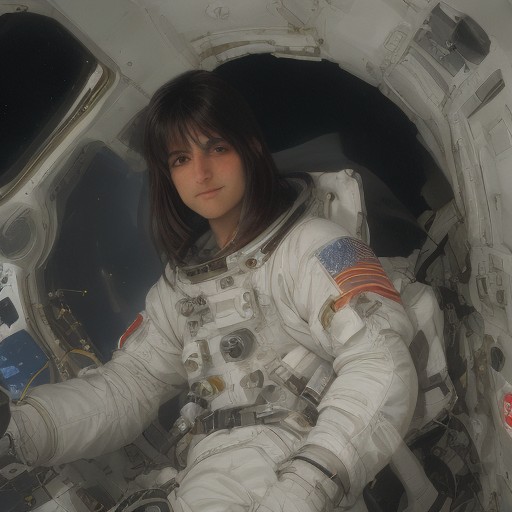
The Unforeseen Odyssey: Sunita Williams on the International Space Station
As the world watches in awe, astronaut Sunita Williams remains an emblem of resilience aboard the International Space Station (ISS). Since June 6, she has been orbiting Earth alongside fellow astronaut Barry Wilmore, but their planned return home has turned into an unexpected saga. With the Boeing Starliner spacecraft’s prolonged delays, Williams’s ordeal raises questions about the future of space travel, astronaut welfare, and the implications of isolation in the cosmos.
Food Supply Fears: A Daily Struggle
Living in microgravity for months, Williams has adapted to a life that most of us can barely imagine. However, the reality is stark; the limited fresh food supply has become a pressing concern. The ISS orbits Earth approximately every 90 minutes, resulting in an astonishing 16 sunrises and sunsets each day. While this may sound magical, it also means that the astronauts are experiencing an unending cycle of day and night, contributing to potential psychological challenges. With dwindling food resources, the question looms: how much longer can Williams and Wilmore sustain themselves?
Delayed Return: From Boeing Starliner to SpaceX
Initially, Williams and Wilmore were slated to return to Earth using the Boeing Starliner, but repeated delays have left them stranded in orbit. As of the latest updates, their new return plan involves a SpaceX vehicle, with a projected landing date in February 2025. This shift not only highlights the challenges faced by commercial space travel but also raises critical concerns about the reliability of spacecraft and the safety of astronauts. What does this mean for future missions? Are we prepared to trust commercial enterprises with the lives of our space explorers?
Health at Stake: The Hidden Dangers of Space
After six months in the unforgiving environment of space, both Williams and Wilmore are reportedly facing health issues. While specific details remain under wraps, the implications of prolonged space travel on human health cannot be ignored. Astronauts often encounter various risks, including muscle atrophy, bone density loss, and radiation exposure. The necessity for ongoing research into the health impacts of extended missions is more pressing than ever. Will this situation prompt a reevaluation of how we prepare astronauts for long-term space habitation?
Voting from Space: A Galactic Democracy
In a fascinating twist, despite her challenging circumstances, Sunita Williams is prepared to cast her vote in the 2024 US presidential election from the ISS. Thanks to NASA’s established protocols, astronauts can participate in elections while orbiting Earth. This unique aspect of space travel underscores the resilience of democracy, even in the most isolated environments. As Williams prepares to make her voice heard, how will this influence public perception of astronauts and their role in political processes?
A Presidential Rescue Joke: The Weight of Public Attention
In a light-hearted moment amidst the tension, President Joe Biden jokingly remarked about the possibility of traveling to the ISS to rescue Williams and Wilmore. This humorous comment captures the public’s fascination with the astronauts’ plight but also highlights the seriousness of their situation. With global attention focused on their journey, the stakes are high. How will public opinion shape the future of space missions and the support provided to astronauts?
The Bigger Picture: Implications for Space Exploration
As we follow Sunita Williams’s extraordinary journey aboard the ISS, it’s essential to consider the broader implications for space exploration. The delays, health concerns, and food supply issues spotlight the challenges that come with pushing the boundaries of human capability. Will these incidents lead to a reevaluation of current space policies? How can we ensure the safety and well-being of astronauts in future missions?
Community Response: A Collective Concern
The community response to Williams’s situation has been a mix of concern, admiration, and intrigue. Social media has exploded with hashtags and discussions around her plight, bringing together a global audience who shares a fascination for space exploration. The questions raised about the sustainability of long-term space missions echo through forums, articles, and news outlets. People are eager to know how we can better prepare for the future of space travel and the safety of those who dare to venture into the unknown.
Conclusion: A Story of Humanity in Space
Sunita Williams’s ongoing experience aboard the ISS is not just a tale of adventure; it is a reflection of humanity’s relentless pursuit of knowledge and exploration. As we watch her navigate the complexities of life in orbit, we are reminded of the fragility of our existence and the need for innovation in space travel. Will she and Wilmore return home safely in 2025, and what lessons will we learn from this unprecedented situation? The answers may shape the future of space exploration for generations to come.
Stay tuned for further updates on Sunita Williams’s journey as we continue to follow this remarkable story of resilience, hope, and the unyielding human spirit in the face of adversity.


