The Extended Mission: A Journey Beyond Limits
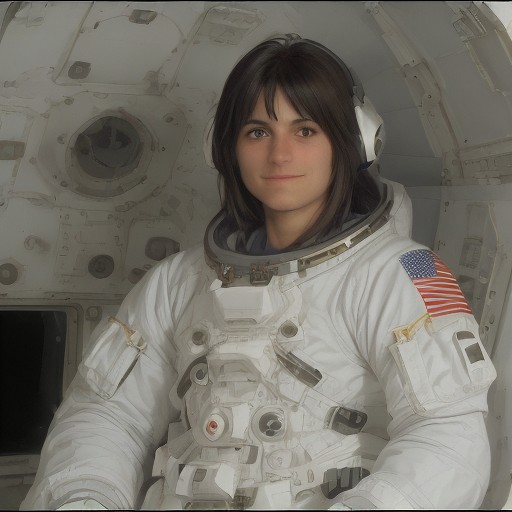
NASA astronaut Sunita Williams has recently made headlines not just for her remarkable achievements but for her extended stay aboard the International Space Station (ISS). Originally scheduled for a shorter mission, Williams found herself navigating unforeseen challenges that tested her resilience and adaptability. Issues with Boeing’s Starliner crew capsule and the disruptive forces of nature, particularly Hurricane Milton, forced a delay in the astronauts’ much-anticipated return journey to Earth.
As the world watched, Williams and her fellow astronauts, including Matthew Dominick and Jeanette Epps, faced the stark realities of life in space. Their mission, originally designed for a specific timeframe, morphed into an extended period of exploration and endurance, showcasing the unpredictable nature of space travel.
Health Deterioration: The Hidden Struggles
While the awe-inspiring view of Earth from the ISS is a sight to behold, the physical toll of extended space travel is a reality that cannot be ignored. After six months in orbit, Williams and her crew experienced signs of deteriorating health. Although specific details about which astronaut faced the most severe health issues remain undisclosed due to NASA’s medical privacy policies, it raises significant concerns about the long-term effects of prolonged space missions on human health.
Could this be a wake-up call for space agencies worldwide? As we dream of sending humans to Mars and beyond, the need for comprehensive health monitoring and support systems for astronauts becomes more pressing than ever. The implications of these health challenges could reshape the future of human space exploration, sparking debates among scientists, policymakers, and the public.
Witnessing Sunrises and Sunsets: A Cosmic Rhythm
One of the most unique experiences of living aboard the ISS is the rapid succession of sunrises and sunsets. Williams has the extraordinary opportunity to witness 16 sunrises and sunsets each day, as the ISS orbits the Earth at an astonishing speed of 28,000 km/h. This breathtaking spectacle serves as a constant reminder of the beauty of our planet and the vastness of space.
For astronauts like Williams, these daily cosmic rhythms fuel a deeper appreciation for Earth and its fragile ecosystems. Such experiences may also inspire astronauts to advocate for environmental conservation upon their return. As they gaze upon our planet from the void of space, the question arises: how does this unique perspective influence their views on climate change and global responsibility?
Voting from Space: A Democratic Milestone
In a remarkable demonstration of civic duty, Sunita Williams is set to participate in the upcoming 2024 US elections, despite being thousands of miles above the Earth’s surface. NASA has established a process to facilitate voting for astronauts in orbit, ensuring that they can exercise their democratic rights even in the most extraordinary circumstances.
This pioneering initiative raises fascinating questions about the intersection of space exploration and civic engagement. How does participating in an election from space impact an astronaut’s perspective on their role in society? Furthermore, what does this say about the evolving nature of democracy in an age where technology enables new forms of participation?
Cultural Connections: Celebrating Diwali in Space
In addition to her scientific duties and challenges, Sunita Williams has embraced the opportunity to connect with people around the world. Recently, she sent heartfelt Diwali greetings from the ISS, showcasing her commitment to cultural connections and the celebration of diversity even in the most isolated environment imaginable.
This gesture not only highlights the human spirit’s resilience but also emphasizes the importance of cultural identity in the vastness of space. As astronauts like Williams become ambassadors of Earth, their actions can inspire others to foster a sense of unity and celebration across borders, transcending the limitations of geography.
Conclusion: The Legacy of Sunita Williams
Sunita Williams stands as a testament to perseverance and adaptability in the face of adversity. Her extended mission aboard the ISS, marked by health challenges, breathtaking cosmic experiences, civic engagement, and cultural celebrations, paints a vivid picture of the complex realities of space travel.
As we look to the future of space exploration, Williams’s journey invites us to ponder the implications of human endurance, health, and the cultural responsibilities that come with such extraordinary endeavors. The next time we gaze up at the stars, let us remember the stories of those who have ventured beyond our planet and consider how their experiences may shape the future of humanity’s journey into the cosmos.
What do you think? Should space agencies prioritize the health and well-being of astronauts, or is the thrill of exploration worth the risks? Join the conversation and share your thoughts on the challenges and triumphs of our brave space explorers!


