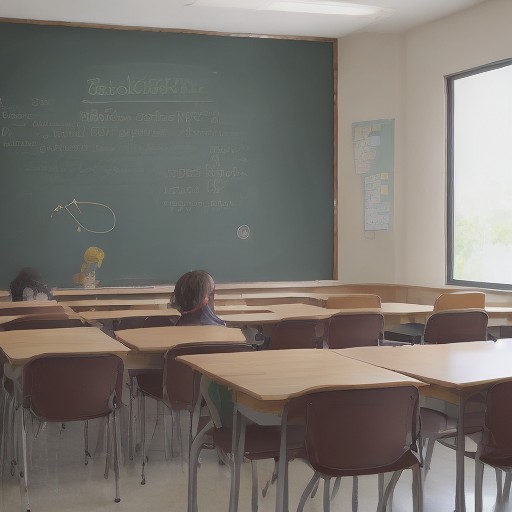
The State of School Education in the U.S.: An Overview
For decades, the American education system has been the pride of the nation, producing some of the world’s most innovative thinkers and leaders. However, a troubling reality is emerging: our schools are facing a myriad of challenges that threaten the very foundation of learning and development. From mediocre academic outcomes to a severe teacher shortage, the landscape of school education in the United States is more complex than ever.
Mediocre Academic Outcomes: A Global Perspective
When it comes to academic achievement, the U.S. finds itself trailing behind many other countries. The Program for International Student Assessment (PISA) tests have consistently shown that American students are not performing at the level one would expect given the resources allocated to education. Despite spending over $13,000 per student annually—more than many other developed nations—the results are disheartening. For instance, reading, math, and science scores have placed the U.S. in the middle tier of countries participating in these assessments, raising questions about how effectively our educational funds are being utilized.
The Teacher Shortage Crisis: A Call to Action
Perhaps one of the most pressing issues plaguing the American education system is the alarming teacher shortage. In the wake of the COVID-19 pandemic, the U.S. is missing over 280,000 public-school teachers compared to pre-pandemic levels. This shortage has led to larger class sizes, increased teacher burnout, and ultimately, a decline in the quality of education. To combat this crisis, some districts are experimenting with alternative solutions such as shifting to a four-day school week, aiming to attract and retain teaching staff. While this approach has shown promise in some regions, it raises concerns about whether reduced instructional time can adequately meet students’ academic needs.
Infrastructure and Health: The Hidden Challenges
Infrastructure issues are another significant hurdle facing U.S. schools. Many educational institutions are grappling with outdated facilities lacking basic amenities such as functioning air conditioning. This can create a hostile learning environment, especially during scorching summer months. Additionally, student health remains a critical concern, with experts advocating for essential services like eye exams and vaccinations to ensure students are physically prepared for the school year. Such health measures are often overlooked but are vital to fostering a conducive learning atmosphere.
Technological Integration: The Double-Edged Sword
As technology continues to advance at a rapid pace, schools are increasingly incorporating artificial intelligence and other digital tools into their curricula. While this technological integration can enhance learning experiences, it also poses challenges for both educators and students. Not all teachers are adequately trained to leverage these new tools effectively, and the digital divide remains a significant issue, with many students lacking access to necessary technology at home. This disparity can exacerbate existing inequalities within the education system.
Financial Pressures: The Burden of Student Debt
The financial implications of education in the U.S. are staggering. With total student loan debt nearing $1.8 trillion, many young adults find themselves grappling with crippling financial burdens that delay major life decisions such as purchasing homes or starting families. This debt crisis not only affects individuals but also has broader implications for the economy as a whole. The struggle for financial independence is a heavy price to pay for pursuing higher education, leading many to question the value of their degrees.
Community and Educational Initiatives: A Ray of Hope
Amidst these daunting challenges, local educational districts are stepping up to implement various initiatives aimed at supporting both students and teachers. Mentoring programs, a renewed focus on STEM fields, and community engagement efforts are just a few examples of how schools are attempting to foster a more inclusive and supportive environment. For instance, Dover Public Schools have taken a commendable step by offering free preschool education for eligible children, promoting early childhood learning and setting the stage for future academic success. Such initiatives demonstrate that, even in the face of adversity, there are pathways to improvement.
Looking Ahead: The Future of American Education
The challenges facing school education in the United States are undeniably complex, but they also present an opportunity for reimagining and reforming the system. As educators, policymakers, and communities come together to address these issues, the potential for transformation is immense. The question remains: Are we willing to invest the time, resources, and creativity necessary to reshape our education system for the better?
Conclusion: A Collective Responsibility
In conclusion, the state of school education in the U.S. is at a critical juncture. With mediocre academic outcomes, a teacher shortage, infrastructural challenges, and financial pressures, it is clear that comprehensive solutions are needed. However, by embracing innovative practices, prioritizing community engagement, and advocating for necessary reforms, we can pave the way for a brighter future. The responsibility to transform our education system lies with all of us—educators, parents, policymakers, and the community at large. Together, we can rise to the challenge and ensure that our schools are places of growth, inclusivity, and excellence.


