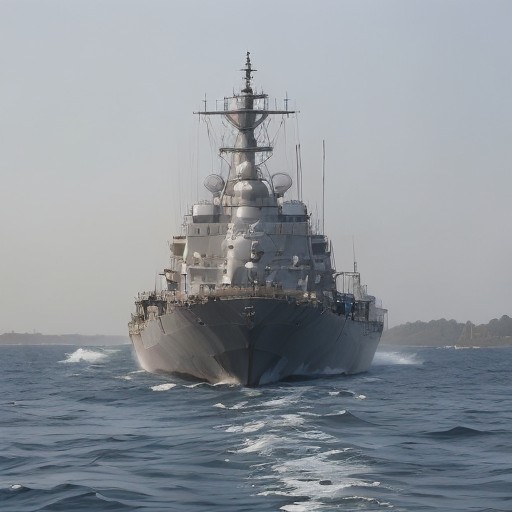
Introduction: The Indian Navy’s Ambitious Journey
The Indian Navy, long considered a formidable force in the Indian Ocean Region, is currently undergoing a transformative phase, marked by unprecedented modernization and strategic initiatives. With a historic budget allocation and active participation in international collaborations, the Navy is poised to strengthen India’s maritime dominance. As of November 2024, the Indian Navy’s advancements are not only impressive but also crucial for the country’s security and geopolitical stance.
Modernization and Unprecedented Budget Allocation
In a landmark decision, the Indian government has allocated a staggering ₹61,000 crore to the Indian Navy, marking the highest capital budget in its history. This financial commitment symbolizes the nation’s resolve to bolster its naval capabilities amidst rising regional tensions and global maritime challenges.
This massive budget enables the Navy to pursue a comprehensive modernization program that includes the acquisition of state-of-the-art vessels, advanced weaponry, and cutting-edge technology. The emphasis on indigenization is also a significant aspect of this modernization drive, with a focus on developing home-grown capabilities to reduce dependence on foreign suppliers.
Strategic Initiatives: Securing the Seas
Among the various strategic initiatives, the Sea Vigil-24 exercise stands out as a pivotal operation aimed at enhancing India’s coastal security. Conducted in collaboration with national and state-level agencies, this exercise showcases a unified approach to safeguarding India’s extensive maritime frontiers. The exercise aims to identify vulnerabilities, improve response mechanisms, and foster cooperation among various stakeholders involved in marine security.
Additionally, the Indian Navy has demonstrated its prowess in dual-aircraft carrier operations. In June of last year, the Navy successfully executed operations involving the INS Vikramaditya and INS Vikrant. This remarkable feat not only underscores the Navy’s operational readiness but also sends a strong signal to adversaries regarding India’s growing maritime capabilities.
Operational Activities: A Multifaceted Approach
As part of its operational activities, the Indian Navy has been actively engaged in submarine operations, including the recent launch of its fourth SSBN (nuclear-powered ballistic missile submarine), codenamed S4*. This addition significantly enhances India’s strategic deterrence and underlines the Navy’s commitment to maintaining a robust underwater fleet.
However, the operational landscape is not without its challenges. Recently, an Indian Navy submarine collided with a fishing vessel off the coast of Yemen, leading to a search operation for two missing crew members. This incident has raised concerns about naval safety protocols and operational clarity, highlighting the complexities of maritime operations in crowded waters.
Combating Narcotics: A Showcase of Vigilance
In a striking operation, the Narcotics Control Bureau (NCB) seized 700 kg of methamphetamine off the coast of Gujarat, apprehending eight crew members involved. The international street value of the confiscated meth is estimated at ₹2-3 crore per kg, emphasizing the critical role the Indian Navy plays in combating illicit drug trafficking. This operation not only showcases the Navy’s commitment to maritime security but also its broader role in safeguarding the nation’s interests beyond traditional defense.
International Cooperation: Strengthening Ties
The Indian Navy is actively forging international alliances, with recent port calls signifying growing defense relations. A notable visit to Oman on October 5 highlights the deepening ties between the two nations. Such collaborations are essential for enhancing maritime security in the Indian Ocean and countering threats from non-state actors.
These engagements reflect a strategic shift towards greater cooperation with regional partners, aiming to foster a collective security framework in the face of emerging challenges. The Indian Navy’s proactive approach in building relationships is vital for addressing common threats and ensuring stability in the region.
Exercise Vajra Prahar: A Joint Effort with the US
In a bid to enhance interoperability and counter-terrorism capabilities, an Indian Army contingent has departed for the 15th edition of Exercise Vajra Prahar with the United States. This joint special forces exercise underscores the growing defense collaboration between the two nations, focusing on advanced tactics and operational strategies.
Such exercises not only improve tactical proficiency but also strengthen the bonds between the armed forces of both countries. The implications of this collaboration extend beyond mere training; they signify a shared commitment to global security and countering terrorism, which is a growing concern in today’s geopolitical landscape.
The Implications of India’s Naval Advancements
The Indian Navy’s modernization and strategic initiatives reflect a broader geopolitical reality, where maritime power is increasingly becoming a determinant of national strength. As India enhances its naval capabilities, it is essential to consider the implications for regional dynamics and global maritime security.
Critics argue that such advancements may provoke neighboring countries, particularly China, which has been expanding its naval presence in the Indian Ocean. The potential for escalating tensions is a concern that warrants careful navigation. On the other hand, proponents contend that a stronger Indian Navy is essential for maintaining the balance of power in the region, asserting India’s role as a responsible maritime power.
Conclusion: A New Era for the Indian Navy
As the Indian Navy embarks on this ambitious journey of modernization and international cooperation, the stakes are high. With a historic budget, strategic exercises, and a commitment to combating illicit activities, the Indian Navy is not just enhancing its operational capabilities but also redefining its role on the global stage.
The coming years will be pivotal in determining how these advancements will shape not only India’s maritime security but also the broader geopolitical landscape. As the Indian Navy continues to evolve, it invites scrutiny, speculation, and, most importantly, support from its citizens. The future of India’s maritime power is unfolding, and it is a story that promises to captivate and engage all who follow it.


