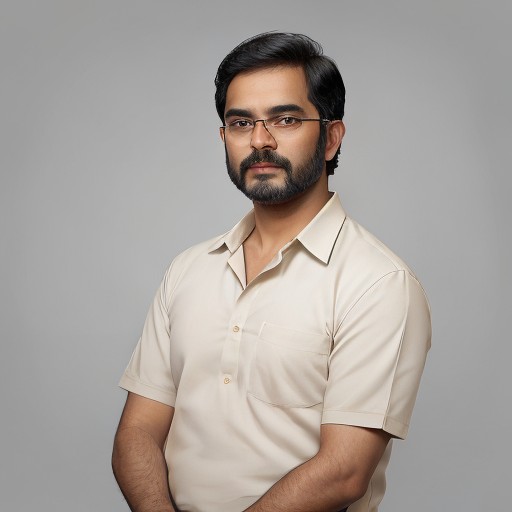
Remembering Nara Ramamurthy Naidu: A Political Icon Passes Away
In a somber moment for Indian politics, Nara Ramamurthy Naidu, aged 72, has passed away, leaving behind a legacy that is both revered and debated. His contributions to the Andhra Pradesh Legislative Assembly from 1994 to 1999 as a representative of the Chandragiri constituency have sparked discussions about his impact on the political landscape of the state and beyond. As the brother of the influential N. Chandrababu Naidu, the leader of the Telugu Desam Party (TDP), Ramamurthy’s life was intertwined with the evolution of regional politics in Andhra Pradesh.
A Political Family with a Complicated Legacy
The Naidu family has long been a fixture in Andhra Pradesh’s political arena. Nara Ramamurthy Naidu’s career, while often overshadowed by his brother, was nonetheless significant. Serving as a member of the legislative assembly, he played a pivotal role during a transformative time for the state. His tenure saw the rise of the TDP as a formidable force, challenging established political norms and introducing progressive policies aimed at economic development.
However, his passing prompts a deeper examination of the dynamics within the Naidu family. N. Chandrababu Naidu, known for his charismatic leadership and ambitious plans for modernization, has often been viewed through a lens of both admiration and skepticism. As Ramamurthy’s brother, he has been both a source of support and, at times, contention. Was their relationship a catalyst for political success, or did it create a shadow of rivalry that influenced their respective careers?
Political Achievements and Controversies
Nara Ramamurthy Naidu’s political journey was not without its controversies. His election to the legislative assembly came during a period of intense political rivalry in Andhra Pradesh. The TDP, under N. Chandrababu Naidu, was known for its aggressive stance against the ruling parties, and Ramamurthy’s role in this dynamic cannot be overlooked.
During his term, Ramamurthy was involved in several legislative initiatives aimed at improving infrastructure and boosting local economies. Yet, not all of his policies were met with enthusiasm. Critics often pointed to the perceived nepotism within the TDP, claiming that family ties played a significant role in political appointments and decisions. This raises an important question: did Ramamurthy’s political clout stem from his capabilities, or was it a byproduct of being part of a prominent political family?
The Impact of His Passing on Andhra Politics
The recent death of Nara Ramamurthy Naidu has sent ripples through the political landscape of Andhra Pradesh. As the state grapples with its ongoing challenges, including economic recovery and political stability, the absence of a figure like Ramamurthy could be felt. His connections and experience might have offered valuable insights into navigating the turbulent waters of regional politics.
Political analysts are already speculating about the implications of his death on the TDP and its future strategies. Will N. Chandrababu Naidu strengthen his position within the party, or will Ramamurthy’s passing create a power vacuum that could lead to internal strife? The TDP’s next steps are crucial as they navigate this loss while attempting to maintain their influence in the state.
Public Reactions and Tributes
The response to Nara Ramamurthy Naidu’s passing has been overwhelmingly poignant. Tributes have poured in from political figures, community leaders, and citizens alike, highlighting his contributions and the impact he had on many lives. Social media platforms have become a space for reflection, with users sharing memories and expressing their condolences.
However, while many have celebrated his achievements, others have raised questions about the TDP’s long-term viability and the role of political dynasties in Indian politics. Is it time for a new generation to step forward, or do family legacies like that of the Naidus still hold significant sway over the electorate? This ongoing debate underscores the complexity of political lineage in India.
Looking Forward: What Lies Ahead for the TDP?
The death of Nara Ramamurthy Naidu serves as a reminder of the transient nature of political life. As the TDP faces an uncertain future, it must grapple with its identity and strategy moving forward. The party has long been associated with the developmental agenda set forth by N. Chandrababu Naidu. However, as younger leaders emerge, the question remains: can the TDP adapt to the changing political climate, or will it remain anchored in its past?
Moreover, as the state approaches upcoming elections, the TDP will have to address the challenges posed by opposition parties eager to capitalize on the situation. Will the party be able to rally its base and honor Ramamurthy’s legacy by continuing to push for policies that resonate with the electorate? Or will infighting and controversy overshadow its efforts?
A Final Reflection: The End of an Era
Nara Ramamurthy Naidu’s passing marks the end of a significant chapter in Andhra Pradesh’s political history. His life, characterized by both achievement and controversy, serves as a poignant reminder of the complexities of political legacies. As discussions continue about his contributions and the future of the TDP, one thing is clear: his influence will be felt in the state’s political discourse for years to come.
The legacy of Ramamurthy Naidu is a tapestry woven with the threads of ambition, familial ties, and the relentless pursuit of political power. As we remember him, we are reminded of the intricate dance of politics, where every figure plays a role in shaping the narrative of a region. The question now lies with the TDP and its leadership: how will they honor that legacy in the face of an ever-evolving political landscape?


