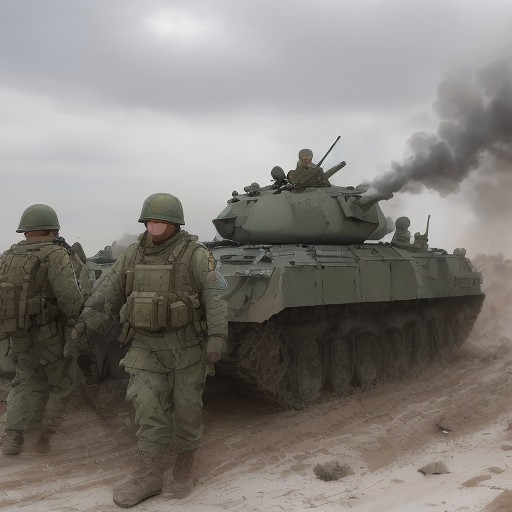
Introduction: A Decade of Conflict
The Russo-Ukrainian War, a conflict that ignited in 2014 with the annexation of Crimea, has spiraled into one of the most devastating conflicts of the 21st century. As we delve deeper into 2024, the war’s human cost has reached staggering proportions, with estimates of nearly 1,000,000 casualties since the onset of hostilities. This article will explore the intricate layers of this ongoing tragedy, focusing on recent developments, casualty statistics, military tactics, and the profound humanitarian impact.
Casualties: The Stark Reality
The initial conflict in 2014 set a grim tone for the years to come. During the annexation of Crimea, six people lost their lives, a mere prelude to the larger tragedy that would unfold. The War in Donbas, which erupted shortly after, claimed the lives of approximately 14,200 to 14,400 military and civilian individuals, reflecting the brutal reality of modern warfare where every statistic represents a shattered family.
Fast forward to mid-September 2024, and the toll has escalated dramatically. Reports indicate that the ongoing Russian invasion has resulted in a staggering 1,000,000 estimated casualties. Conflicting narratives from both Russian and Ukrainian sources complicate the picture, creating a fog of war that obscures the true extent of the devastation. As of July 2024, Russia’s claims suggested that over 700,000 Ukrainian soldiers had been killed or wounded, while leaked US intelligence documents revealed that Russian forces had suffered approximately 110,000 casualties by early 2023. The daily average of Russian military casualties soared to around 1,000 soldiers in August 2024, painting a picture of relentless loss on both sides.
The Intensification of Conflict
The Russo-Ukrainian War has not remained static; it has evolved, with foreign involvement adding layers of complexity to an already volatile situation. North Korean troops have reportedly been sent to Russia to bolster its military efforts in Ukraine, which raises eyebrows and concerns about the implications of such alliances. The participation of foreign fighters complicates the narrative, suggesting a broader geopolitical struggle at play.
Furthermore, military tactics have shifted dramatically. Russia has turned to advanced drone warfare, with Ukrainian air force officials reporting a record 145 drone attacks launched at Ukrainian territory in a single night. This relentless aerial assault has forced Ukraine to adapt and innovate in its defense strategies. The recent easing of restrictions has also allowed Ukraine to deploy Army Tactical Missile Systems (ATACMS) to strike targets deep within Russian territory, marking a significant escalation in the conflict.
Humanitarian Impact: A Crisis Beyond Numbers
While the casualty figures are shocking, the humanitarian impact of the Russo-Ukrainian War extends far beyond mere statistics. The Office of the United Nations High Commissioner for Human Rights (OHCHR) has consistently reported that the number of civilian casualties is significantly higher than the figures that can be officially verified. As the conflict continues, civilians bear the brunt of the violence, with countless families torn apart and communities devastated.
Compounding these tragedies is the staggering decrease in Ukraine’s population, which has shrunk by more than 20% since the onset of the conflict a decade ago. This demographic shift is not just a number; it signifies lost potential, broken lives, and a nation grappling with the long-term consequences of war. The scars left by the conflict will be felt for generations, as surviving families struggle to rebuild in the wake of such profound loss.
The Role of International Communities
The international community has been closely monitoring the situation, expressing deep concern over the humanitarian crisis and the potential for further escalation. Western nations have provided various forms of support to Ukraine, ranging from military aid to humanitarian assistance. However, the effectiveness of these efforts is often hampered by the chaotic nature of the conflict and the complexities of foreign involvement.
As the war rages on, discussions around potential diplomatic solutions and the need for a ceasefire grow increasingly urgent. Yet, the entrenched positions of both Russia and Ukraine, coupled with external influences, render these discussions fraught with challenges. Many wonder if a peaceful resolution is even feasible, given the scale of the devastation and the deep-seated animosities that have surfaced over the years.
Speculations and Future Implications
As we move further into 2024, the implications of the Russo-Ukrainian War extend beyond the immediate battlefield. With the involvement of foreign troops and the use of advanced military technologies, the conflict could set dangerous precedents for future warfare. Analysts speculate that the lessons learned from this conflict may influence military strategies and geopolitical relations worldwide.
Moreover, the humanitarian fallout will have lasting effects on global migration patterns and economic stability in the region. Countries neighboring Ukraine are already feeling the strain as they grapple with an influx of refugees seeking safety and security. This humanitarian crisis could lead to increased tensions within and between nations, as resources are stretched thin and public sentiments fluctuate.
Conclusion: A Call for Awareness and Action
The Russo-Ukrainian War is not just a distant tragedy; it is a poignant reminder of the fragility of peace and the human cost of conflict. With casualties continuing to mount and civilian lives shattered, it is imperative for the global community to remain vigilant and engaged. As we reflect on the past decade of turmoil, we must advocate for solutions that prioritize human rights and humanitarian needs, ensuring that the voices of those affected by this war are heard and addressed.
In a world increasingly interconnected, the implications of the Russo-Ukrainian War resonate far beyond its borders. It is a conflict that demands our attention, our empathy, and our action. Let us not turn a blind eye to the unfolding tragedy, for in doing so, we risk allowing history to repeat itself. The time for awareness and action is now.


