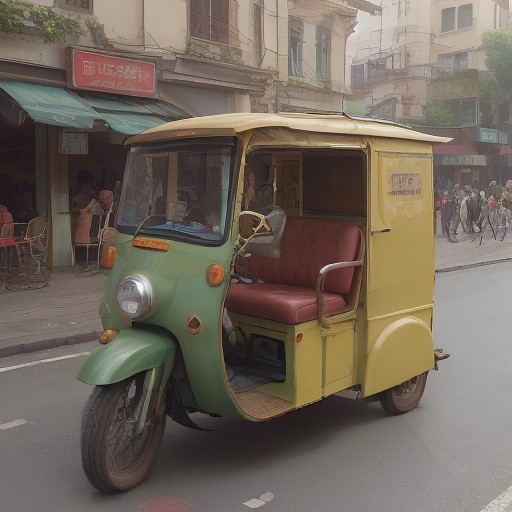
Introduction: The Auto Rickshaw Dilemma
In bustling metropolises like Dhaka and Delhi, the humble auto rickshaw has become both a lifeline and a source of chaos. With their vibrant colors and distinctive three-wheeled designs, these vehicles are a popular choice for local commuters. However, recent events in Dhaka have brought to light the underlying tensions within the auto rickshaw industry, raising questions about regulations, fare disputes, and the future of urban transportation.
Recent Protests in Dhaka: A Catalyst for Change
In a dramatic turn of events, auto rickshaw pullers in Dhaka took to the streets, blocking the major intersection at Shahbagh to voice their frustrations. Their demands were clear: a ban on battery-operated auto rickshaws and immediate action to address their grievances. The protest, while aimed at protecting traditional drivers, resulted in severe congestion, further aggravating the already chaotic traffic situation in the city.
The Fare Dispute: A Fight for Survival
At the heart of the protests lies a contentious fare dispute. Auto rickshaw drivers have accused their battery-operated counterparts of undercutting prices. While the standard fare for a ride is approximately Tk50, many drivers found themselves competing against those charging as little as Tk20. This price war has left traditional drivers struggling to make ends meet, prompting them to rally for regulations that would level the playing field.
Traffic Chaos: The Ripple Effect of Auto Rickshaw Operations
As if the fare dispute wasn’t enough, the presence of auto rickshaws on main roads has led to increased traffic jams and accidents. Traditionally confined to narrow alleys, many auto rickshaws have begun operating on busy thoroughfares, ignoring traffic rules in the process. This shift has not only contributed to congestion but has also created a dangerous environment for both drivers and pedestrians.
Public Transportation Crisis: The Impact on Commuters
With the ongoing protests and the chaotic traffic situation, the impact on public transportation options is undeniable. Commuters in Dhaka are left scrambling for alternatives as auto rickshaws—once a reliable mode of transport—become a source of frustration. The protests have highlighted a significant gap in public transit solutions, begging the question: how will cities like Dhaka adapt to the changing landscape of urban mobility?
The Electric Vehicle Transition: Resistance and Regulation
As cities worldwide push towards sustainability, the transition to electric and hybrid auto rickshaws has sparked a heated debate in Dhaka. The recent protests against battery-operated rickshaws signal a resistance to this change, with traditional drivers fearing they will be pushed out of the market. This conflict raises critical questions about the balance between environmental goals and the livelihoods of those who depend on traditional auto rickshaws.
Regulatory Challenges: A Call for Action
The situation in Dhaka serves as a microcosm for larger issues facing urban transportation systems worldwide. With the rapid rise of new vehicle technologies, regulatory frameworks have struggled to keep pace. The protests have underscored the urgent need for local governments to develop comprehensive policies that address the concerns of all stakeholders, including traditional drivers, electric vehicle operators, and the commuting public.
Potential Solutions: Collaboration and Compromise
Finding a resolution to the ongoing conflict will require collaboration among all parties involved. Potential solutions could include setting fair pricing standards, establishing designated routes for electric and traditional rickshaws, and investing in public transportation infrastructure to alleviate congestion. Dialogue and compromise will be essential in creating a sustainable transportation model that benefits everyone.
Conclusion: The Road Ahead for Auto Rickshaws
As the protests in Dhaka illustrate, the future of auto rickshaws hangs in the balance. While the demand for more sustainable transportation options is growing, the livelihoods of traditional drivers must also be considered. The challenge for cities like Dhaka and Delhi is to navigate this complex landscape while ensuring that urban mobility remains accessible, safe, and efficient for all. The outcome of this struggle could redefine the role of auto rickshaws in urban transport for years to come.
Join the Conversation: What’s Your Take?
As cities grapple with the evolving dynamics of urban mobility, we invite you to share your thoughts. How should local governments balance the interests of traditional auto rickshaw drivers with the push for greener alternatives? What measures do you think could improve traffic conditions and public transportation in cities like Dhaka and Delhi? Your opinion matters! Join the conversation today.


