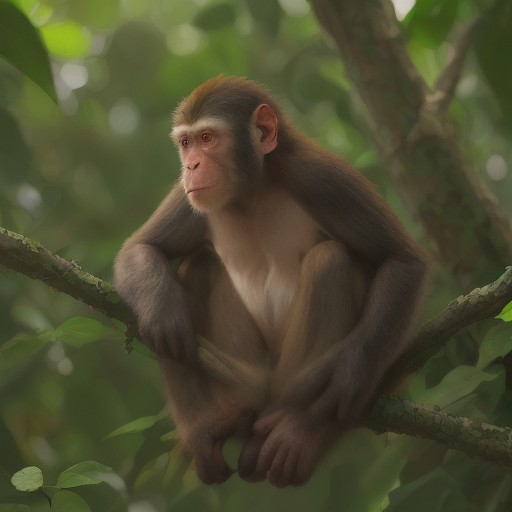
Introduction: The Enigmatic World of Monkeys
Monkeys have long captivated the human imagination, not only due to their playful antics and intriguing social structures but also because of the myriad meanings they hold across different contexts. As we delve into the multifaceted nature of monkeys, we will explore their biological classification, dream interpretations, cultural representations, and symbolic significance. This exploration uncovers not just the essence of these fascinating creatures but also the deeper implications they have in our lives.
Biological Definition: Understanding Monkeys in the Primate Family
In the realm of biology, the term “monkey” refers to a diverse group of primates that fall into two main categories: Old World monkeys and New World monkeys. Old World monkeys, which include species such as macaques and baboons, are primarily found in Africa and Asia. They are characterized by their downward-facing nostrils and non-prehensile tails. In contrast, New World monkeys, such as capuchins and howler monkeys, are native to the Americas and are known for their wide, nostrils and prehensile tails that allow them to grasp branches as they navigate through the treetops.
Interestingly, monkeys are distinct from apes, which include gorillas, chimpanzees, and humans. Despite sharing a common ancestry, monkeys and apes exhibit different physical and behavioral traits. Monkeys tend to be smaller, have longer tails, and generally live in larger social groups, whereas apes are larger, lack tails, and exhibit more complex cognitive abilities.
Dream Interpretation: What Does It Mean to Dream About Monkeys?
Dreams have always been a source of fascination and interpretation, and monkeys often appear in these nocturnal narratives. According to various dream interpretation theories, encountering a monkey in your dreams can symbolize deceit and flattery. It suggests that there may be individuals in your life who are not being entirely honest with you, using charm and cleverness to manipulate situations for their advantage.
On a more ominous note, dreaming about a dead monkey is considered a positive omen by some interpreters. This dream may signify that your worst enemies will soon be removed from your life, allowing you to move forward unencumbered by negativity or betrayal. The juxtaposition of these interpretations raises intriguing questions: Are monkeys merely reflections of our subconscious fears and desires, or do they serve as warnings from our inner selves?
Cultural References: The Monkey in Chinese Astrology
In the realm of cultural symbolism, monkeys hold a prominent place in various traditions, most notably in Chinese astrology. Those born in the year of the Monkey are believed to possess qualities such as intelligence, wit, and a penchant for adventure. Astrologers advise individuals of this sign to approach life with practicality and discernment, leveraging their innate cleverness to navigate challenges.
The energy surrounding those born in the year of the Monkey also encourages travel and new experiences, suggesting that embracing change can lead to personal growth and success. This connection between monkeys and adventure emphasizes the importance of flexibility and adaptability in our ever-evolving world.
Symbolic Representation: Monkeys as Icons of Transformation and Cunning
Beyond their biological and cultural significance, monkeys are often used symbolically in literature and art to represent deeper human traits. They embody transformation, cunning, and a sense of playfulness that can sometimes border on the irrational. In many cultures, monkeys are viewed as tricksters, reflecting the more primal, animalistic tendencies that reside within us all.
This symbolic representation can lead to both admiration and caution. While some may celebrate the monkey’s ability to adapt and thrive in various environments, others may warn against the deceptive nature that can accompany such cunning. This duality raises important questions about how we perceive intelligence and adaptability in both ourselves and others.
Monkeys in the Modern World: Conservation and Ethical Considerations
As we explore the many facets of monkeys, we cannot ignore the pressing issues surrounding their conservation and treatment in the modern world. With habitat destruction, poaching, and the illegal pet trade threatening their existence, many species of monkeys are now classified as endangered. The loss of these animals not only impacts biodiversity but also disrupts the ecosystems they inhabit.
Moreover, the ethical considerations surrounding the treatment of monkeys in captivity and research settings have sparked heated debates. Animal rights advocates argue that it is unjust to exploit these sentient beings for entertainment or scientific purposes, urging society to reevaluate its relationship with our primate cousins. This discussion invites us to reflect on our responsibilities as stewards of the planet and the creatures that share it with us.
Monkeys in Pop Culture: The Good, The Bad, and The Ugly
The representation of monkeys in popular culture is as varied as their biological counterparts. From animated films like “Kung Fu Panda,” which portrays a wise and skilled monkey character, to darker narratives that depict monkeys as mischievous or malevolent, the portrayal of these creatures often influences public perception.
However, the portrayal of monkeys in media can have both positive and negative implications. While some representations can foster empathy and understanding, others may reinforce stereotypes or lead to misconceptions about their behavior and intelligence. It is crucial for creators and consumers alike to recognize the impact of these portrayals on societal attitudes and conservation efforts.
Conclusion: Reflecting on Our Relationship with Monkeys
As we conclude our exploration of monkeys, we are reminded of the intricate connections between biology, culture, and symbolism. From their classification as primates to their roles in our dreams and cultural narratives, monkeys serve as mirrors reflecting our complexities, fears, and aspirations.
Ultimately, the question remains: what can we learn from these remarkable creatures? Whether it’s through understanding their biological characteristics, interpreting their appearances in our dreams, or appreciating their cultural significance, our relationship with monkeys is a profound reminder of the interconnectedness of all living beings. As we navigate our own lives, may we strive to embody the adaptability, cleverness, and playful spirit that monkeys so vividly represent.


