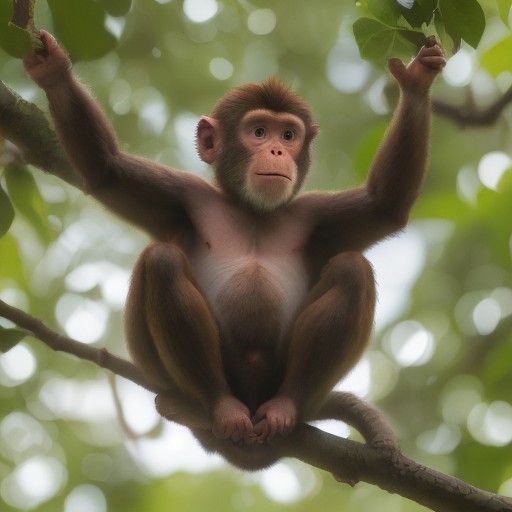
The Fascinating World of Monkeys: More Than Just a Primate
Monkeys—those playful, agile creatures that often evoke laughter and curiosity—represent a rich tapestry of biological, cultural, and psychological significance. While many may think of monkeys as simple entertainers in zoos or icons of mischief in cartoons, a deeper exploration reveals their multifaceted roles in our lives and dreams. In this article, we delve into the biological classification of monkeys, their symbolism in dreams, their cultural significance, and their captivating presence in media.
Biological Classification: Understanding the Primate Family
Biologically speaking, monkeys are a group of primates that belong to the infraorder Simiiformes. This classification encompasses a diverse range of species, including both New World monkeys, like the capuchin and spider monkeys, and Old World monkeys, such as macaques and baboons. What sets monkeys apart from their ape cousins is their unique physical and behavioral characteristics.
One fascinating aspect of monkeys is their ability to walk upright on two legs in certain species, a trait that showcases their evolutionary adaptability. This ability is not only a biological marvel but also a key factor in their survival strategies, allowing them to traverse diverse environments and escape predators.
Recent studies have shown that monkeys exhibit a high degree of intelligence, with some species using tools and developing complex social structures. This intelligence raises questions about human evolution and our relationship with these remarkable creatures. Are we truly that different?
Dream Interpretation: Monkeys as Symbols of Deceit
In the realm of dreams, monkeys take on a new and intriguing role. Often interpreted as symbols of deceitful individuals, monkeys in dreams can represent people who flatter others to advance their own interests. This connection between monkeys and deception may stem from their playful, sometimes mischievous behavior, which can mask ulterior motives.
Interestingly, dreaming of a dead monkey can signify the removal of one’s worst enemies. This interpretation reflects a common theme in dream analysis: the idea that confronting and overcoming deceitful influences leads to liberation and personal growth. As we navigate our waking lives, the monkey’s presence in our dreams serves as a reminder to be vigilant against those who may not have our best interests at heart.
Cultural Significance: The Monkey in Chinese Astrology
Monkeys hold a special place in various cultures, particularly in Chinese astrology. Individuals born in the Year of the Monkey are celebrated for their adaptability, versatility, and sometimes cunning nature. These traits align with the monkey’s reputation for innovation and resourcefulness.
People born under this sign are often seen as adventurous spirits who thrive on new experiences and challenges. They tend to prefer creative solutions over traditional methods, making them excellent problem solvers. This cultural perspective on monkeys highlights their complex character, showcasing both their playful spirit and their strategic mindset.
In a world that often values conformity, the Monkey sign encourages embracing uniqueness and thinking outside the box. This idea resonates with many, especially in today’s rapidly changing society, where adaptability is more critical than ever.
Monkeys in Media: The Curious and Mischievous Icons
Throughout history, monkeys have made their mark in various forms of media, often depicted in human-like settings. From animated films to literature, these creatures symbolize curiosity and mischief. Their playful antics captivate audiences of all ages, allowing them to serve as both entertainment and a mirror to human behavior.
For instance, consider the iconic character of Curious George, the little monkey whose adventures teach valuable life lessons. His insatiable curiosity and knack for getting into trouble resonate with children and adults alike, sparking discussions about the balance between curiosity and caution.
Moreover, the depiction of monkeys in traditional clothing or costumes adds another layer to their imagery, highlighting their appeal in both realistic and fantastical contexts. These portrayals often challenge societal norms, pushing the boundaries of creativity and inviting viewers to question their perceptions.
Controversial Perspectives: The Ethics of Monkey Representation
While monkeys are often celebrated for their charm and intelligence, the portrayal of these creatures in media raises ethical questions. Critics argue that the anthropomorphism of monkeys can diminish their biological significance and contribute to misconceptions about their behavior and needs.
Furthermore, the representation of monkeys in entertainment settings, such as circuses or zoos, sparks debates about animal rights and welfare. Are we exploiting these creatures for our amusement, or are we genuinely appreciating their beauty and complexity?
These discussions are particularly relevant in light of recent trends advocating for the ethical treatment of animals. As society becomes more aware of the implications of our interactions with wildlife, the conversation surrounding monkeys and their portrayal in media continues to evolve.
The Future of Monkeys: Conservation and Awareness
As we reflect on the significance of monkeys in our lives, it is crucial to consider their future. Many monkey species are facing threats from habitat loss, poaching, and climate change, leading to a decline in their populations. Conservation efforts are essential to protect these incredible creatures and their habitats.
Organizations worldwide are working tirelessly to raise awareness about the plight of monkeys and promote conservation initiatives. These efforts not only aim to preserve monkey species but also to educate the public about the importance of biodiversity and the interconnectedness of all life forms.
In addition, the role of monkeys in scientific research cannot be overlooked. As primates that share a significant percentage of DNA with humans, studying their behavior and biology can provide valuable insights into our own evolution and health. However, ethical considerations must guide this research to ensure the welfare of these animals.
Conclusion: Embracing the Complexity of Monkeys
From their biological classification to their cultural significance, monkeys are far more than just playful primates. They embody a rich tapestry of meanings that span across different contexts, inviting us to explore our own perceptions and beliefs. Whether we view them as symbols of deceit in our dreams, celebrate their adaptability in astrology, or critique their representation in media, one thing is clear: monkeys hold a profound place in our collective consciousness.
As we move forward, it is our responsibility to appreciate and protect these remarkable creatures, ensuring that future generations can continue to marvel at their beauty and complexity. In understanding the multifaceted roles of monkeys in our lives, we can foster a deeper connection with nature and promote a culture of conservation and respect.


