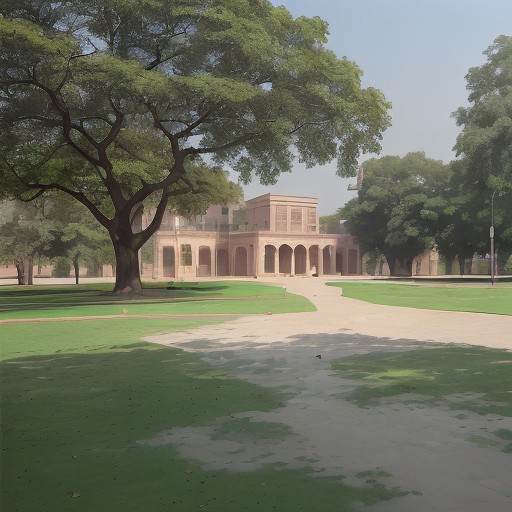
Introduction to Jamia Millia Islamia University
Located in the heart of New Delhi, Jamia Millia Islamia University is not just an educational institution; it is a symbol of resilience, diversity, and a rich cultural heritage that dates back to its establishment in 1920. Initially founded as part of the Aligarh Muslim University, Jamia Millia Islamia has transformed into a central university that stands strong in the face of both academic and societal challenges.
A Brief Historical Background
Jamia Millia Islamia was born out of a vision for an independent educational institution that could promote secular and progressive values. Established in 1920 by the Aligarh Muslim University Act, the university faced a significant turning point in 1925. Amidst controversies regarding its affiliation with AMU, Jamia severed ties and was established as an independent entity. This marked the beginning of its journey as a leading university dedicated to fostering academic excellence and social justice.
Recent Rankings: A Testament to Quality Education
The 2025 Times Higher Education (THE) World University Rankings reveal that Jamia Millia Islamia has made significant strides in the global academic arena, ranking between 501-600. This achievement is noteworthy, considering the fierce competition among universities worldwide. The ranking reflects the university’s commitment to enhancing research capabilities, quality of teaching, and international collaboration.
Academic Offerings: A Diverse Palette
Jamia Millia Islamia is renowned for its diverse academic programs. The university offers a wide range of courses in various fields, including humanities, social sciences, engineering, and natural sciences. With a focus on research and innovation, Jamia encourages students to explore their interests and contribute to their respective fields.
Moreover, the university has made headlines for its extensive research opportunities, enabling students and faculty to engage in groundbreaking projects. This focus on research not only enhances academic learning but also contributes to the development of solutions for real-world challenges.
Controversies and Challenges: A Divided Campus?
Despite its achievements, Jamia Millia Islamia has not been without controversy. Recently, a report surfaced alleging systemic discrimination against Hindu students at the university. The implications of these allegations are profound, as they raise questions about inclusivity and the university’s commitment to fostering a welcoming environment for students of all backgrounds.
Such claims have sparked heated debates among students, faculty, and the wider community. While some argue that the claims highlight a need for reform and greater inclusivity, others believe they may be exaggerated or politically motivated. This controversy serves as a microcosm of the larger societal issues facing India today, where religious and cultural identities often intersect with education.
The Student Experience: A Melting Pot of Cultures
For many students, Jamia Millia Islamia represents a unique opportunity to engage with a diverse community. The multicultural environment fosters understanding and collaboration among students from different backgrounds. However, the recent reports of discrimination have cast a shadow over this reputation, leading to increased scrutiny of the university’s social dynamics.
Students have expressed mixed feelings about their experiences at Jamia. While many appreciate the university’s commitment to academic rigor and cultural diversity, there are growing concerns about whether all students feel equally valued and supported. This raises critical questions about the university’s role in promoting harmony in a time of division.
Looking Ahead: The Path to Inclusivity and Excellence
As Jamia Millia Islamia continues to evolve, the university faces the challenge of addressing these controversies while maintaining its reputation as a center of excellence in education. Leadership at the university must prioritize initiatives aimed at promoting inclusivity and ensuring that all students, regardless of their background, feel welcome and valued.
Furthermore, the university’s administration must engage in transparent dialogue with the student body to address concerns and implement necessary changes. By fostering an environment of trust and respect, Jamia can begin to heal the divisions that have emerged and reaffirm its commitment to being a beacon of hope and progress in higher education.
Conclusion: A Legacy Worth Celebrating
Jamia Millia Islamia University stands at a crossroads, grappling with the complexities of its rich history and the challenges of contemporary society. Its legacy as a progressive institution dedicated to academic excellence is undeniable, but the university must also confront the realities of discrimination and division within its walls.
As it moves forward, Jamia has the opportunity to redefine its narrative, emphasizing the values of inclusivity and collaboration that have long been at its core. By doing so, it can not only enhance its standing in the academic world but also serve as a model for other institutions facing similar challenges.
In a rapidly changing global landscape, the journey of Jamia Millia Islamia is a testament to the power of education to unite and inspire. It is a journey worth watching, as the university continues to shape the future of countless students and the society they inhabit.


