Introduction: The Allure of the Netherlands
When one thinks of the Netherlands, images of vibrant tulip fields, iconic windmills, and intricate canal systems often come to mind. This Northwestern European gem, often informally referred to as Holland, is not just a picturesque destination; it is a country rich in history, culture, and contemporary relevance. With its unique geography and dynamic society, the Netherlands stands as a beacon of innovation and a hub for international discourse. In this article, we will explore the multifaceted aspects of the Netherlands that make it a fascinating subject of discussion today.
Geography: A Land Above and Below Water
The Netherlands is renowned for its distinctive geography. Approximately 40% of the country lies at or below sea level, making it one of the most low-lying countries in the world. This characteristic has led to a sophisticated system of dykes and pumps to manage water levels and protect the land from the North Sea.
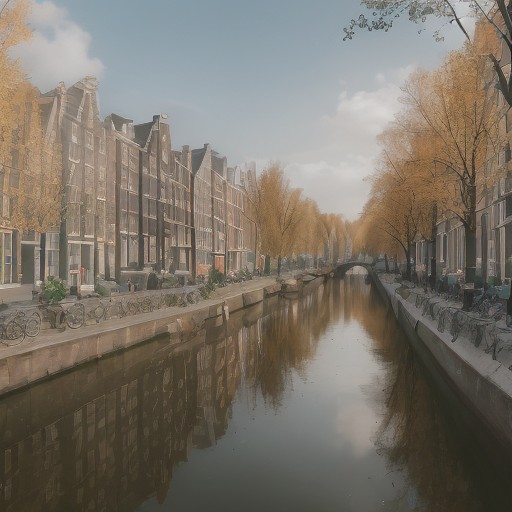
Visitors are often enchanted by the country’s extensive network of canals, which date back to the 17th century and now comprise about 4,000 kilometers of navigable waterways. The capital city, Amsterdam, is particularly famous for its canals, which have earned UNESCO World Heritage status.
Furthermore, the Netherlands is famous for its stunning tulip fields, which bloom every spring and attract millions of tourists. The annual Tulip Festival showcases the country’s floral heritage and brings a splash of color to the landscape, but it also raises questions about sustainability and the impact of tourism on local ecosystems.
Culture: A Rich Tapestry of History and Innovation
The cultural heritage of the Netherlands is deeply intertwined with its history. From the Golden Age of the 17th century, marked by artistic giants like Rembrandt and Vermeer, to the modern-day innovations in technology and social policies, the Netherlands has always been at the forefront of change.
Today, the nation celebrates its diversity through various cultural events. The annual King’s Day celebration, for instance, transforms cities into a sea of orange as locals and tourists alike participate in festivities honoring the royal family. However, recent controversies surrounding the celebration, particularly regarding its colonial past, have sparked debates about national identity and inclusivity.
Furthermore, the Netherlands is home to a vibrant music scene, with genres ranging from electronic dance music to classical orchestras. Its contemporary artists often reflect societal issues through their work, prompting discussions about art’s role in social change.
Sports: A Nation of Competitors
The Dutch take great pride in their sports culture, with a strong emphasis on both team and individual sports. The country has made significant strides in international sports competitions, recently gaining attention for its Women’s T20 Domestic Cricket Team. With an impressive win percentage of 60% in 2015, players like Annemijn Thomson and Babette de Leede have become role models for aspiring athletes. However, the challenges faced by women’s sports in terms of funding and visibility remain a hot topic of discussion.
Rugby is another sport gaining traction, with the Netherlands participating in various international tournaments organized by Rugby Europe. Recent matches against Germany and Romania highlighted not only the skill of the players but also the growing popularity of the sport among Dutch youth.
Tourism: A Double-Edged Sword
The tourism industry in the Netherlands thrives on its rich historical and cultural offerings. Iconic sites such as the Anne Frank House and the Van Gogh Museum attract millions of visitors each year. However, this influx has ignited debates about overtourism and its implications for local communities. Many residents express concerns over the commodification of culture and the strain placed on infrastructure and resources.
In response, the Dutch government has begun to implement measures aimed at promoting sustainable tourism. Initiatives to spread visitors beyond popular hotspots and encourage more responsible travel behaviors are currently in place. Yet, the effectiveness of these strategies remains to be seen, and critics argue that more needs to be done to protect the integrity of local cultures.
Current Affairs: The Netherlands in the Global Arena
As a founding member of the European Union and a key player in international politics, the Netherlands finds itself at the crossroads of critical global issues. The country’s stance on immigration, climate change, and international trade policies has sparked debates both domestically and abroad.
In recent months, the Netherlands has faced increased scrutiny regarding its immigration policies, particularly concerning refugees. While the government emphasizes humanitarian obligations, some factions argue for stricter controls, leading to heated discussions on social cohesion and national security. This tension underscores the delicate balance the Netherlands must maintain between compassion and practicality.
Conclusion: The Netherlands – A Nation of Contrasts and Conversations
The Netherlands is a nation that embodies a unique blend of tradition and modernity. Its breathtaking landscapes, rich cultural heritage, and competitive spirit make it a remarkable country to explore. However, underlying controversies regarding tourism, sports equity, and immigration policies invite ongoing discussions that challenge the very fabric of Dutch society.
As we delve deeper into the complexities of the Netherlands, it becomes clear that this country is not just a travel destination but a microcosm of global issues. The vibrant dialogues surrounding its future are essential for understanding the Netherlands’ role on the world stage. Will it continue to embrace its progressive values, or will it retreat into a more insular approach? Only time will tell, but one thing is certain: the Netherlands will remain a captivating subject of discussion for years to come.


