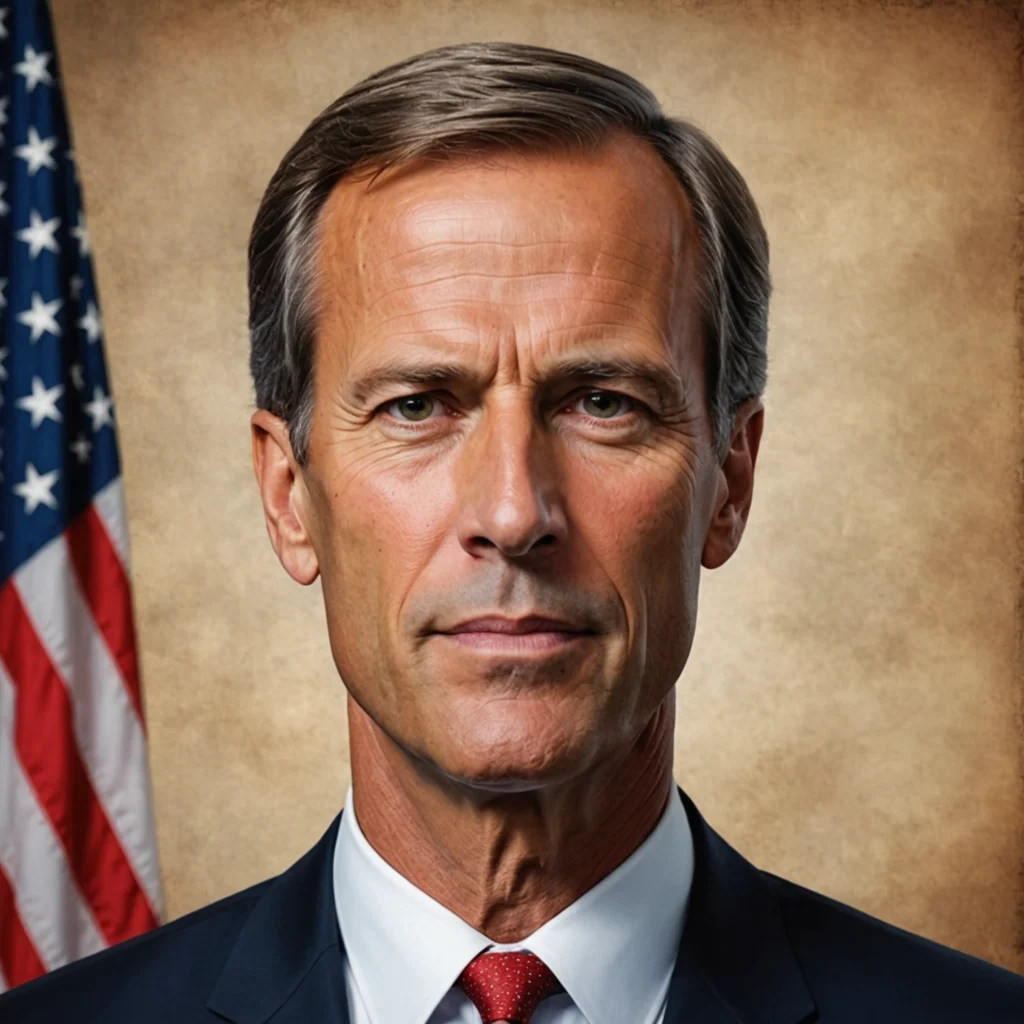
Introduction: A New Era in South Dakota Politics
In the heart of South Dakota, one name has become synonymous with steadfast leadership and strategic political maneuvering: Senator John Thune. Since his election to the United States Senate in 2005, Thune has emerged not only as a prominent figure in South Dakota politics but also as a vital player on the national stage. As whispers of leadership changes echo through the Senate halls, many are left wondering: could Thune be the next Senate Majority Leader?
The Rise of John Thune
John Thune took office on January 20, 2005, succeeding long-time Senator Strom Thurmond. With a background in both the House of Representatives and as a former South Dakota state legislator, Thune brought a wealth of experience to the Senate. As a member of the Republican Party, he quickly became known for his conservative stances on issues ranging from healthcare to fiscal responsibility.
During his tenure, Thune has held several key leadership roles, including serving as the chair of the Senate Republican Conference from 2013 to 2019 and the Majority Whip from 2019 to 2021. These positions have not only amplified his influence but have also positioned him as a potential candidate for the Senate Majority Leader role, especially following recent developments involving current Senate leaders.
Recent Developments: Thune’s Ascending Influence
In a surprising turn of events, Senate Minority Leader Mitch McConnell hinted at stepping aside for Thune, signaling a potential shift in the power dynamics of the Republican Party. This announcement comes amid increasing calls for fresh leadership within the party, reflecting a growing appetite for change among Republican senators and constituents alike. As the GOP grapples with the implications of a changing political landscape, Thune’s name has emerged as a beacon of hope for those seeking stability and direction.
Thune’s Legislative Agenda: A Focus on Critical Issues
Throughout his career, Senator Thune has championed numerous legislative initiatives aimed at bolstering the economy, improving healthcare access, and enhancing national security. He has played a crucial role in crafting significant legislation, including the Tax Cuts and Jobs Act of 2017 and various farm bills that directly impact South Dakota’s agricultural sector.
Thune has also been a vocal advocate for the rural broadband expansion, recognizing the need for technological advancement in underserved areas. His leadership in this space has resonated with constituents who understand the critical role of technology in modern agriculture and education.
Public Perception: The Controversies and Challenges
Despite his accomplishments, Thune has not been without controversy. Critics argue that his close alignment with party leadership and big-money donors compromises his ability to effectively represent the interests of South Dakotans. Additionally, his stance on climate change and environmental regulations has drawn ire from both environmentalists and some constituents who are concerned about the future of South Dakota’s natural resources.
As he eyes a potential elevation to Senate Majority Leader, Thune must navigate these complexities. His ability to balance party loyalty with the diverse needs of his constituents will be put to the test as he seeks to unify a potentially fractured Republican party.
The Implications of Thune as Senate Majority Leader
If Senator Thune ascends to the role of Senate Majority Leader, the implications could be far-reaching. Thune’s leadership style is characterized by a pragmatic approach to governance, which may resonate with moderate Republicans and even some Democrats. His focus on bipartisan solutions could foster collaboration in an increasingly polarized Senate.
However, his elevation could also provoke backlash from more conservative factions within the party who may view Thune as too willing to compromise on key issues. This internal party struggle may shape the legislative landscape in the coming years, influencing everything from budget negotiations to Supreme Court nominations.
Reactions from Colleagues and Constituents
Reactions to the possibility of Thune stepping into a more prominent leadership role have been mixed. Some senators have expressed support, highlighting Thune’s experience and ability to connect with colleagues across the aisle. Senator John Barrasso of Wyoming stated, “John is a proven leader who embodies the values of our party and understands the needs of our constituents.”
Conversely, constituents in South Dakota are voicing their concerns about Thune’s potential shift in focus. Many worry that with increased responsibilities at the national level, he might become less accessible to the people he represents. Thune has assured his supporters that his commitment to South Dakota remains unwavering, but the skepticism lingers.
What Lies Ahead for John Thune
As the political landscape continues to evolve, Senator John Thune stands at a crossroads. With his eyes set on potential leadership in the Senate, he must navigate the complexities of party dynamics while remaining true to the constituents who elected him. If successful, Thune could redefine the role of Senate Majority Leader, leveraging his experience to bridge divides and foster a more collaborative legislative environment.
Conclusion: A Leader for a New Era
Senator John Thune’s journey from the rolling hills of South Dakota to the heights of political leadership is a testament to his resilience and strategic acumen. As he contemplates his future amidst shifting tides within the Republican Party, one thing remains clear: Thune is a force to be reckoned with in American politics.
Whether he ultimately ascends to the role of Senate Majority Leader or continues to serve as a pivotal voice for his state and party, Thune’s impact on the political landscape will undoubtedly be felt for years to come. As the nation watches closely, the next chapter in Thune’s political saga promises to be both exciting and consequential.


