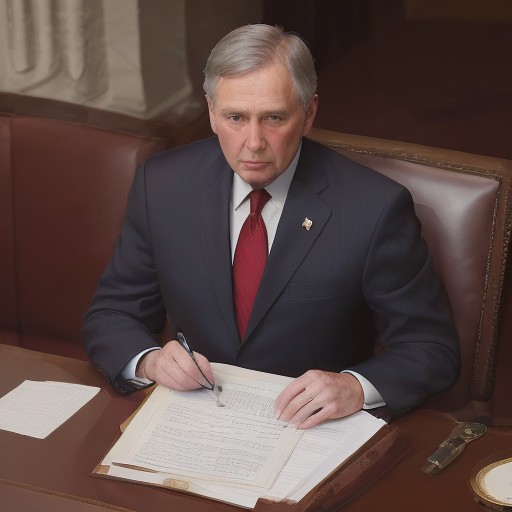
The Unexpected Ascendancy of John Thune
In a stunning political maneuver that has left many analysts buzzing, Senator John Thune has emerged victorious as the new Senate Majority Leader after a dramatic second round of voting. Thune’s rise to this powerful position, following a fierce contest against fellow Republican Senator John Cornyn, marks a pivotal moment in the American political landscape. As the leader of the Senate, Thune is now in a prime position to shape legislation and influence national policy.
The Political Landscape: A Shift in Power
Thune’s election comes at a time of significant uncertainty in the Senate, where partisan divides have deepened, and the stakes have never been higher. With a narrow Republican majority, the implications of Thune’s leadership could reverberate throughout the country. Observers are keenly watching how his strategies will unfold in a chamber that has been characterized by gridlock and fierce ideological battles.
Thune vs. Cornyn: A Battle of Titans
The showdown between Thune and Cornyn was not just a contest of personalities; it represented a clash of visions for the Republican Party’s future. Thune’s supporters champion his ability to bridge divides and foster collaboration, while Cornyn’s camp argued for a more hardline approach. The outcome of this leadership election has sent ripples of speculation through the political community about the direction the Senate will take under Thune’s stewardship.
What Does This Mean for Legislation?
With Thune at the helm, the Senate is poised for a flurry of legislative activity. Observers suggest that his leadership style could lead to a more conciliatory approach in discussions about key issues such as tax reform, healthcare, and infrastructure spending. However, the question looms: will Thune prioritize bipartisanship, or will he lean towards the more aggressive tactics favored by some factions within the party?
Thune’s Stance on Key Issues
As Senate Majority Leader, Thune’s positions on critical issues will be under intense scrutiny. His previous stances on tax policy and healthcare reform indicate a preference for conservative fiscal policies. However, many within the party are pushing for a reevaluation of strategies in light of changing demographics and public opinion. This tension could create a rift within the Republican ranks, complicating Thune’s efforts to unify the party.
The Reaction from the Democratic Party
The Democratic response to Thune’s election has been one of caution mixed with opportunity. Many Democratic leaders believe that Thune’s moderate approach might open doors for bipartisan negotiations. Senate Minority Leader Chuck Schumer has already signaled a willingness to engage with Thune on pressing issues, but skepticism remains. Will Thune hold firm to his principles, or will he be swayed by the more extreme elements of his party?
Potential Implications for Future Elections
Thune’s leadership could have significant implications not just for current legislation but also for the upcoming elections. Analysts speculate that if Thune can successfully navigate the complexities of Senate leadership, he may bolster Republican chances in the 2024 elections. However, any missteps could lead to a backlash, especially if constituents feel that their needs are not being met.
The Media’s Role in Shaping Perception
As Thune steps into this influential role, the media’s portrayal of his leadership will be crucial. Coverage will likely focus on his legislative achievements, his ability to manage party dynamics, and his interactions with the Biden administration. A narrative that frames Thune as a capable leader could enhance his standing within the party, while negative press could undermine his authority.
Public Sentiment: What Do Voters Think?
Public opinion on Thune’s rise is mixed. Some constituents express excitement about a leader who has shown a willingness to collaborate, while others fear that he may not uphold conservative values. Recent polls indicate that Thune’s popularity among Republicans remains strong, but he must tread carefully to maintain that support while addressing the diverse concerns of the electorate.
Conclusion: The Road Ahead
As John Thune settles into his role as Senate Majority Leader, all eyes will be on him. The potential for bipartisan cooperation exists, but it is fraught with challenges. Will Thune rise to the occasion, or will he falter under the weight of conflicting party interests? The political landscape is shifting, and Thune’s leadership could very well determine the trajectory of the Senate and, by extension, the nation.
Only time will tell, but one thing is certain: John Thune’s tenure as Senate Majority Leader is sure to be one of the most closely watched political narratives in America today.


