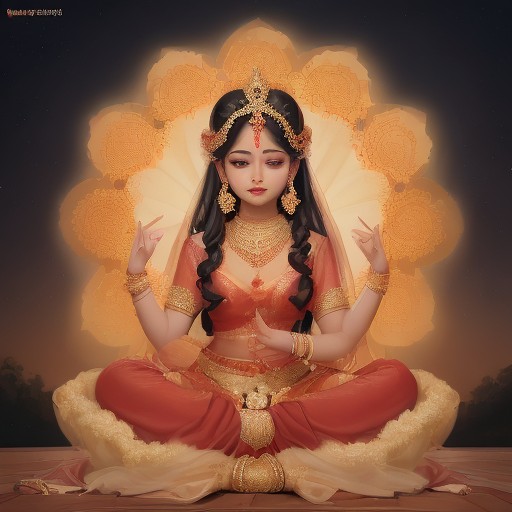
Introduction: What is Tripurari Purnima?
Tripurari Purnima, also known as Triphala Purnima, is a captivating festival celebrated on the full moon day of Kartik in the Hindu calendar. This event holds immense significance for those who follow the Baul tradition in eastern India and Bangladesh, where it is intricately linked to the revered deity, Bala Hanuman.
As the moon reaches its zenith, devotees come together in a vibrant atmosphere filled with devotion, rituals, and introspection. But what exactly makes this day so special? Is it merely a religious observance, or does it carry deeper implications for spiritual seekers?
The Cultural Tapestry of Tripurari Purnima
Celebrated with fervor, Tripurari Purnima is not just a festival; it’s a cultural phenomenon that encapsulates the essence of spirituality in eastern India. Devotees often engage in fasting, chanting mantras, and performing puja, which are believed to purify the soul and bring one closer to divine consciousness.
The day is also marked by a sense of community, as people gather to share their experiences and insights. This collective energy amplifies the spiritual vibrations of the day, making it a truly transformative experience.
Spiritual Significance: More Than Just Rituals
At its core, Tripurari Purnima is a day for introspection and self-reflection. Similar to other festivals emphasizing a spiritual path, it encourages devotees to look within and assess their spiritual journey. It raises questions about the nature of devotion and the true essence of worship. Are rituals just a means to an end, or do they hold intrinsic value?
During this time, many practitioners of the Baul tradition ponder over their connection to the divine and the teachings of their spiritual leaders. The emphasis on Bala Hanuman speaks volumes about resilience and devotion, serving as a source of inspiration for many.
Observing the Day: Traditions and Practices
On Tripurari Purnima, fasting is a common practice among devotees. Some may opt for a complete fast, while others may choose a partial fast, consuming fruits and herbal teas. This act of self-denial is believed to purify the body and mind, paving the way for spiritual awakening.
Chanting mantras dedicated to Hanuman is another integral part of the celebrations. These mantras are potent tools for focusing the mind and elevating spiritual energies. Puja rituals often involve offerings of flowers, sweets, and fruits, symbolizing gratitude and devotion.
The Debate: A Festival of Spirituality or Commercialization?
As with many traditional festivals, Tripurari Purnima faces its share of controversy. Critics argue that the essence of the day is being overshadowed by commercialization. With shops selling decorative items, fast-food stalls popping up, and social media influencers promoting extravagant celebrations, the original spiritual intent seems to be fading.
This raises a pertinent question: Is Tripurari Purnima evolving into just another commercial holiday, or can it coexist with its spiritual roots? As more people engage with the festival for social reasons rather than spiritual ones, discussions about its future intensify.
Recent Trends: The Rise of Online Celebrations
Interestingly, the COVID-19 pandemic catalyzed a shift in how festivals are celebrated. With physical gatherings restricted, many devotees turned to online platforms to observe Tripurari Purnima. Virtual pujas and mantra chanting sessions became popular, allowing people to connect from the safety of their homes.
This trend poses another layer of complexity: Can spirituality thrive in the digital realm? Some argue that online celebrations dilute the essence of communal worship, while others see it as an opportunity for greater inclusivity.
Global Perspectives: Tripurari Purnima Beyond Borders
While predominantly celebrated in eastern India and Bangladesh, Tripurari Purnima is gaining recognition in other parts of the world. The global Hindu diaspora is increasingly observing this festival, bringing their unique flavors to the celebrations.
In places like the United States and Europe, communities are organizing events that highlight the cultural significance of Tripurari Purnima. This global embrace raises questions about cultural appropriation and the preservation of traditions.
Conclusion: A Day of Reflection and Rebirth
Tripurari Purnima stands at the intersection of tradition and modernity. As it evolves, it invites us to reflect on our spiritual journeys, the essence of our rituals, and the balance between cultural heritage and contemporary influences. Will this festival continue to inspire introspection and spiritual growth, or will it succumb to the pressures of commercialization and modern distractions? Only time will tell.
As we approach this year’s Tripurari Purnima, let us embrace the opportunity for self-discovery and communal harmony. Whether through fasting, chanting, or simply reflecting on our lives, this festival serves as a reminder of the rich tapestry of spirituality that binds us all.


