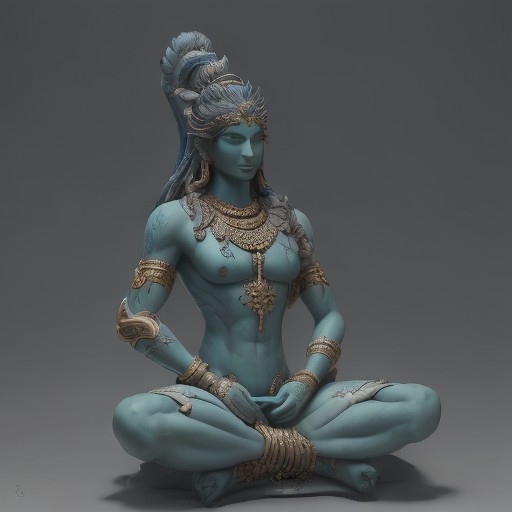
Introduction: The Divine Enigma of Lord Shiva
In the vast tapestry of Hindu spirituality, few figures command as much reverence and intrigue as Lord Shiva. Known by myriad titles such as Mahadeva (the Great God), the Lord of Destruction, and Pashupati (Lord of Animals), Shiva embodies a complex interplay of creation, destruction, and transformation. Worshipped across India, Nepal, Bangladesh, Sri Lanka, and as far afield as Indonesia’s Java and Bali, his influence is both profound and universal. As we delve into the multifaceted world of Lord Shiva, we explore his attributes, worship practices, and the cultural significance that has captivated millions.
Shiva’s Iconography: The Symbol of Duality
Shiva is often depicted in a challenging naked pose, exuding an aura of both strength and asceticism. He rides the sacred bull, Nandi, symbolizing devotion and the power of nature. A striking feature of Shiva’s iconography is the Necklace of Beads (Rudraksha) he adorns, each bead representing a sacred syllable or a divine aspect. Flowing from his matted locks is the River Ganges (Ganga), a symbol of purity and renewal, cascading through the heavens into the earthly realm. This imagery not only captivates the eye but also serves as a reminder of the interconnectedness of all life.
Worship Practices: Connecting with the Divine
The worship of Lord Shiva is deeply rooted in tradition, with rituals designed to forge a personal connection with the divine. One of the most powerful practices is Abhishekam, which involves anointing the Shiva Lingam with Ganga Jal mixed with Bilva leaves. This ritual is believed to purify the devotee and invoke Shiva’s blessings.
During the auspicious month of Karthika, devotees engage in fasting and specific rituals, culminating in elaborate abhishekams and offerings of fruits. These acts of devotion not only reflect deep faith but also a profound cultural heritage that has been passed down through generations.
Festivals of Devotion: A Celebration of Faith
Festivals dedicated to Lord Shiva, such as Maha Shivaratri and Kaalashtami, are vibrant occasions that see millions of devotees participating in night-long vigils and prayers. Maha Shivaratri, celebrated with great fervor, marks the convergence of Shiva and Shakti, the divine feminine. Devotees believe that observing fasts and performing rituals during this night can lead to spiritual awakening and liberation.
During Kaalashtami, rituals are performed to seek Shiva’s blessings, particularly to overcome life’s challenges. This day is marked by specific offerings and prayers, demonstrating the enduring faith that his followers hold.
Temples and Sacred Sites: Pilgrimage to the Divine
Across India and beyond, temples dedicated to Lord Shiva stand as magnificent testaments to his enduring legacy. The Achaleshwar Temple, home to the miraculous Shiva Lingam, is famed for its ability to change colors three times a day. Such phenomena draw pilgrims from far and wide, eager to witness the divine play of colors in worship.
Other notable temples include the Kedarnath Temple in the Himalayas and the Somnath Temple on the western coast, each rich in history and spiritual significance. These sacred sites not only serve as places of worship but also as cultural hubs, fostering community and tradition.
Cultural Significance: The Transformative Power of Shiva
Beyond his role in mythology, Lord Shiva serves as a symbol of transformation and spiritual guidance. In Hindu philosophy, he is often seen as the Destroyer and the Transformer, paving the way for regeneration and renewal. His forms, such as Kala Bhairava and Nataraja, embody various aspects of existence, from the fearsome to the joyous.
Shiva’s influence permeates art, literature, and dance, reflecting the essence of life’s dualities. His stories, filled with profound lessons, continue to inspire countless works of creativity and expression, reminding worshippers of the cyclical nature of life, death, and rebirth.
Modern-Day Relevance: A Deity for All Generations
In an era characterized by rapid change and uncertainty, the teachings of Lord Shiva resonate deeply with contemporary society. Many find solace in his representation of balance amidst chaos, embodying the idea that destruction is often necessary for new beginnings. This message is particularly pertinent today, as we navigate global challenges and personal struggles.
The rise of social media has also brought about a renewed interest in Shiva, with countless platforms showcasing art, poetry, and discussions surrounding his teachings. This digital renaissance allows for a more profound exploration of spirituality, engaging younger generations in ways that traditional forms of worship may not.
Controversies and Discussions: The Modern Interpretations
While Shiva remains a revered figure, modern interpretations often spark debate. Some question the traditional depictions of Shiva, advocating for a more gender-neutral approach that resonates with contemporary values. Others argue that such reinterpretations risk diluting the rich cultural heritage associated with Shiva worship.
This discourse highlights the dynamic relationship between tradition and modernity, raising questions about the future of religious practices. As new generations engage with these age-old stories, the challenge remains to honor the past while embracing the future.
Conclusion: The Eternal Dance of Creation and Destruction
Lord Shiva stands as a testament to the complexities of life, embodying the eternal dance of creation, preservation, and destruction. Through worship, festivals, and cultural expressions, he continues to inspire and guide countless devotees, transcending geographical and temporal boundaries. As we reflect on his significance, we are reminded that in the chaos of life, there exists a profound order—one that Shiva personifies in his many forms.
In a world that is ever-changing, the teachings and practices surrounding Lord Shiva offer a beacon of hope and resilience, encouraging individuals to seek balance amidst the turmoil. Whether through ritual, art, or discussion, the legacy of Shiva endures, guiding humanity towards a deeper understanding of existence.


