
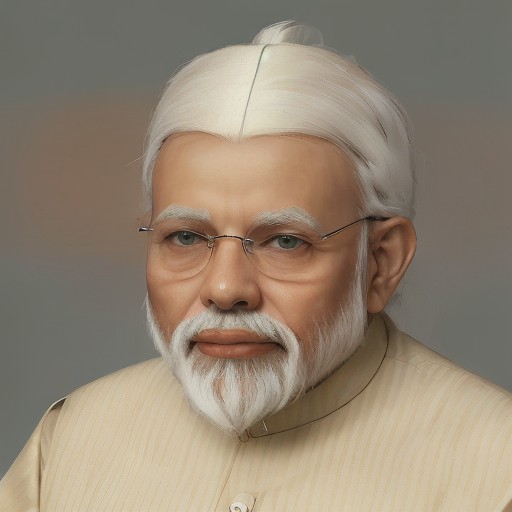
Introduction: A Momentous Occasion
In a significant diplomatic maneuver, Prime Minister Narendra Modi recently embarked on his first official visit to Nigeria as part of a three-nation tour, marking a historic moment in India-Nigeria relations. This visit comes 17 years after the last Indian Prime Minister set foot in the African nation, underscoring the importance of rekindling ties between two of the world’s largest democracies. As Modi explores new avenues for collaboration, the implications of this visit extend far beyond mere diplomacy, potentially reshaping the geopolitical landscape of both nations.
A Ceremonial Welcome: The Key to Abuja
Upon his arrival at the presidential villa in Abuja, PM Modi was accorded a grand ceremonial welcome, an event that symbolized not only the hospitality of the Nigerian people but also the deepening trust between the two nations. In a remarkable gesture, he received the ‘Key to the City’ of Abuja, a prestigious honor that reflects the respect and admiration he commands in Nigeria. This warm reception set the tone for what would be a series of vital discussions aimed at strengthening bilateral ties.
Strengthening Bilateral Ties: Meetings with President Bola Ahmed Tinubu
During his visit, Modi engaged in extensive talks with Nigerian President Bola Ahmed Tinubu, focusing on critical sectors such as defence, trade, energy, and agriculture. The discussions were not merely ceremonial; both leaders emphasized the necessity of collaboration in addressing pressing global challenges, including terrorism, piracy, and radicalization. The commitment to jointly combat these issues signifies a pivotal shift in how India and Nigeria view their roles on the international stage.
The implications of these discussions could be far-reaching. A strengthened partnership in defence could potentially lead to enhanced security measures in both nations, particularly in the face of increasing threats from extremist groups. Furthermore, the focus on trade and energy could pave the way for lucrative investments, benefiting both economies and creating job opportunities.
A Grand Honor: Modi Receives Nigeria’s Second-Highest Civilian Award
One of the highlights of Modi’s visit was the bestowal of the Grand Commander of the Order of the Niger (GCON), Nigeria’s second-highest civilian honor. This prestigious award, which is also the highest given to a foreign citizen, reflects not only Modi’s personal diplomacy but also the growing esteem in which India is held in Nigeria. Such recognition serves to enhance Modi’s stature on the world stage, but it also raises questions about the nature of international awards and their implications for foreign policy.
Cultural Celebrations: A Vibrant Display of Unity
In a heartwarming display of cultural exchange, the Indian diaspora in Nigeria showcased a series of vibrant performances, including the traditional Garba. This celebration of Indian culture not only fostered goodwill but also highlighted the deep-rooted connections between the two nations. Such cultural interactions are vital in bridging gaps and fostering mutual understanding, particularly in a world that often seems divided.
Looking Ahead: The Next Destinations
After wrapping up his engagements in Nigeria, PM Modi is set to travel to Brazil for the G20 Summit and subsequently to Guyana. This three-nation tour underscores India’s growing influence on the global stage and its commitment to strengthening ties with emerging economies. However, the question remains: how will these diplomatic endeavors translate into tangible benefits for the Indian populace and the broader African community?
The Potential Backlash: Controversies and Speculations
While Modi’s visit has been met with enthusiasm, it is not without its controversies. Critics may argue that the focus on strengthening ties with Nigeria comes at a time when India is facing its own set of challenges, including economic instability and social unrest. Furthermore, the implications of deepening military and trade ties with Nigeria could provoke unease among regional powers and raise questions about India’s strategic interests in Africa.
Additionally, the emphasis on counter-terrorism may lead to increased scrutiny of Nigeria’s internal policies, particularly regarding human rights. The balance between security cooperation and the promotion of democratic values is a delicate one, and how Modi navigates this landscape will be crucial in shaping the future of India-Nigeria relations.
Conclusion: A New Chapter in India-Nigeria Relations
As PM Modi embarks on a new chapter in India-Nigeria relations, the outcomes of this visit may have lasting implications for both nations. The strengthened ties in defence, trade, energy, and agriculture could lead to unprecedented collaboration, benefiting millions. However, as with any significant diplomatic engagement, the potential challenges and controversies must also be addressed to ensure a balanced and fruitful partnership.
As the world watches, Modi’s visit to Nigeria serves as a reminder of the ever-evolving dynamics of international relations and the importance of forging strong alliances in an increasingly interconnected world. What remains to be seen is how these discussions will translate into action and whether the dreams of a prosperous India and Nigeria can indeed become a reality.


