
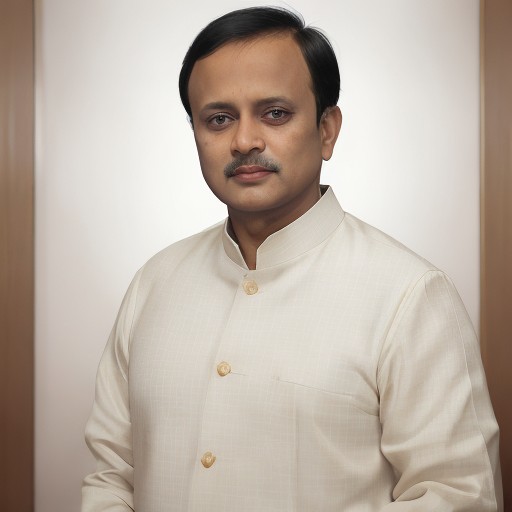
Ajit Pawar: The Unyielding Force in Maharashtra Politics
In the recent Maharashtra state assembly elections, Ajit Pawar, the Deputy Chief Minister and leader of the Nationalist Congress Party (NCP), has made headlines with a commanding victory that reverberates across the political landscape. His triumph in Baramati, defeating his own nephew, Yugendra Shrinivas Pawar, by a staggering margin of approximately 50,000 votes, is more than just a personal win; it symbolizes a significant shift in power dynamics within the region.
Baramati: A Family Feud Turned Political Battle
The contest in Baramati was not merely a political race; it was a family feud that captured the attention of the electorate and political analysts alike. Ajit Pawar’s victory over his nephew, who represents the faction led by the legendary Sharad Pawar, signifies a deepening divide within the NCP. This clash of family loyalty versus political ambition has left many questioning the future of the party and its leadership.
NCP’s Impressive Performance: A Game Changer for Maharashtra
Under Ajit Pawar’s leadership, the NCP has outshone expectations, leading in a remarkable 36 constituencies with a strike rate of 61%. This impressive performance has not only bolstered the NCP’s position but has also played a vital role in the overall success of the Mahayuti alliance, which comprises the BJP, Shiv Sena, and NCP. Their collaborative victory has raised eyebrows and sparked conversations regarding the sustainability of such alliances in the future.
The Power of Pink: A Strategic Campaign Move
Ajit Pawar’s campaign strategy has been nothing short of innovative. Embracing the color pink, symbolizing feminine energy, he aimed to enhance his party’s outreach to women voters—a demographic that has historically played a crucial role in electoral outcomes. This strategic move not only reflects a modern approach to campaigning but also underscores the importance of inclusivity in Maharashtra’s political framework.
Mahayuti Alliance: A Coalition of Strength
The Mahayuti alliance’s victory in the elections is significant, especially in regions like Marathwada, where they secured 37 out of 46 seats. This coalition has proven effective in unifying diverse voter bases, showcasing the importance of collaborative politics in today’s fragmented landscape. However, the question remains: can this alliance maintain its momentum, or will internal conflicts and differing agendas lead to its eventual downfall?
Electoral Context: The Rise of the OBC Vote
The election results have highlighted a notable consolidation of the OBC vote, which has been crucial for Ajit Pawar and his party. The success of outreach programs like the Ladki Bahin Yojana and Bhavantar Bharpayee Yojana, aimed at addressing the grievances of soybean and cotton farmers, reflects a keen awareness of the electorate’s needs. These initiatives have pacified anger and garnered significant support, raising questions about the effectiveness of traditional campaigning methods in favor of more direct engagement.
Urban vs Rural: A Battle of Dominance
While the BJP has made considerable inroads in urban areas like Pune—dominating with 15 out of 17 seats—Ajit Pawar’s NCP has managed to maintain a stronghold in both urban and rural sectors within Pune district. This dual presence indicates a shift in voter behavior and a re-evaluation of what constitutes effective political representation in Maharashtra. The implications of this trend could lead to a more nuanced understanding of regional politics, blending traditional strongholds with emerging urban dynamics.
Reactions and Speculations: What Lies Ahead for Ajit Pawar?
As Ajit Pawar takes the reins following this decisive victory, reactions from both supporters and opponents are pouring in. Supporters hail his innovative campaign strategies and his ability to connect with the electorate, while critics question the sustainability of his leadership amidst family rifts and factionalism within the NCP. What does this mean for Maharashtra’s political future? Will Ajit Pawar emerge as a unifying figure, or will internal divisions create a rift that could ultimately undermine his power?
The Bigger Picture: Maharashtra’s Political Landscape
The recent elections have not only solidified Ajit Pawar’s position but have also painted a broader picture of the political landscape in Maharashtra. As the Mahayuti alliance celebrates its victory, the implications for governance, policy-making, and the direction of state politics are vast. Will the alliance manage to deliver on its promises, or will the challenges of coalition politics lead to disillusionment among voters?
Final Thoughts: A New Era or a Temporary Triumph?
Ajit Pawar’s victory in the Maharashtra assembly elections marks a pivotal moment in the state’s political narrative. As he embarks on this new chapter, the eyes of the electorate remain fixed on his every move. The political arena is rife with speculation, and the true test of his leadership will be how effectively he can navigate the complexities of coalition governance while addressing the needs and aspirations of a diverse population. Will this be the dawn of a new era for Maharashtra politics, or merely a fleeting victory in an ever-evolving political landscape? Only time will tell.


