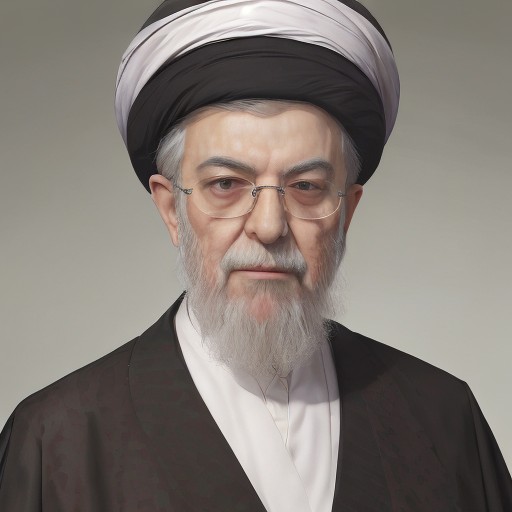
Introduction: The Enigmatic Supreme Leader
Seyyed Ali Hosseini Khamenei, the Supreme Leader of Iran since 1989, remains a pivotal figure in the geopolitical landscape of the Middle East. As a prominent authority in Twelver Shia Islam, Khamenei’s leadership has been marked by a blend of religious conviction and political strategy. However, recent rumors surrounding his health have thrown Iran into a whirlwind of speculation, raising questions about the future of the nation and its influence on global affairs.
The Health Controversy: Fact or Fiction?
In the past few months, the Iranian media landscape has been buzzing with reports suggesting that Khamenei might be in a coma. Such claims are sensational, given his critical role in Iran’s governance. His office, however, has vociferously denied these rumors, even going so far as to release a photo of Khamenei meeting an envoy, a clear attempt to reassure the public and quell the swirling speculation.
But why does Khamenei’s health matter so much? The Supreme Leader is not just a religious figure; he is the linchpin of Iran’s political framework. His potential incapacitation could lead to a power vacuum, igniting a struggle for succession within Iran’s complex political apparatus. This uncertainty could have dire implications for both domestic stability and international relations.
Iran’s Stance on Hezbollah: A Show of Strength
Adding fuel to the fire of speculation about Khamenei’s health is his unwavering support for Hezbollah. Recently, Khamenei referred to the militant group as a “winner,” asserting that it is an organization that cannot be defeated by Israel. This declaration not only underscores Iran’s strategic alliances but also positions Hezbollah as a key player in Iran’s regional ambitions.
By openly supporting Hezbollah, Khamenei is sending a message to both allies and adversaries: Iran remains a formidable force in Middle Eastern geopolitics, even amidst internal challenges. The implications of this support extend beyond the borders of Iran, impacting relations with Israel and the United States, and influencing the dynamics of power in Lebanon and Syria.
U.S.-Iran Relations: The Tension Continues
The relationship between Iran and the United States has been fraught with tension for decades. Recently, reports surfaced that Iran provided written assurances it was not actively plotting to assassinate U.S. leaders, including President-elect Donald Trump. This surprising development raises eyebrows and questions about the sincerity of Iran’s intentions.
Such assurances might be seen as a strategic maneuver by Khamenei to ease tensions and prevent further escalation. However, skepticism remains rampant in Washington and among U.S. allies, as trust has long been a scarce commodity in U.S.-Iran relations. With Khamenei at the helm, the question remains: can diplomacy prevail, or are we on the brink of a deeper conflict?
Gas Exports Halted: The Ripple Effect on Iraq
In yet another development, Iran has temporarily halted gas exports to Iraq, resulting in power shortages across Baghdad and other central and southern regions. This move has sparked outrage and frustration among Iraqi citizens, many of whom rely on Iranian gas for their energy needs. The decision underscores the fragility of Iran’s economy, which is heavily impacted by sanctions and internal pressures.
The implications of this halt extend beyond energy shortages. It could exacerbate existing tensions within Iraq, where factions may blame one another for the crisis. Moreover, it raises questions about Iran’s ability to maintain its influence in Iraq, especially as the nation grapples with its own political challenges.
The Future of Iran: Speculations and Concerns
As rumors about Khamenei’s health continue to circulate, the future of Iran remains uncertain. Should the Supreme Leader’s condition deteriorate, it could lead to a seismic shift in Iran’s political landscape. Potential successors, each with their own vision and alliances, could steer the country in unforeseen directions.
Moreover, the interplay of Khamenei’s health, Iran’s regional ambitions, and its relationships with global powers will be critical in shaping the Middle East’s future. The ongoing tensions with the United States, coupled with Iran’s support for groups like Hezbollah, suggest that any shift in leadership could have far-reaching consequences.
Conclusion: The World Watches and Waits
In a world that is increasingly interconnected, the stakes have never been higher. The rumors surrounding Ali Khamenei’s health are not just gossip; they reflect the intricate web of power, politics, and religious ideology that defines Iran and its role on the world stage. As the situation unfolds, the international community is left to ponder the implications of a potential leadership change in Iran and what it might mean for global peace and security.
As we await further developments, one thing is clear: Khamenei’s influence, whether from a position of health or frailty, will continue to shape the narrative of not just Iran, but the entire region. The world watches and waits, holding its breath for what comes next in this unfolding drama.


