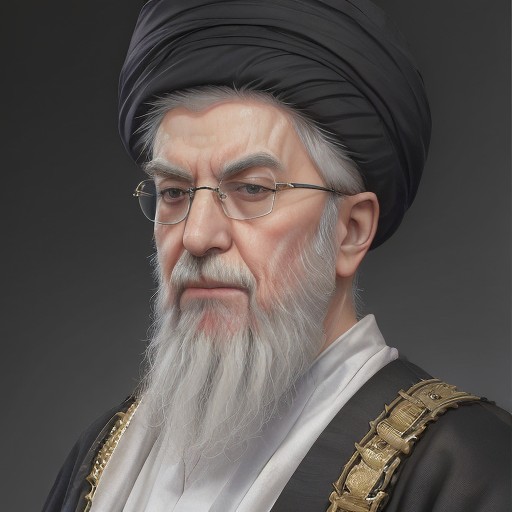
The Unshakeable Leader: Ayatollah Ali Khamenei’s Recent Moves
In a world where political landscapes shift like sand, Ayatollah Seyyed Ali Khamenei, the Supreme Leader of Iran, remains an unyielding force. Recently, his statements and actions have sent shockwaves across the Middle East and beyond, reaffirming his position as a key player in global politics. As tensions escalate between Iran and Israel, Khamenei’s fiery rhetoric and calls for action have garnered both support and criticism.
Calls for Prosecution: Israeli Officials in the Crosshairs
On social media platform X, Khamenei launched a scathing attack, branding Israeli officials as a “criminal Zionist terrorist gang.” This bold declaration came in the wake of the International Criminal Court (ICC) issuing arrest warrants for Israeli Prime Minister Benjamin Netanyahu and former war minister Yoav Gallant. They are accused of employing starvation as a method of warfare and targeting civilians in Gaza, actions that have drawn international condemnation.
Khamenei’s call for the prosecution of Israeli officials has reignited discussions about accountability and justice in the ongoing Israel-Palestine conflict. His statements reflect a broader sentiment among Iranian leaders, who view Israel’s military actions as not just a regional threat but a direct assault on humanity. This provocative stance invites scrutiny and raises questions about the future of diplomatic relations and potential legal repercussions for those accused.
A Promise of Retaliation: Iran’s Stance on the Israel-Hamas Conflict
The Israel-Hamas conflict has reached a boiling point, and Khamenei has made it clear that Iran will not stand idly by. In a recent post on X, he asserted that Israel and the United States will “definitely get a crushing response” for their actions against Iran and the Resistance Front. His declaration serves as a warning, underscoring Iran’s readiness to defend its sovereignty and support its allies in the region.
The implications of Khamenei’s statements are profound. They signal a potential escalation in hostilities, as Iran positions itself as a defender of Palestinian rights and a staunch opponent of Western influence in the Middle East. This rhetoric not only galvanizes support within Iran but also resonates with various factions across the region who oppose Israeli actions.
Political Shifts: The Rise of Reformist Candidates
While Khamenei’s influence looms large over Iranian politics, the recent presidential election results have introduced a new dynamic. Reformist candidate Masoud Pezeshkian emerged victorious in the runoff election, promising to ease enforcement of the country’s mandatory headscarf law and foster relations with the West. This surprising turn of events illustrates a shifting political landscape within Iran, contrasting with Khamenei’s hardline stance.
Pezeshkian’s victory raises intriguing questions about the future of governance in Iran. Will his administration challenge Khamenei’s authority, or will it operate within the confines of the Supreme Leader’s overarching influence? As the new president seeks to implement reforms, the tension between reformists and conservatives could reshape the political narrative in Iran and influence its foreign policy direction.
The Global Reaction: Allies and Adversaries Respond
Khamenei’s recent statements have elicited a range of reactions from both allies and adversaries. Supporters of Iran’s stance view Khamenei as a champion of anti-imperialist sentiment, applauding his calls for justice against Israeli officials. Conversely, Western nations and their allies express concern over Iran’s aggressive rhetoric and the potential for further conflict.
As countries analyze Khamenei’s provocations, discussions surrounding sanctions, military interventions, and diplomatic negotiations have intensified. The United States, in particular, views Iran’s actions as a direct challenge to its interests in the region, prompting speculation about how it might respond in the coming months.
The Implications for Regional Stability
The ongoing conflict between Israel and Hamas, coupled with Khamenei’s hardline rhetoric, poses a significant risk to regional stability. As Iran positions itself as a defender of Palestinian rights, the potential for military engagement increases, raising alarms among neighboring countries.
Moreover, Khamenei’s call for the prosecution of Israeli officials might galvanize other nations to take a stand, leading to a more unified front against perceived injustices in the region. This could either foster greater solidarity among anti-Israel factions or exacerbate divisions, depending on how different countries choose to respond.
Public Sentiment: The Voice of the Iranian People
Within Iran, public sentiment is a complex tapestry woven from diverse perspectives. Khamenei’s hardline approach resonates with many who view Israel and the West as existential threats. However, the rise of reformist candidates like Pezeshkian indicates a growing desire for change among younger generations who seek more engagement with the international community.
The dichotomy between the Supreme Leader’s uncompromising stance and the reformist aspirations of the populace creates a palpable tension. As Khamenei continues to assert his authority, the reactions of the Iranian people may prove pivotal in shaping the future of the nation.
Conclusion: A Leader at the Crossroads
Ayatollah Khamenei’s recent actions and statements position him as a formidable force within Iranian politics and a significant player on the global stage. His calls for the prosecution of Israeli officials and his promises of retaliation signal a defiance that appeals to many within Iran and the broader region. Yet, as reformist voices emerge and the political landscape shifts, Khamenei finds himself at a crossroads.
The coming months will be crucial in determining whether Khamenei can maintain his grip on power amidst the changing tides of Iranian society and international relations. As the world watches intently, the implications of his actions will reverberate far beyond the borders of Iran, shaping the future of geopolitical dynamics for years to come.


