The Shocking Aftermath of a Football Match
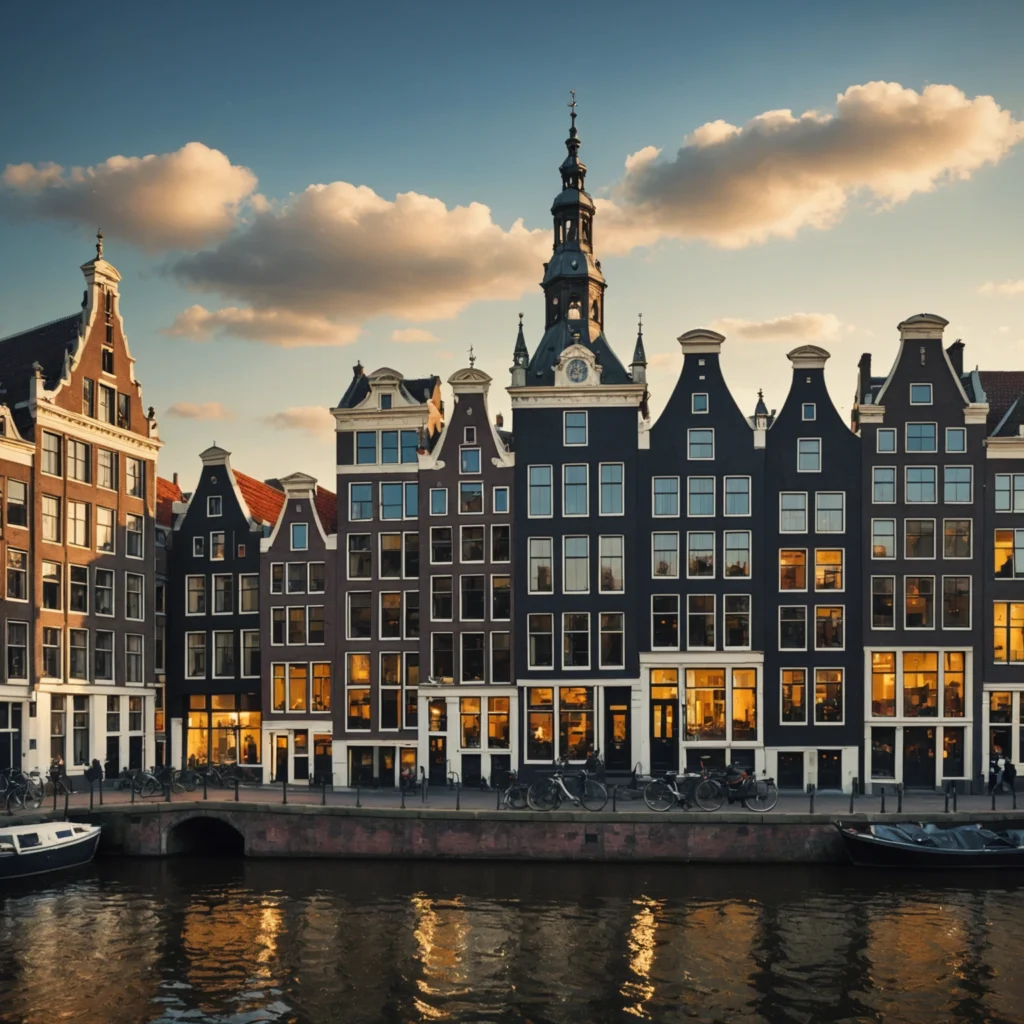
On November 7, 2024, the historic city of Amsterdam, known for its picturesque canals and vibrant culture, became the backdrop for chaos and violence following a UEFA Europa League football match between Israeli club Maccabi Tel Aviv and Dutch powerhouse Ajax Amsterdam. What transpired on that fateful night has sent shockwaves throughout the Netherlands, raising pressing questions about safety, tolerance, and the city’s reputation as a welcoming destination.
A Night of Violence
The match, which was highly anticipated by fans of both teams, quickly descended into violence as Israeli supporters were violently targeted in a series of “hit and run” attacks. Reports indicate that at least 20 Israelis were injured, with another 20 to 30 sustaining minor injuries during these coordinated assaults across the city. The brutal nature of these attacks, which appeared to be premeditated, led to a swift police response, resulting in the arrest of at least 62 individuals involved in the ambushes.
Political Reactions Erupt
The violent incidents have drawn sharp criticism from various political factions within the Netherlands. The opposition party, Denk, has called for legal action against the Israeli fans who they allege incited the violence. Their statements highlight the growing tensions surrounding the Israeli-Palestinian conflict and its repercussions on Dutch soil.
In stark contrast, both the Dutch and Israeli governments have condemned the antisemitic nature of the attacks. Amsterdam’s Mayor Femke Halsema expressed her deep shame over the events, drawing a chilling comparison to historical pogroms against Jews in Europe. “This is not who we are,” she stated, emphasizing the need for unity in the face of such hatred.
Emergency Measures and Public Safety
In response to the violence, the city implemented emergency measures over the weekend, prohibiting demonstrations and granting police enhanced stop-and-search powers. This move has sparked a debate about the balance between safety and civil liberties, with many residents expressing concern over the potential for overreach by law enforcement.
Clashes at Pro-Palestinian Protests
The turmoil did not end with the football violence. In a separate but related incident, Amsterdam witnessed clashes during a banned pro-Palestinian protest at Dam Square. Police detained 281 individuals, and reports of police brutality have emerged, raising alarms about the treatment of those who were arrested. Allegations of excessive force and violence against protesters have intensified discussions about the right to protest in a democratic society.
Amsterdam’s Struggle with Xenophobia
These recent events highlight a troubling trend in Amsterdam as the city grapples with rising xenophobia and antisemitism. Long known for its liberal and tolerant ethos, the recent incidents have cast a shadow over the city’s image as a haven for diversity and inclusion.
As the public reacts to the violence, there are growing calls for accountability and a reassessment of how the city addresses hate crimes. Many residents are left wondering, is Amsterdam still a safe place for all its citizens?
The Broader Implications
The violent confrontations following the football match illustrate a growing divide within Dutch society, one that mirrors broader global tensions surrounding nationalism and identity. As the Netherlands contemplates its future, the city must confront the underlying issues of intolerance and hatred that have been simmering beneath the surface.
With Amsterdam being a microcosm of these global trends, the implications of these events stretch far beyond the canal-lined streets. They challenge the city’s commitment to its core values of tolerance and coexistence and pose difficult questions for policymakers and citizens alike.
A Call for Unity
In the wake of the turmoil, many community leaders and activists are calling for a renewed commitment to dialogue and understanding. They emphasize that the city must work together to combat the forces of division and hatred that threaten to tear apart the social fabric.
As Amsterdam continues to navigate these challenging waters, its residents are urged to stand together against the tide of violence and intolerance. The city’s vibrant history of cultural exchange and acceptance must not be overshadowed by recent violence. Instead, it should serve as a reminder of what can be achieved when communities come together in solidarity.
Looking Ahead
As investigations continue and the city grapples with the fallout from these events, one thing is certain: Amsterdam is at a critical juncture. The actions taken in the coming weeks and months will define not only the city’s approach to public safety but also its commitment to the principles of tolerance and inclusion that have long been its hallmark.
For residents and visitors alike, the question remains: will Amsterdam rise from this turmoil stronger and more united, or will it allow division and hatred to prevail? As the world watches, the city’s response will undoubtedly shape its identity for years to come.


