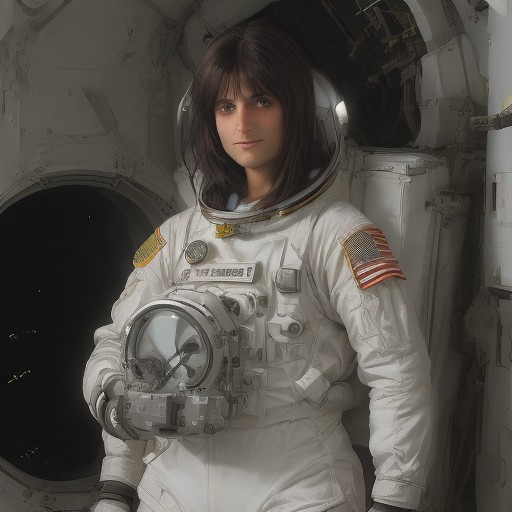
The Cosmic Odyssey of Sunita Williams
NASA astronaut Sunita Williams has become a beacon of inspiration and resilience as she navigates the challenges of living aboard the International Space Station (ISS) for several months. As she awaits her return to Earth, her journey encapsulates the remarkable advancements in space exploration and the human spirit’s incredible capacity to adapt to the unknown. However, recent developments surrounding her mission have ignited discussions about the implications of long-term space travel and the responsibilities that astronauts carry, even while orbiting our planet.
Mission Delays: A Cosmic Waiting Game
Initially slated to return home on Boeing’s state-of-the-art Starliner spacecraft, Williams now finds herself in a waiting game due to unforeseen delays. Technical issues have plagued the spacecraft, coupled with adverse weather conditions that have further postponed her anticipated return. While space travel promises thrilling adventures, it also comes with its fair share of unpredictability. As the world watches, the delays have sparked a heated debate over the reliability of commercial space travel and the urgency for NASA to address these challenges.
Voting from Orbit: A Stellar Responsibility
In a groundbreaking move that highlights the intersection of technology and democracy, Sunita Williams is set to participate in the 2024 US elections from her vantage point in space. NASA ensures that astronauts maintain their voting rights, allowing them to cast their ballots even while orbiting Earth. This initiative not only underscores the importance of civic duty but also raises questions about the implications of space-based voting. Could this pave the way for future electoral processes? As Williams prepares to make her voice heard from the cosmos, many are left to ponder the future of democracy in an increasingly interconnected universe.
Health Concerns: The Toll of Space Living
As Sunita Williams and her fellow astronaut Butch Wilmore continue their mission, health experts are voicing concerns about the potential effects of prolonged space travel on their bodies. After spending six months in the microgravity environment of the ISS, the duo faces challenges that could have long-lasting implications for their health. NASA has remained tight-lipped about specific health issues, citing medical privacy, but the silence has only fueled speculation. How does living in space affect human physiology? What measures are in place to ensure the astronauts’ well-being? These questions linger as Williams navigates the delicate balance of pushing the boundaries of exploration while safeguarding her health.
Living in the Fast Lane: A Day in Space
For Sunita Williams, every day on the ISS is a whirlwind of activity, characterized by an astonishing 16 sunrises and sunsets every 24 hours. This unique experience highlights the beauty and complexity of life aboard the station. While she conducts scientific experiments and maintains the station, the constant cycle of day and night serves as a reminder of the planet she has left behind. The breathtaking views of Earth from space provide solace and inspiration, yet they also underscore the sacrifices made by astronauts like Williams in the name of discovery.
Community Support: A Hometown Hero
Back on Earth, the town of Needham, Massachusetts, stands united in support of their hometown hero, Sunita Williams. The community has rallied around her, celebrating her achievements and sending messages of encouragement during her prolonged absence. This solidarity not only highlights the personal sacrifices made by astronauts but also emphasizes the profound connection between those who explore the cosmos and the communities that nurture them. As Williams continues her mission, she carries the hopes and dreams of her community with her, a testament to the power of local support in the face of extraordinary circumstances.
Implications for Future Space Missions
Sunita Williams’ extraordinary journey aboard the ISS raises crucial questions about the future of space exploration. As NASA and commercial partners like Boeing continue to push the boundaries of what is possible, the complexities of human factors in space travel become increasingly apparent. The delays in her return, health concerns, and the integration of civic responsibilities like voting from space all contribute to a burgeoning conversation about the next steps in space exploration.
Could the challenges faced by astronauts lead to enhanced training and support systems for future missions? Will the experience of voting from space inspire further innovations in how we engage with democracy? As we stand on the brink of a new age of exploration, the implications of Williams’ mission resonate far beyond the confines of the ISS.
Conclusion: A Journey Worth Watching
As Sunita Williams continues her remarkable journey aboard the ISS, she embodies the spirit of exploration and the complexities of human existence in space. Her experiences, from navigating mission delays to participating in the democratic process, serve as a microcosm of the challenges and triumphs that come with venturing beyond our planet. The world watches with bated breath, eager to see how her story unfolds and what it means for the future of space exploration.
In the grand tapestry of human history, astronauts like Sunita Williams are not just pioneers; they are symbols of hope and resilience, reminding us that the quest for knowledge and understanding knows no bounds. As we continue to explore the cosmos, we must also reflect on the implications of our journeys, not just for ourselves but for generations to come.


