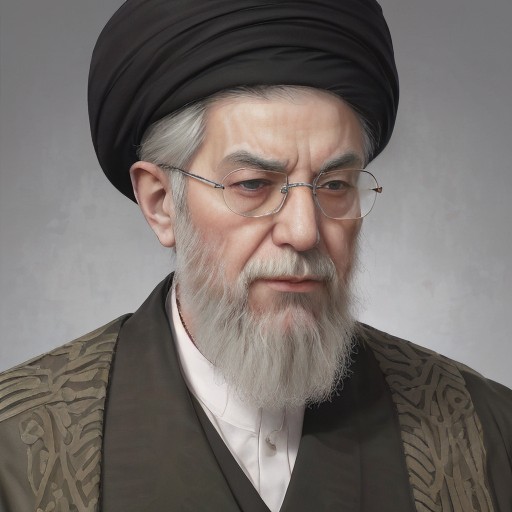
Introduction: The Unyielding Leader of Iran
In a world where geopolitical tensions are at an all-time high, few figures resonate with such fervor and influence as Ayatollah Seyyed Ali Khamenei, the Supreme Leader of the Islamic Republic of Iran. As the country grapples with mounting pressures from both Israel and the United States, Khamenei’s recent declarations have ignited discussions that could shape the future of international relations in the Middle East. This article delves into Khamenei’s bold statements and actions, exploring their implications and the potential ripple effects on global politics.
Call for Prosecution: A New Era of Accountability?
Khamenei’s recent call for the prosecution of Israeli officials marks a significant escalation in his rhetoric against what he perceives as systemic injustices committed by Israel. Following the issuance of arrest warrants by the International Criminal Court for Israeli Prime Minister Benjamin Netanyahu and former war minister Yoav Gallant, Khamenei took to social media to demand accountability for what he describes as terrorist activities. This unprecedented demand plays into a broader narrative of justice and retribution that Khamenei has traditionally championed.
But what does this mean for the political landscape? Khamenei’s insistence on pursuing legal action against Israeli officials is not merely a rhetorical flourish; it signals a potential shift in Iran’s approach to international diplomacy. By framing the conflict in legal terms, Khamenei seeks to garner global attention and rally support from nations sympathetic to the Palestinian cause. The implications of such a stance could be profound, especially considering the complex web of alliances and enmities in the region.
Confronting the Giants: Khamenei’s Response to the US and Israel
In a fiery post on the social media platform X, Khamenei vowed that the United States and Israel will receive a crushing response for their actions against Iran. This declaration encapsulates Khamenei’s longstanding belief that Iran is in a state of perpetual confrontation with Western powers, particularly Israel, which he accuses of orchestrating a campaign of aggression against the Iranian state.
This rhetoric is not new; Khamenei has consistently portrayed the US and Israel as existential threats to Iran. However, the timing of his latest statements—amid ongoing conflicts in the Gaza Strip and heightened tensions with the West—adds a layer of urgency to his words. As diplomatic relations continue to fray, Khamenei’s aggressive posture may serve to unify hardliners within Iran, but it also risks alienating potential allies who may prefer a more conciliatory approach.
Khamenei’s Enduring Influence: The Backbone of Iranian Politics
Despite the recent presidential elections that saw reformist candidate Masoud Pezeshkian take office, Ayatollah Khamenei remains an indomitable force in Iranian politics. His role as the final arbiter of state matters ensures that he retains significant power over national policy and foreign relations. This dynamic raises the question: can any elected official truly enact change in a system where Khamenei’s influence is paramount?
The political landscape in Iran is complex, with various factions vying for power and influence. However, Khamenei’s steadfast grip on the Supreme Leader position means that any shifts towards reform must contend with his conservative ideology. As reformists push for change, Khamenei’s recent statements reveal a reluctance to soften his stance against Israel and the US, suggesting that the path to reform may be fraught with challenges.
Implications for Regional Stability: A Dangerous Game
Khamenei’s declarations and aggressive posturing have sparked concerns among observers about the potential for increased violence and instability in the region. As Iran continues to bolster its military capabilities and support for proxy groups across the Middle East, the threat of escalation cannot be underestimated. The calls for prosecution of Israeli officials could embolden Iran’s allies, further complicating an already volatile situation.
The international community watches closely as Khamenei’s rhetoric could lead to a miscalculation, where provocative statements translate into military engagements. The ramifications of such a scenario would be severe, not only for Iran and Israel but for the entire Middle East. The delicate balance of power is already precarious, and Khamenei’s words may tip it further into chaos.
The Global Reaction: Allies and Adversaries
As Khamenei’s statements reverberate through the corridors of power worldwide, reactions vary significantly. Russia and China have historically supported Iran’s positions against the US and Israel, and Khamenei’s calls for justice may resonate with their narratives of resisting Western hegemony. However, nations like Saudi Arabia and Egypt, who have their own complex relationships with both Iran and the West, may view Khamenei’s aggressive stance with concern.
This geopolitical chess game unfolds on multiple levels, and Khamenei’s actions could embolden extremist elements while alienating moderate voices within the region. The potential for a united front against Israel and the US could materialize if Khamenei’s rhetoric finds traction among neighboring countries, leading to a more unified resistance against perceived injustices.
Public Sentiment in Iran: Support or Discontent?
While Khamenei’s hardline stance may garner support from conservative factions within Iran, the general public’s sentiment is more complex. Many Iranians are increasingly disillusioned with the ongoing sanctions, economic struggles, and limited freedoms. Khamenei’s aggressive foreign policy may not resonate with a populace yearning for improved living conditions and a more open society.
The disconnect between Khamenei’s rhetoric and the realities faced by ordinary Iranians could lead to internal discontent. Young people, in particular, are more attuned to global issues and may view Khamenei’s calls for confrontation as counterproductive. This generational divide poses a significant challenge for Khamenei and the ruling elite, as they navigate the delicate balance between maintaining power and addressing the aspirations of a frustrated populace.
Conclusion: The Road Ahead for Khamenei and Iran
As Ayatollah Khamenei continues to assert his influence over Iranian politics and foreign relations, the implications of his recent statements are profound. The call for the prosecution of Israeli officials and the promise of a crushing response to the US highlights a leader committed to defending Iran’s sovereignty at all costs. Yet, this hardline approach may also exacerbate tensions both regionally and globally.
The path forward is fraught with uncertainty. As Khamenei navigates the complex landscape of Iranian politics, public sentiment, and international relations, the choices he makes will undoubtedly shape the future of Iran and its role on the world stage. Will Khamenei’s steadfastness lead to a new era of accountability and justice, or will it plunge the region further into chaos? Only time will tell, but one thing is clear: Ayatollah Khamenei remains a pivotal figure in a world that is watching closely.


