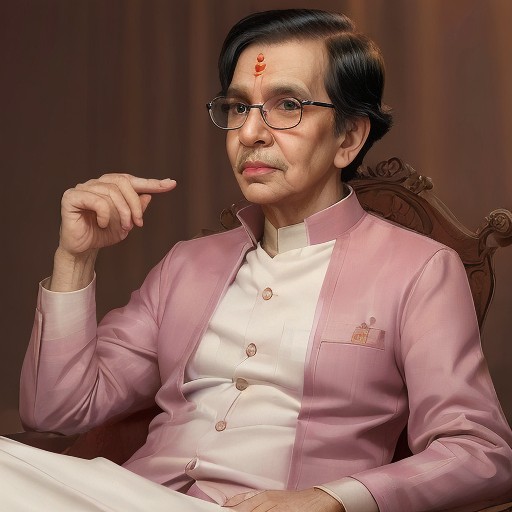
The Rise of Balasaheb Thackeray: Shaping Maharashtra’s Political Landscape
Born on January 23, 1926, Bal Thackeray, affectionately known as Balasaheb, emerged from humble beginnings to become a formidable force in Indian politics. He founded the Shiv Sena in 1966, a party that championed the rights of the Marathi-speaking populace in Maharashtra. His oratory skills and charismatic personality drew millions to his cause, fueling a regional sentiment that resonated deeply in the hearts of many.
Balasaheb’s Ideology: A Marathi Voice in a Diverse India
Bal Thackeray’s political ideology was largely centered around the Marathi identity. He advocated for the rights of locals in Mumbai, often framing his arguments against the influx of migrants. This rhetoric not only galvanized support among the Marathi-speaking community but also sparked controversy and unrest among other ethnic groups. His staunch stance on regionalism was both praised and criticized, illustrating the complexities of Maharashtra’s social fabric.
The Shiv Sena Phenomenon: More Than Just a Political Party
Under Balasaheb’s leadership, the Shiv Sena transformed from a fringe party to a dominant political force in Maharashtra. The party’s aggressive campaigns often included street demonstrations and public rallies that captivated the masses. Balasaheb utilized the media effectively, leveraging cartoons and satire to communicate his messages. His ability to connect with the common man made him a beloved figure, almost akin to a folk hero in the eyes of his supporters.
Controversies and Challenges: The Dark Side of Leadership
Despite his popularity, Balasaheb Thackeray was not without controversy. His speeches frequently incited violence and communal tensions, leading to accusations of promoting divisive politics. The infamous 1992-93 riots in Mumbai, which left hundreds dead, highlighted the volatile nature of his political influence. Critics argued that Balasaheb’s rhetoric contributed to the unrest, raising questions about the responsibilities of political leaders in fostering peace and unity.
Legacy of Leadership: Balasaheb’s Family and Political Dynasty
After Balasaheb’s death on November 17, 2012, his legacy continued through his family. His son Uddhav Thackeray, who took over the Shiv Sena’s leadership, has faced both challenges and opportunities in maintaining the party’s relevance in Maharashtra’s changing political landscape. Uddhav’s tenure has seen the Shiv Sena navigate complex alliances, including a significant shift in partnership with the Nationalist Congress Party (NCP) and the Indian National Congress, which was once seen as antithetical to Balasaheb’s vision.
Raj Thackeray: The Next Generation and New Challenges
Recently, Raj Thackeray, Balasaheb’s nephew, has been making headlines with his political maneuvers in Maharashtra, especially during the assembly elections. His attempts to revitalize the Maharashtra Navnirman Sena (MNS) and attract the Marathi vote are reminiscent of Balasaheb’s early days. However, the political landscape has changed dramatically since Bal Thackeray’s era, leading to questions about whether Raj can capture the same fervor and loyalty that his uncle commanded.
The Ongoing Influence of Balasaheb’s Ideals
Even after a decade since his passing, Balasaheb Thackeray’s ideologies continue to inspire and divide the people of Maharashtra. The emergence of regionalist sentiments and the rise of leaders echoing Balasaheb’s themes indicate that his impact endures. As Maharashtra grapples with issues like migration, economic inequality, and cultural identity, Thackeray’s legacy remains a potent symbol in the ongoing political discourse.
Public Sentiment: How Balasaheb is Remembered Today
Public opinions about Balasaheb Thackeray are mixed. For many, he is a champion of the Marathi community, a leader who fought for their rights and dignity. Others view him as a polarizing figure whose policies fostered division. His death has sparked various interpretations, leading to a reevaluation of his contributions to Maharashtra’s political history. In a country striving for unity in diversity, Balasaheb’s legacy poses critical questions: Can regional pride coexist with national harmony?
Future of the Shiv Sena: Navigating a New Era
The Shiv Sena’s future hinges on its ability to adapt to the changing political dynamics of Maharashtra. With Uddhav Thackeray’s leadership and Raj Thackeray’s resurgence, the party faces the challenge of staying relevant in a landscape that includes the Bharatiya Janata Party (BJP) and other emerging political forces. The question remains: Will the Shiv Sena continue to uphold Balasaheb’s vision, or will it evolve into something entirely different?
Conclusion: Balasaheb Thackeray’s Enduring Mark on Maharashtra Politics
Balasaheb Thackeray was more than just a politician; he was a phenomenon that shaped the very essence of Maharashtra’s political identity. His legacy is a double-edged sword, inspiring loyalty while inciting controversy. As Maharashtra stands at a crossroads, the influence of Balasaheb’s ideals is palpable, challenging new leaders to honor the past while navigating the complexities of the present. The lion of Mumbai politics may have passed, but his roar continues to resonate in the hearts of many, making Balasaheb Thackeray a timeless figure in the political narrative of Maharashtra.


