
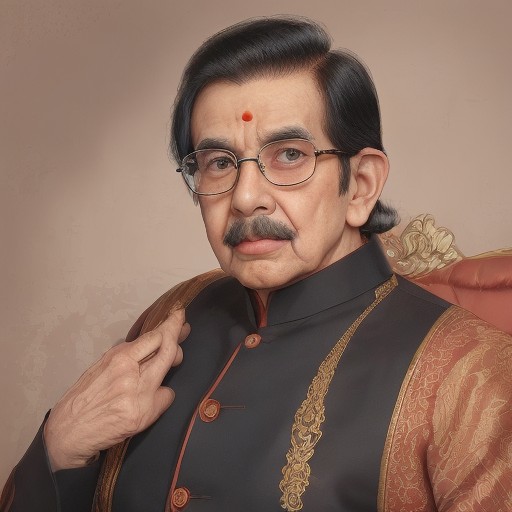
Introduction: The Man Behind the Shiv Sena
In the annals of Indian political history, few figures loom as large as Balasaheb Thackeray, the charismatic leader whose influence has left an indelible mark on the socio-political landscape of Maharashtra. Born on January 24, 1926, Thackeray emerged as a formidable force, founding the Shiv Sena in 1966 with a vision to champion the rights and interests of the Marathi-speaking populace. His journey from a cartoonist to a political powerhouse is not just a testament to his ambition but also a reflection of the changing tides of Maharashtra’s identity.
The Birth of Shiv Sena: A Movement for the Marathi Identity
The 1960s were pivotal in Maharashtra’s history, marked by rising regionalism and a burgeoning demand for representation for the local population. Bal Thackeray recognized this need and established the Shiv Sena, a party that sought to empower Marathi speakers and protect their cultural heritage. From its inception, the party was a response to perceived injustices faced by locals in a rapidly urbanizing Mumbai, a city that was becoming a melting pot of cultures.
Bold Leadership: The Thackeray Style
Bal Thackeray was known for his combative rhetoric and unapologetic stance on various issues. His speeches often resonated with the masses, rallying them around causes that emphasized Marathi pride and regional development. He was not just a political figure; he was a cultural icon who understood the pulse of the people. His ability to connect with the crowd made him a beloved leader among his supporters but also drew criticism for his sometimes incendiary remarks.
Controversies and Criticisms: A Polarizing Figure
While Bal Thackeray enjoyed immense popularity, his political career was not without controversies. His nationalist and, at times, sectarian rhetoric sparked debates about the nature of identity politics in India. Critics often accused him of fostering divisiveness, particularly in a state that is home to a myriad of ethnicities and cultures. The tension between his vision of a Marathi-centric Maharashtra and the diverse fabric of the state raised questions about the implications of his policies on communal harmony.
Family Legacy: The Next Generation of Thackerays
After Bal Thackeray’s passing on November 17, 2012, the mantle of leadership was taken up by his son, Uddhav Thackeray, who became the president of the Shiv Sena. Uddhav’s leadership style marked a departure from his father’s more confrontational approach, opting instead for a more conciliatory tone. However, the political landscape remained charged, especially with Bal Thackeray’s nephew, Raj Thackeray, leading the Maharashtra Navnirman Sena (MNS), further complicating the Thackeray family legacy.
A Lasting Impact: Bal Thackeray’s Cultural Influence
Beyond the political realm, Balasaheb Thackeray’s contributions to Maharashtra’s cultural identity are noteworthy. His emphasis on Marathi language and culture resonated deeply with the populace, fostering a sense of pride that transcended politics. The Shiv Sena’s annual Ganesh Chaturthi celebrations and other cultural festivals became platforms to showcase Marathi heritage, creating a resurgence of interest in local customs and traditions.
Contemporary Relevance: The Thackeray Legacy in Today’s Politics
In recent years, as Maharashtra continues to grapple with political challenges, the shadow of Bal Thackeray looms large. Discussions around regional identity, migration, and cultural preservation remain central to the political discourse. The Shiv Sena, under Uddhav Thackeray, faced significant tests, particularly during the COVID-19 pandemic and its aftermath. The party’s response to these challenges often invoked Bal Thackeray’s legacy, with leaders calling upon his vision to navigate the complexities of modern governance.
Public Sentiment: Bal Thackeray’s Enduring Popularity
Despite the controversies surrounding him, Bal Thackeray’s popularity endures, particularly among his core supporters. His image as a staunch defender of Maharashtra’s interests continues to resonate with many, especially in a time when regional identities are being increasingly politicized. The polarizing nature of his legacy invites both admiration and critique, making him a subject of ongoing debate in political circles.
Conclusion: The Enigma of Balasaheb Thackeray
Balasaheb Thackeray’s life and career were emblematic of the tumultuous changes in Maharashtra’s political and cultural landscape. His unwavering commitment to the Marathi cause, coupled with his controversial methods, positioned him as a complex figure whose influence cannot be easily categorized. As Maharashtra moves forward, the lessons from Thackeray’s tenure—both positive and negative—will continue to shape the state’s political narrative.
Call to Action: Reflecting on Thackeray’s Legacy
As we reflect on the legacy of Balasaheb Thackeray, it is crucial for citizens to engage in dialogues about identity, regionalism, and the future of Maharashtra. What role should leaders play in a diverse society? How do we balance regional pride with national unity? These questions remain pertinent as we navigate an increasingly complex political landscape.
In the end, Bal Thackeray was not just a politician; he was a phenomenon. His ability to galvanize the masses and advocate for a cause that resonated deeply with many remains a defining characteristic of his legacy. Whether viewed with admiration or skepticism, Balasaheb Thackeray’s impact on Maharashtra is undeniable, and his story continues to evoke passionate discussions among citizens and political analysts alike.


