
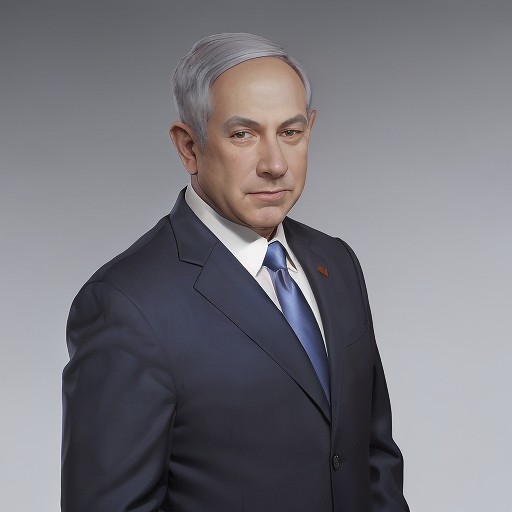
Introduction: The Enigmatic Leader of Israel
Benjamin “Bibi” Netanyahu, Israel’s polarizing Prime Minister, has once again found himself at the center of a political maelstrom. Born on October 21, 1949, Netanyahu’s political career has spanned decades, making him a well-known figure not only in Israel but around the globe. With recent developments that include ongoing legal challenges and allegations of war crimes, Netanyahu’s tenure has become a focal point of debate, speculation, and fierce public opinion.
A Storied Political Career
Netanyahu’s political journey is a testament to his resilience and political acumen. He first rose to prominence as Prime Minister from 1996 to 1999, before returning to the position from 2009 to 2013, and then again in 2022. His ability to navigate the complex landscape of Israeli politics has allowed him to remain a key player, even as controversies surround him.
Throughout his leadership, Netanyahu has advocated for strong security policies and a hardline stance against Palestinian groups, particularly in light of the ongoing Gaza conflict. His supporters laud him for providing stability and security to Israel, while critics accuse him of exacerbating tensions and prolonging the conflict for political gain. This dichotomy is a defining aspect of his leadership and continues to shape public perception.
Current Legal Challenges: A Political Tightrope
As Netanyahu continues to serve as Prime Minister, he faces significant legal troubles that threaten to undermine his authority. The International Criminal Court (ICC) has issued arrest warrants for Netanyahu, accusing him of alleged war crimes and crimes against humanity related to the 13-month Gaza conflict. This unprecedented move has ignited a firestorm of controversy both domestically and internationally.
The ICC’s actions have polarized public opinion in Israel, with many viewing the court’s decision as an attack fueled by an anti-Semitic agenda. Supporters argue that the ICC’s involvement undermines Israel’s sovereignty, while critics contend that Netanyahu’s policies have led to unnecessary violence and suffering.
Corruption Trial: The Legal Quagmire
Adding to his legal woes, Netanyahu is embroiled in a corruption trial that has been ongoing since 2020. This trial involves allegations of bribery, fraud, and breach of trust. Despite the serious nature of these charges, Netanyahu has managed to postpone his testimony multiple times, citing his responsibilities as Prime Minister and the recent arrest warrants from the ICC.
Critics of Netanyahu argue that these postponements are strategic moves intended to delay the trial and maintain his grip on power. Supporters, however, defend him, claiming that the legal proceedings are politically motivated and seek to undermine his leadership. As Netanyahu prepares to testify, the nation anxiously awaits the implications of his defense and the potential outcomes of the trial.
Public Reactions: A Divided Nation
The public’s reaction to Netanyahu’s legal challenges has been nothing short of intense. In a country already rife with political divisions, the ICC’s arrest warrants have further inflamed tensions. Supporters of Netanyahu argue that the charges against him are unfounded and part of a larger conspiracy to delegitimize Israel on the world stage. Many see him as a bulwark against anti-Semitism, rallying behind him during these turbulent times.
Conversely, critics contend that Netanyahu’s policies have not only endangered Palestinian lives but also put Israel’s democratic values at risk. Protests have erupted in various cities, calling for accountability and a change in leadership. The stark contrast in public sentiment highlights the deep fractures within Israeli society, making it clear that Netanyahu’s leadership style and legal troubles will continue to dominate headlines.
International Implications: A Global Perspective
Netanyahu’s legal challenges have broader implications that extend beyond Israel’s borders. The ICC’s involvement signals a growing international scrutiny of Israel’s actions during the Gaza conflict, raising questions about accountability and human rights in the region. Many countries and global organizations have expressed support for the ICC’s investigation, while others have vehemently defended Israel’s right to self-defense.
The geopolitical landscape is further complicated by Netanyahu’s relationships with other nations. The Prime Minister has often sought to strengthen ties with the United States and European allies, but his legal troubles may strain these relationships. Critics argue that his confrontational approach could alienate key allies, while supporters maintain that his strong leadership is essential for Israel’s security.
Conclusion: The Future of Netanyahu and Israel
As Benjamin Netanyahu navigates the turbulent waters of his political career, the future remains uncertain. His ability to retain power amid legal challenges and public dissent is a testament to his political skill, but the question remains: for how long can he maintain this delicate balance? With each passing day, the stakes grow higher, not only for Netanyahu but for the entire nation of Israel.
As the world watches closely, the implications of Netanyahu’s decisions and the outcomes of his legal battles will undoubtedly shape the future of Israeli politics. Will he emerge victorious, bolstered by a loyal base, or will the weight of his controversies finally catch up with him? Only time will tell, but one thing is certain: the saga of Benjamin Netanyahu is far from over.


