
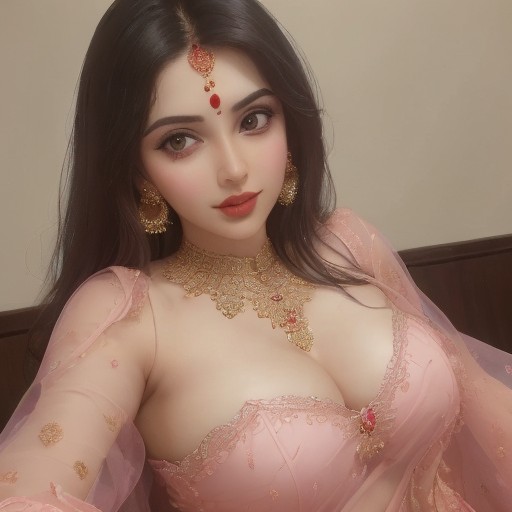
Understanding the Term ‘Bhabhi’
The term “Bhabhi” holds significant cultural weight in Indian society, referring to a woman who is married into a family, yet not by blood. Traditionally, this term has been associated with familial respect and the nuances of womanhood within the sacred institution of marriage. However, as we step into the 2020s, the perception and usage of the term have evolved dramatically, particularly fueled by the rise of social media.
The Rise of ‘Bhabhi’ in Pop Culture
In recent years, the term has transcended its conventional boundaries, adapting to the dynamic landscape of modern Indian culture. Celebrities, especially actresses like Triptii Dimri, have become central figures in this evolution. Dubbed “Bhabhi 2” by fans and media alike, Dimri’s transformation from a humble actress to a glamorous icon illustrates the blending of traditional roles with contemporary images.
Triptii Dimri: From Simple Roles to Glamour Queen
Triptii Dimri has garnered significant attention for her stunning performances and striking looks. Her roles in films like “Vicky Vidya Ka Woh Wala Video” have showcased her acting prowess, but it’s her bold and glamorous persona that has truly captured the public’s imagination. Recent media coverage, including articles from DNA India, emphasizes how she has effectively shed her original image, embracing a more sophisticated and glamorous public identity.
Celebrity Influence on the ‘Bhabhi’ Trend
The rise of social media platforms has further propelled the term ‘Bhabhi’ into the limelight. Young audiences, especially, have embraced this term to describe women who embody a mix of traditional and modern values. Influencers and celebrities are often seen flaunting their ‘Bhabhi’ looks, which are characterized by a blend of traditional attire with contemporary fashion statements. This has led to a new wave of admiration for actresses like Dimri, who symbolize this modern ‘Bhabhi’ archetype.
Media Portrayal and Public Perception
The media’s portrayal of the term ‘Bhabhi’ has been mixed. While many outlets celebrate this new interpretation, others tread cautiously, highlighting the potential misuse of the term. Certain unverified directories and advertisements have exploited the term to promote unrelated services, such as escort services. This controversial usage raises questions about how the term can be misrepresented and the implications it has on societal perceptions of women in India.
Social Media: The Double-Edged Sword
Social media has become a powerful tool in shaping the narrative around the term ‘Bhabhi.’ On one hand, it allows for a redefinition of traditional roles, encouraging women to embrace both their cultural identity and modern aspirations. On the other hand, the rapid dissemination of content can lead to misunderstandings and misrepresentations, diluting the term’s original significance.
Are We Redefining Womanhood?
As we navigate through this cultural shift, one must ponder: are we genuinely redefining womanhood, or are we simply repackaging traditional roles for a contemporary audience? The emergence of the ‘Bhabhi’ trend, particularly through the lens of Triptii Dimri, raises critical questions about how women are viewed in society today. Are they merely conforming to new standards of beauty and acceptance, or are they carving out spaces for themselves in a world that often feels constricting?
Public Reactions: Love It or Hate It?
The public’s reaction to this evolving concept of ‘Bhabhi’ has been nothing short of polarized. On social media, many applaud actresses like Dimri for their bold transformations, celebrating their ability to navigate the complexities of modern womanhood. However, detractors argue that such portrayals can perpetuate unrealistic beauty standards and reinforce the notion that a woman’s worth is tied to her appearance.
The Implications of the ‘Bhabhi’ Trend
As the term ‘Bhabhi’ continues to gain traction, its implications are vast. It reflects a broader societal shift where traditional roles are being challenged and redefined. This evolution highlights the ongoing dialogue about gender, identity, and the expectations placed upon women in contemporary India. The term has the potential to inspire empowerment, yet it also risks reinforcing stereotypes if not approached thoughtfully.
The Future of ‘Bhabhi’ in Indian Culture
Looking ahead, one can only speculate how the term ‘Bhabhi’ will continue to evolve. Will it remain a symbol of empowerment, or will it succumb to the pressures of commercialization and misinterpretation? As more actresses like Triptii Dimri take the spotlight, the narrative surrounding ‘Bhabhi’ will likely continue to shift, reflecting the changing dynamics of Indian society.
Conclusion: Embracing Complexity
The term ‘Bhabhi’ is a fascinating lens through which we can examine the intersection of tradition and modernity within Indian culture. As it gains popularity, particularly through figures like Triptii Dimri, it invites us to engage in a broader conversation about the roles women play in society. The complexities of this term are emblematic of the broader issues we face today—how we define womanhood, the influence of media, and the implications of societal expectations.
As we continue to navigate this evolving landscape, one thing is clear: the conversation around ‘Bhabhi’ is just beginning, and its impact on culture and identity will undoubtedly resonate for years to come.


