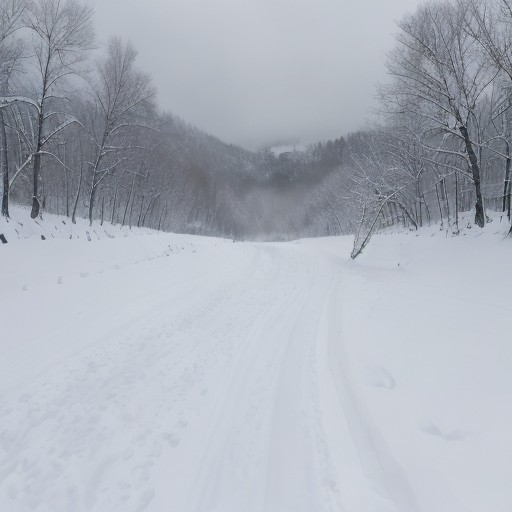
Winter Is Coming: What the La Niña Pattern Means for You
As the leaves begin to fall and temperatures drop, the excitement of winter is palpable. However, this year, a significant factor is set to influence the cold months ahead: the La Niña phenomenon. According to the National Oceanic and Atmospheric Administration (NOAA), the U.S. is on track to transition into a La Niña pattern for the upcoming 2024-25 winter months. This shift raises eyebrows and questions as it heralds a season of unpredictable weather that could affect millions.
Understanding La Niña: What Is It and How Does It Work?
La Niña is a climate pattern characterized by cooler-than-average ocean temperatures in the central and eastern Pacific Ocean. This phenomenon can have far-reaching effects on global weather, including the United States. During La Niña winters, certain areas may experience colder and wetter conditions, while others may face warmer and drier weather. Such disparities can lead to a range of winter forecasts, influencing everything from snowfall to temperature extremes.
The Latest Predictions: What NOAA is Saying
NOAA’s seasonal outlook has sparked discussions among meteorologists and residents alike. Regions such as North Bay, Ontario, are currently under a La Niña watch, indicating potential weather changes that could impact local communities. The forecast suggests that the Great Lakes region, including Michigan, may see varied winter predictions as a result of the La Niña influence. This means that residents could experience unexpected shifts in snowfall and temperature patterns, leading to a winter full of surprises.
La Niña’s Ripple Effects: What Can We Expect?
With La Niña’s arrival, the potential implications stretch far beyond just snow and cold. In regions accustomed to specific winter patterns, the transition can incite a wave of reactions. For instance, farmers in the Midwest may have to adjust their planting schedules based on altered precipitation patterns, while local businesses reliant on winter tourism could feel the pinch if conditions don’t align with expectations.
Moreover, the impact of La Niña is not uniform across the country. While some states might brace for heavy snows, others may enjoy an unseasonably warm winter. This disparity can lead to a sense of unease among residents, as they navigate the uncertainty of what lies ahead.
Regional Impacts: A Closer Look at the U.S.
As we delve deeper into the potential implications of La Niña, let’s explore how different regions could be affected:
The Northeast: A Mix of Cold and Snow
The Northeast is expected to experience colder temperatures and potentially above-average snowfall. This could mean a winter wonderland for some, but also treacherous travel conditions and challenges for local infrastructure.
The Midwest: Variability and Uncertainty
In the Midwest, particularly in states like Michigan, La Niña can lead to unpredictable weather patterns. While some areas may see increased snowfall, others could face warmer temperatures, creating a complex mix that farmers and residents alike must prepare for.
The South: Warmth and Drought
La Niña typically brings warmer and drier conditions to the southern U.S. This could result in less snowfall in regions that are used to winter precipitation. For communities reliant on snow for recreation, such as ski resorts, this trend could spell trouble.
The West: A Tale of Two Winters
In the western states, La Niña can lead to a dichotomy of weather patterns. Coastal areas may see drier conditions, while mountainous regions could receive heavier snowfall. This variability can impact water supply and agriculture, raising questions about sustainability.
La Niña and Its Global Connections: The Indian Perspective
While we focus primarily on the U.S., it’s essential to recognize that La Niña also has implications across the globe. In India, for instance, La Niña events often correlate with stronger monsoons, leading to increased rainfall. This can have significant effects on agriculture, water resources, and even economic stability. As countries grapple with the challenges of climate change, understanding these connections becomes increasingly vital.
Public Reaction: What Are People Saying?
As news of the impending La Niña winter spreads, public reaction has been mixed. Some are excited about the possibility of a snowy winter, envisioning cozy nights by the fireplace and festive outdoor activities. Others, however, voice concerns about the unpredictability of the season and the potential disruptions it may cause.
Social media platforms are buzzing with speculation and debate. Weather enthusiasts are exchanging predictions and tips, while skeptics question the reliability of long-range forecasts. This sense of community discussion underscores the importance of understanding the nuances of weather patterns and their implications.
Preparing for La Niña: What You Can Do
As we approach winter, it’s crucial for individuals and families to prepare for the potential impacts of La Niña. Here are some practical tips:
- Stay Informed: Keep an eye on local weather forecasts and updates from NOAA. Understanding what to expect can help you plan accordingly.
- Winterize Your Home: Ensure your home is prepared for cold temperatures and potential snowfall. This includes insulating pipes, checking heating systems, and stocking up on winter supplies.
- Plan for Travel: If you’re planning to travel during the winter months, be flexible with your plans. Consider alternate routes and allow extra time for travel in case of inclement weather.
- Engage with Your Community: Stay connected with neighbors and local organizations. Sharing resources and information can help everyone navigate the challenges of winter.
The Bottom Line: A Winter of Uncertainty
The La Niña winter of 2024-25 is shaping up to be a season of uncertainty, with potential implications that extend far beyond just snow and cold. As communities prepare for the unpredictable, discussions about the effects of climate patterns on local weather will continue to evolve.
Whether you’re a winter enthusiast looking forward to a snow-filled season or a resident worried about the potential challenges, one thing is clear: La Niña’s influence is here, and it’s time to brace ourselves for what lies ahead.


