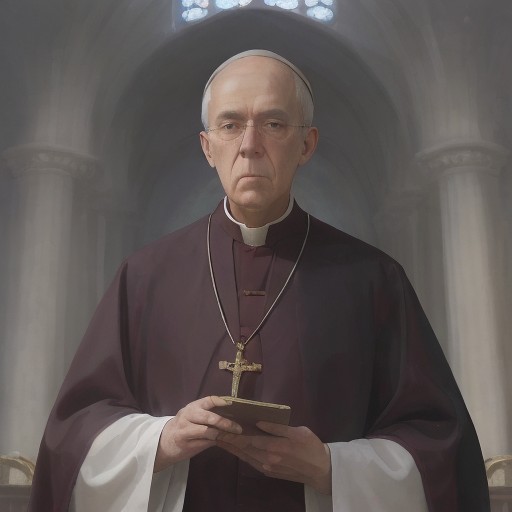
The Unfolding Drama: Archbishop Justin Welby’s Resignation
In a shocking turn of events, Justin Welby, the Archbishop of Canterbury, has announced his resignation, following the explosive revelations from the Makin Report. This report has unveiled a troubling narrative regarding Welby’s inaction on serious allegations of abuse linked to the notorious serial child abuser, John Smyth. The implications of his departure resonate far beyond the walls of the Church of England, stirring a whirlwind of controversy and debate among congregations and communities alike.
What Led to the Resignation?
For months, the Church of England has found itself engulfed in turmoil as allegations against Smyth resurfaced, bringing to light the Church’s historical failures in addressing abuse claims. The Makin Report has been a pivotal document, revealing that Welby, despite his position, had failed to act decisively on these allegations, leading to a crisis of trust within the Church and the wider community.
Initially reluctant to step down, Welby ultimately recognized that his position had become “untenable.” In a heartfelt statement, he expressed his commitment to allow the Church of England to move forward effectively in addressing these scandals. His resignation is seen not just as a personal decision but a necessary step for the Church to regain credibility in the eyes of its followers and the public.
The Timeline Towards Resignation
Welby is expected to fulfill his official duties until Epiphany 2025, a timeframe that some critics argue is too long given the severity of the circumstances. During this period, discussions about his potential successor are already underway, with names like the bishops of Norwich, Chelmsford, and Leicester being floated as possible candidates. Each of these figures brings a unique perspective and set of experiences that could shape the future of the Church.
Victims Speak Out: A Call for Accountability
The fallout from this scandal has not only affected the leadership of the Church but has also sparked outrage among victims and their advocates. Many have accused Welby of prioritizing his position over the voices of those who suffered under Smyth’s abuse. The sentiment is palpable, with numerous victims expressing their dissatisfaction with the Church’s handling of abuse allegations, feeling sidelined in a system that should protect them.
Activists and survivors are now calling for a thorough examination of the Church’s procedures for dealing with abuse cases. The Makin Report has reignited discussions on transparency and accountability within the Church of England, demanding that leaders take a firm stance against any form of abuse.
The Broader Implications for the Church of England
Welby’s resignation poses significant questions regarding the future leadership of the Church of England. Will his successor be able to restore faith and trust among congregants? The potential candidates are under scrutiny, as the Church faces the daunting task of redefining its approach to addressing abuse allegations and ensuring that such failures do not recur.
Moreover, the Church’s reputation has been significantly tarnished. With each passing day, the public’s perception of the Church as a safe haven for spiritual guidance becomes increasingly questioned. The new Archbishop will undoubtedly face immense pressure to implement reforms that prioritize victim support and transparent investigation processes.
Speculation and Reactions from the Public
The resignation has stirred a mix of emotions among the public, from relief to skepticism. Some view Welby’s departure as a necessary step toward healing and reform, while others remain doubtful about whether a change in leadership will genuinely bring about the much-needed transformation within the Church.
Social media platforms have become a battleground for opinions, with hashtags like #ChurchReform trending as individuals weigh in on the implications of this scandal. Many are urging for a broader conversation about accountability within religious institutions, pushing for systemic changes that transcend individual leadership roles.
The Path Ahead: What Can We Expect?
As the Church of England stands on the precipice of change, one thing is clear: the journey ahead will not be easy. The new leadership must confront the shadows of the past while carving a new path that prioritizes the safety and well-being of its members. The expectations are high, and the eyes of the world are watching.
In the wake of Welby’s resignation, the Church has a unique opportunity to redefine its mission and values. Will it rise to the occasion or falter under the weight of its past mistakes? The coming months will be critical in shaping the future of the Church of England and restoring faith among its followers.
Conclusion: A Moment of Reckoning for the Church
The resignation of Archbishop Justin Welby marks a significant moment in the history of the Church of England. It is a moment that challenges not only the leadership but also the very foundations of how the Church engages with issues of abuse and accountability. As discussions about his successor gain momentum, the Church must embrace this opportunity to reflect on its past, confront its failures, and commit to a future that honors the voices of victims.
In the coming years, the impact of this scandal will be felt far and wide. The Church of England stands at a crossroads, and the decisions made today will shape its legacy for generations to come. Will it emerge as a beacon of hope and healing, or will it continue to grapple with the ghosts of its past? The answer lies in its ability to listen, learn, and lead with integrity.


