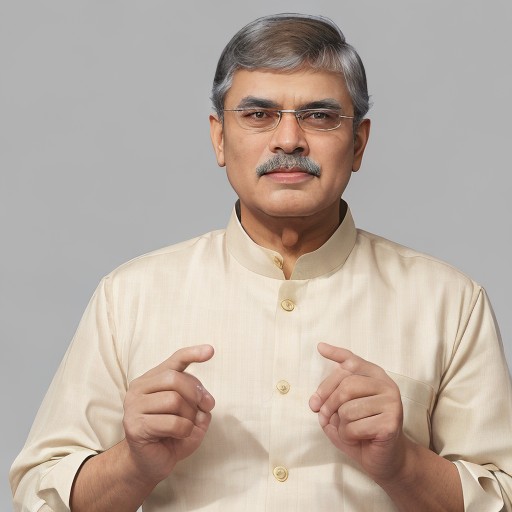
Introduction: The Man Behind the Politics
Nara Chandrababu Naidu, affectionately known as CBN, has been a pivotal figure in Andhra Pradesh’s political landscape for over three decades. Born on April 20, 1950, in Naravaripalle, Madras State, Naidu’s journey from a humble background to becoming one of the most influential politicians in the region is nothing short of remarkable. As the current Leader of the Opposition in the Andhra Pradesh Legislative Assembly, Naidu’s political maneuvers continue to draw both praise and controversy.
A Political Journey: From Congress to TDP
Naidu’s political career began in the late 1970s, where he initially joined the Indian National Congress (INC) in 1978. However, his political aspirations took a significant turn when he joined the Telugu Desam Party (TDP) in 1983. Since then, he has been a formidable force in Andhra Pradesh politics, showcasing a unique blend of technological advancement and traditional governance.
As the 13th Chief Minister of Andhra Pradesh, he held office from 1995 to 2004 and then again from 2014 to 2019. His tenure is often characterized by significant economic reforms, infrastructure development, and a strong focus on information technology, which earned him the nickname “Cyber Chief Minister.”
Recent Developments: A Leader’s Resilience
As of 2024, Naidu remains a significant player in Andhra Pradesh politics, despite facing challenges and criticisms. After losing the Chief Minister’s office in 2019, he has been actively engaging with party cadres, emphasizing the need for strategic learning from other successful leaders, notably Prime Minister Narendra Modi. His recent congratulatory message to the BJP-led Mahayuti Alliance on their victory in Maharashtra reflects his ongoing interest in national politics and his ability to adapt to the changing political landscape.
The TDP Under Naidu: Challenges and Opportunities
The Telugu Desam Party, under Naidu’s leadership, has faced its share of challenges, especially in the wake of the 2019 elections. The party’s dwindling influence in Andhra Pradesh has raised questions about its future and Naidu’s leadership. However, Naidu remains undeterred, frequently addressing party workers and urging them to draw lessons from Modi’s governance style.
Can Naidu’s emphasis on learning from successful governance spark a revival for the TDP? This question looms large as the party gears up for future elections.
Analyzing Naidu’s Recent Strategies
Naidu’s recent political strategies have been a mix of innovation and traditional campaigning. His focus on technology, a hallmark of his earlier governance, is being revisited as he seeks to engage younger voters. By leveraging social media platforms and digital outreach, Naidu aims to connect with the electorate like never before.
Moreover, his outreach to the BJP and praise for Modi’s policies indicate a strategic alignment that could potentially reshape Andhra Pradesh’s political dynamics. Is Naidu positioning himself as a bridge between regional and national politics? Such speculation adds an intriguing layer to his current political narrative.
Criticism and Controversies: The Other Side of Leadership
Despite his accomplishments, Naidu’s political journey has not been devoid of controversies. Critics often point to his alliance with the BJP, questioning whether it undermines the TDP’s regional identity. Additionally, his administration has faced backlash over issues like unemployment and farmer distress, which have been rallying points for opposition parties.
As the Leader of the Opposition, Naidu faces the dual challenge of defending his party’s past while critiquing the current government’s policies. His ability to navigate these turbulent waters will be crucial for his political survival.
The Future of Andhra Pradesh Politics: Naidu’s Role
As Andhra Pradesh stands at a crossroads, the role of Chandrababu Naidu will be critical in shaping the state’s political future. His long-standing experience, combined with a renewed focus on technology and governance, positions him as a potential game-changer. However, the question remains: Will Naidu’s strategies resonate with the electorate, or will they be seen as outdated in the face of a rapidly changing political landscape?
A Call to Action: Engaging the Youth and Future Leaders
One of the key aspects of Naidu’s recent activities has been his emphasis on engaging the youth. Recognizing that the younger generation will play a significant role in future elections, he has called for innovative approaches to mobilize young voters. Can the TDP reinvent itself as a party that champions youth and innovation? This remains to be seen.
Naidu’s initiatives to involve young leaders in party activities and decision-making processes could breathe new life into the TDP, potentially attracting a demographic that feels disconnected from traditional politics.
Conclusion: The Political Phoenix or a Fading Star?
Chandrababu Naidu’s political journey is a testament to resilience, adaptability, and strategic thinking. As he navigates the complexities of Andhra Pradesh’s political arena, the stakes are high. Will he emerge as a political phoenix, rising from the ashes of past defeats, or will he fade into the background as new leaders and parties capture the spotlight?
His ability to learn from both successes and failures, engage with the electorate, and redefine his party’s identity will ultimately determine his legacy. One thing is clear: Naidu is far from finished, and his story is one that continues to unfold in the vibrant tapestry of Indian politics.


