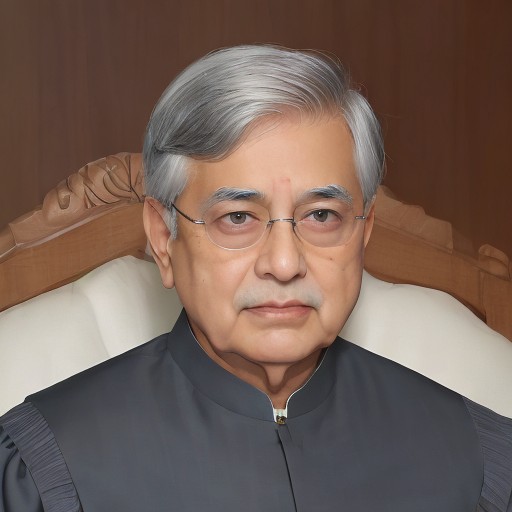
Introduction: A Historic Transition in the Supreme Court of India
On November 11, 2024, a significant chapter in the Indian judiciary began as Chief Justice Sanjiv Khanna officially took office, succeeding his esteemed predecessor, Chief Justice DY Chandrachud. This transition marks not just a change in leadership, but also sets the stage for a pivotal six-month period that could reshape the landscape of justice in India. With a focus on pressing issues and a fresh approach to case allocation, Justice Khanna’s tenure is poised to leave a lasting impact.
A Recommended Successor: The DY Chandrachud Legacy
Justice Khanna’s ascent to the highest judicial position was no coincidence; it was a recommendation made by none other than his predecessor, DY Chandrachud. This endorsement was a testament to Khanna’s capabilities and vision for the judiciary. President Droupadi Murmu swiftly accepted this recommendation, underscoring a continuity of leadership that aims to uphold the integrity of the Supreme Court. But what does this succession mean for the judiciary and the public at large?
Six Months of Promise: What Lies Ahead?
Justice Khanna is set for a six-month term that will conclude on May 13, 2025. This brief yet crucial period is expected to be characterized by high-profile cases and significant judicial reforms. As he steps into this role, the legal community and the public are watching closely. Will he leverage this limited time to enact substantial changes that align with the evolving needs of society?
Revolutionizing Case Allocation: A New Roster System
One of the first significant initiatives under Chief Justice Khanna’s leadership is the introduction of a new roster for case allocation. This strategic move aims to enhance the efficiency of the court system by designating key cases—including public interest litigations (PILs) and letter petitions—to be heard by benches led by the CJI and the two senior-most judges.
This systemic change has stirred discussions among legal experts and advocates. Some believe it will streamline the decision-making process, while others express concerns about potential biases in case allocation. Khanna’s management of this new system will be closely scrutinized, as its effectiveness could either solidify or undermine his reputation as CJI.
High-Profile Cases: The Court’s Spotlight
As Chief Justice, Khanna is expected to preside over several high-profile cases that have captured the public’s attention. Among these are issues surrounding pollution, the contentious debate over firecracker bans, and allegations of derogatory jokes against the Sikh community. The outcomes of these cases could have profound implications for society and could either reinforce or challenge existing legal precedents.
The handling of these cases will not only test Khanna’s judicial acumen but will also reveal his stance on critical social issues. As the nation watches, the question remains: will he prioritize legal integrity or societal sentiment?
The Collegium: Shaping the Future of the Judiciary
Another significant responsibility for Chief Justice Khanna is his role in the Supreme Court Collegium, where he is tasked with recommending appointments for judges in various high courts, including those in Andhra Pradesh and Kerala. The decisions made during his tenure here will shape the future of the judiciary and influence how justice is administered across the country.
Critics often point out that the collegium system, while intended to preserve judicial independence, can sometimes lead to opacity in the appointment process. Will Khanna bring about transparency and accountability, or will he perpetuate the status quo? The legal community is divided on this issue, and the ramifications of his decisions could stir further debates about judicial reform in India.
Public Reactions: Anticipation and Skepticism
As news of Justice Khanna’s appointment spreads, public reactions have been a blend of enthusiasm and skepticism. Legal experts and activists are eager to see how he navigates the challenges of his role. Some argue that his prior experience and understanding of constitutional matters suggest a promising future. Others, however, are wary, pointing to past controversies and questioning whether he will uphold the values of justice and equality.
Moreover, with a short tenure ahead, many wonder if Khanna will be able to implement any lasting changes. Will he prioritize bold reforms, or will he play it safe, focusing on the status quo?
Conclusion: The Road Ahead for Chief Justice Sanjiv Khanna
As Chief Justice Sanjiv Khanna embarks on this new journey, the eyes of the nation are upon him. His actions over the next six months will not only define his legacy but will also set the tone for the future of the Indian judiciary. The challenges are immense, and the stakes are high. Will he rise to the occasion and usher in a new era of judicial excellence, or will he find himself mired in the complexities of a system that often resists change?
As we await the unfolding of his term, one thing is clear: Justice Khanna’s leadership will be pivotal in addressing the pressing legal issues that face India today. Whatever his approach, the implications of his decisions will resonate far beyond the courtrooms, influencing the fabric of Indian society for years to come.


