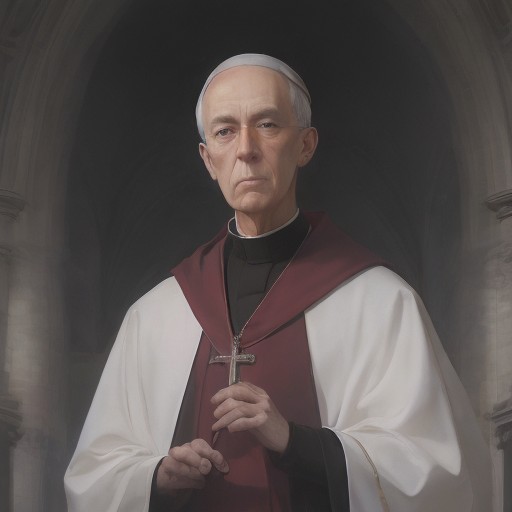
Archbishop Justin Welby’s Resignation: A Turning Point for the Church of England
In a stunning development that has sent ripples through the Church of England, Archbishop Justin Welby has tendered his resignation amidst mounting pressure and scrutiny over the church’s handling of the John Smyth abuse scandal. The Makin report has laid bare the failings of the institution, leading many to question the integrity of its leadership. Although Welby initially resisted calls to step down, the ongoing criticisms have forced his hand, marking a significant moment in the church’s history.
The John Smyth Scandal: A Legacy of Pain
The John Smyth abuse scandal has haunted the Church of England for decades, revealing a dark chapter that many hoped was behind them. Victims and their advocates have long criticized the church for its inadequate response to allegations of abuse, which have surfaced in shocking detail within the Makin report. The document highlights a culture of silence and complicity among church leaders, prompting outrage from survivors and their families. As the public outcry grows, Archbishop Welby’s resignation signals a desperate attempt to regain credibility and trust.
Who Will Fill the Archbishop’s Shoes? The Hypothetical Successors
With Welby’s departure, speculation is rife about who will succeed him as the next Archbishop of Canterbury. Several prominent figures are being mentioned, including the bishops of Norwich, Chelmsford, and Leicester. Each candidate brings unique qualities and perspectives that could reshape the church’s approach to safeguarding and accountability. The next archbishop will not only inherit the weight of these scandals but will also be tasked with implementing much-needed reforms.
Criticism and Accountability: The Church Under Fire
The fallout from Welby’s resignation is not limited to his leadership alone. The Church of England faces widespread condemnation for its handling of abuse cases, with calls for a thorough investigation into the actions of various bishops. The public’s demand for accountability is louder than ever, with many insisting that those complicit in the cover-ups must also face the consequences. Victims are rallying for justice, pushing the church to confront its past with transparency and sincerity.
The Transition Timeline: What’s Next for Welby?
Archbishop Welby is expected to fulfill his official duties until the Feast of the Epiphany on January 6, marking the end of an era for the Church of England. As he prepares to step down, the church is at a crossroads, needing to address not only the current crisis but also the systemic issues that allowed such scandals to fester. This transition period will be crucial in determining the church’s future direction and its commitment to reform.
Calls for Reform: The Imperative for Change
As the church grapples with its internal crises, there are increasing calls for a comprehensive rethink on the selection and responsibilities of the next Archbishop of Canterbury. Advocates for reform are emphasizing the urgent need for transformative change within the church, specifically in how it addresses safeguarding challenges and protects vulnerable individuals. The next leader must prioritize building a culture of accountability and openness, addressing the deep-rooted issues that have plagued the institution for far too long.
The Future of the Church of England: A Pivotal Moment
The resignation of Archbishop Justin Welby represents not just a personal decision but a pivotal moment for the Church of England as a whole. It raises critical questions about the future of the church and its ability to heal from the wounds of its past. As the church stands at this crossroads, the actions taken in the coming months will resonate for generations, shaping the legacy of leadership and the church’s response to abuse.
Public Reaction: The Voice of the People
Public reaction to Welby’s resignation has been mixed, with many expressing relief that a significant step has been taken towards accountability. Others, however, feel that this is merely a band-aid solution and that the church must go far beyond a change in leadership to address the systemic issues at play. Social media platforms have erupted with discussions surrounding the implications of this resignation, and many are calling for a more radical overhaul of church governance.
Expectations for the Next Archbishop: A Call for Visionary Leadership
The next Archbishop of Canterbury will face immense expectations as they step into a role that has been marred by controversy and pain. There is a growing sentiment that this new leader must not only be a spiritual guide but also a champion of reform, ensuring that the church becomes a safe haven for all. The next archbishop must transcend traditional expectations, embodying compassion, transparency, and a commitment to justice.
Conclusion: A Church at a Crossroads
As the Church of England grapples with the fallout from Archbishop Justin Welby’s resignation, the need for reform and healing has never been more urgent. The next Archbishop of Canterbury will hold the key to forging a new path forward, one that prioritizes accountability and the safety of its congregants. The choices made in this transitional period will shape not only the future of the church but also its role in society. Can the institution rise from the ashes of its scandals and become a beacon of hope and healing? Only time will tell, but the eyes of the world are watching closely.


