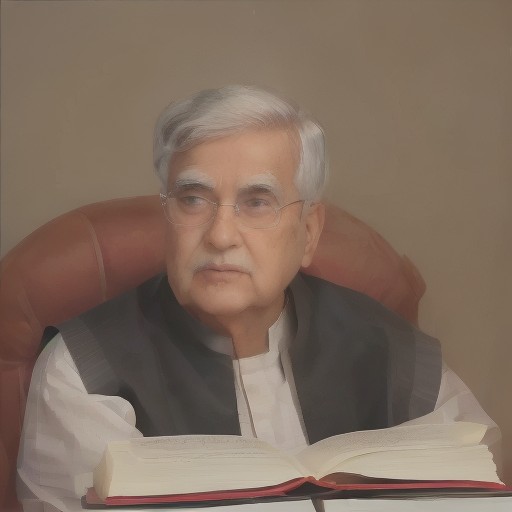
Introduction: A New Era in India’s Judiciary
In a moment that marks a significant turning point for India’s legal landscape, Chief Justice of India Sanjiv Khanna has officially taken the helm, succeeding CJI DY Chandrachud. With a short tenure of just six months until May 13, 2025, CJI Khanna’s ascension is not merely a transition but a clarion call for revolutionary reforms in the legal profession. His first day in office saw him presiding over an impressive 45 cases, a testament to his commitment and work ethic. But what does this new leadership mean for the future of law in India?
The Exodus of Young Talent: A Crisis in the Legal Profession
One of the most pressing concerns raised by CJI Khanna is the alarming exodus of young talent from the litigation practice. This trend has far-reaching implications for the legal system, which relies heavily on fresh perspectives and innovative approaches that young lawyers bring to the table. CJI Khanna has pinpointed the lack of financial and social security as a key factor driving this troubling trend.
In his inaugural remarks, he highlighted the urgent need to create a minimum remuneration standard for young advocates, especially those just starting their careers. This suggestion is not merely a bureaucratic formality; it reflects a deep understanding of the challenges faced by new entrants in the legal field. Without adequate financial support, many promising lawyers are forced to abandon their dreams of serving justice.
Revolutionizing Support for Young Advocates
CJI Khanna’s vision extends beyond mere remuneration; he aims to dismantle the entry-level barriers that plague aspiring lawyers. The current landscape often favors those with connections and resources, leaving talented individuals from less privileged backgrounds at a disadvantage. By promoting support systems for young lawyers, CJI Khanna is paving the way for a more equitable legal profession.
Recent developments in this arena have been promising. For instance, the Jharkhand cabinet has approved a significant measure to provide Rs 5 lakh medical insurance for approximately 30,000 lawyers in the state. This move, alongside an increase in pensions for advocates aged 65 and above, signifies a shift towards recognizing the welfare of legal professionals.
Responses and Reactions: A Mixed Bag
The initial reactions to CJI Khanna’s proposals have been varied. While many legal experts and young advocates have lauded his commitment to reform, skepticism remains. Critics argue that merely establishing remuneration standards won’t suffice; systemic changes are needed to ensure that young lawyers can thrive in a competitive environment.
Furthermore, some seasoned lawyers express concern that these reforms might lead to a dilution of traditional values in the legal profession. They worry that a focus on financial security could overshadow the essential dedication to justice and ethical practices that define the legal field.
Implications for the Future: A Call to Action
As CJI Khanna embarks on his journey to reshape the legal profession, the implications of his reforms could reverberate throughout India. A revitalized support system for young lawyers could lead to a surge in talent entering the field, fostering innovation and diversity within the judiciary. However, this progress will require collective effort from legal bodies, bar associations, and the government.
Moreover, if CJI Khanna’s proposals gain traction, they could set a precedent for other states to follow suit, potentially transforming the landscape of legal practice across the nation. This could create a ripple effect, encouraging young advocates to remain in the field, thereby enriching the quality of legal representation in India.
Conclusion: A Legacy in the Making
Ultimately, CJI Sanjiv Khanna’s tenure may well be defined by his ability to balance the scales between tradition and reform. His commitment to addressing the concerns of young advocates is a vital step toward revitalizing the legal profession. As he leads the Supreme Court of India, all eyes will be on his actions and decisions. Will he be able to transform the legal landscape, or will the challenges prove too great? The legal community, along with the general public, eagerly awaits the unfolding of this critical chapter in India’s judiciary.
With his focus on reform and support for young talent, CJI Khanna is not just stepping into the role of Chief Justice; he is positioning himself as a vanguard for change. His leadership could very well determine the future trajectory of the legal profession in India and inspire a new generation of advocates to rise and make their mark.


