
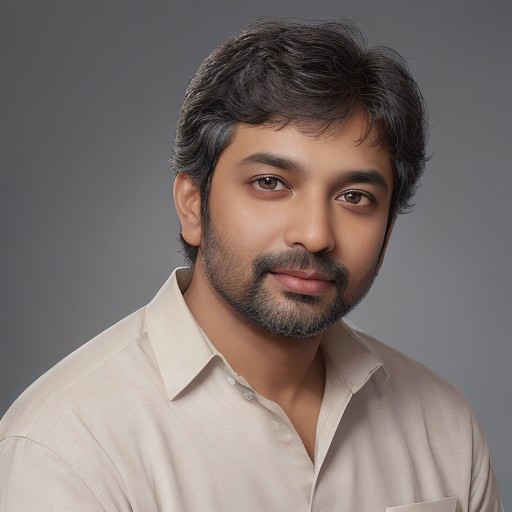
The Unforgettable Hero: Major Mukund Varadarajan
In the annals of Indian military history, few stories resonate as powerfully as that of Major Mukund Varadarajan. An esteemed officer of the Rajput Regiment, Major Varadarajan’s life was a tapestry woven with threads of bravery, sacrifice, and an unwavering commitment to his nation. His actions during a critical counterterrorism operation in Jammu and Kashmir not only showcased his valor but also culminated in him being posthumously awarded the Ashok Chakra, India’s highest peacetime military honor. This recognition, however, has not only ignited a sense of national pride but also sparked conversations around the complexities of heroism in contemporary society.
A Life of Valor: The Fateful Operation
Major Mukund Varadarajan’s bravery is encapsulated in a significant operation that unfolded in the conflict-ridden region of Jammu and Kashmir. Tasked with neutralizing a group of heavily armed terrorists, Varadarajan led from the front, demonstrating exemplary leadership and tactical acumen. His actions not only saved the lives of his men but also prevented a larger catastrophe that could have claimed numerous innocent lives.
During the operation, Varadarajan displayed a level of courage that is often reserved for legends. As bullets whizzed past him and chaos reigned, he remained steadfast and focused, embodying the spirit of a true soldier. His ultimate sacrifice, made in the line of duty, left an indelible mark on the hearts of his fellow soldiers and the nation he served.
Posthumous Honors: The Ashok Chakra
The Ashok Chakra, awarded to Major Varadarajan posthumously, is not just a medal; it is a symbol of the supreme sacrifice made by soldiers in the line of duty. This honor serves as a reminder of the perilous conditions faced by the armed forces in counterterrorism operations, particularly in volatile regions like Jammu and Kashmir. The award was presented to his family during a solemn ceremony, evoking tears of sorrow and pride in equal measure.
However, the recognition of such bravery brings forth a discourse about the broader implications of military honors. While many celebrate Varadarajan’s heroism, some question whether such accolades truly reflect the reality faced by soldiers on the ground. Are these honors merely symbolic, or do they serve to highlight the need for systemic changes in how we protect and support our armed forces?
The Cinematic Tribute: “Amaran”
In a world where stories of valor often find their way to the silver screen, Major Mukund Varadarajan’s life has been immortalized in the much-anticipated movie “Amaran.” Starring acclaimed actors Sivakarthikeyan and Sai Pallavi, the film delves into the intricacies of Varadarajan’s life—his struggles as a military officer, the internal conflicts between duty and family, and the ultimate sacrifice he made for his country.
The film’s portrayal of Varadarajan’s character has garnered significant attention and acclaim, with audiences praising its realistic depiction of the challenges faced by soldiers. Critics have lauded the film’s ability to balance action-packed sequences with emotional depth, making it a compelling tribute to a hero whose story deserved to be told.
Public Reactions: A Mixed Bag
While “Amaran” has been well-received, it has also sparked debates among viewers and critics alike. Some argue that the film serves to romanticize war and heroism, glossing over the harsh realities faced by soldiers and their families. This perspective raises important questions: Does cinema have the responsibility to portray the unvarnished truth of military life, or is it acceptable for films to embellish heroism for dramatic effect?
Furthermore, there are discussions around the implications of glorifying military figures in popular culture. While honoring heroes like Major Varadarajan is essential, some fear that such portrayals might contribute to a culture that glorifies violence and war, potentially influencing younger audiences in ways that are not entirely positive.
The Legacy of Major Varadarajan: More Than Just a Medal
The legacy of Major Mukund Varadarajan transcends the accolades he received during his lifetime and after his death. His story serves as an inspiration for countless individuals, especially young men and women who aspire to serve their country. His commitment to duty, family, and country embodies the ethos of the Indian Armed Forces.
Moreover, his life raises critical discussions about the support systems in place for soldiers and their families. As the nation honors Varadarajan, it is imperative to also consider the welfare of servicemen and women, many of whom face psychological and emotional challenges after returning from combat.
The Call for Change: Supporting Our Soldiers
As we reflect on the life and legacy of Major Mukund Varadarajan, it becomes evident that more needs to be done to support those who serve. Discussions surrounding mental health support, adequate training, and post-service care are paramount. The narrative surrounding military heroes must evolve to include not only their achievements but also the struggles they face, both on the battlefield and at home.
In light of this, the government and military organizations must prioritize the mental and emotional well-being of soldiers and their families. Initiatives aimed at providing psychological support, family counseling, and community outreach can significantly enhance the quality of life for those who have dedicated their lives to protecting the nation.
Conclusion: The Hero We Need to Remember
Major Mukund Varadarajan is not just a name in the history books; he is a symbol of courage, sacrifice, and the complex reality of military life. As “Amaran” continues to resonate with audiences, it serves as a reminder of the stories behind the medals and the lives that were irrevocably changed in the line of duty.
In honoring Varadarajan, we must strive to create a culture that not only celebrates military heroism but also acknowledges the sacrifices made by soldiers and their families. Let Major Varadarajan’s legacy ignite a conversation that leads to tangible changes in how we support our armed forces, ensuring that no hero is forgotten and every sacrifice is honored.


