
The Smog Crisis: Delhi’s Air Quality Hits New Lows
As the winter months descend upon India, the national capital, Delhi, is once again grappling with a severe air pollution crisis. Reports indicate that the air quality has plummeted, with the Air Quality Index (AQI) reaching alarming “severe-plus” levels, exceeding 400 on multiple days throughout November 2024. The consequences of this environmental disaster are far-reaching, affecting not just the health of Delhi’s residents but also creating significant disruptions at Indira Gandhi International Airport.
Visibility Issues: A Direct Impact on Flights
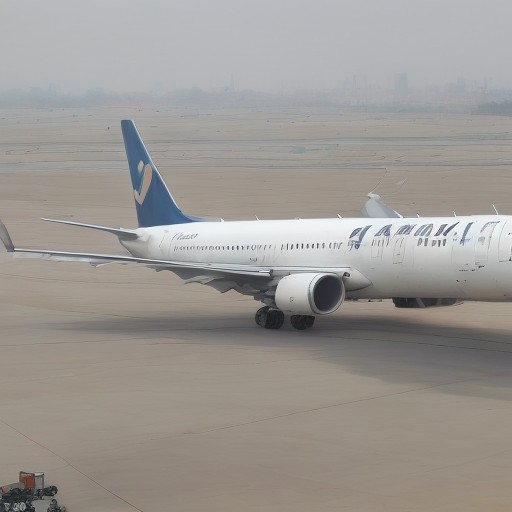
The thick smog blanketing Delhi has drastically reduced visibility, leading to operational challenges at the airport. On November 14, a staggering over 300 flights faced delays, with numerous flights being diverted to alternative airports like Jaipur and Ajmer. An Air India flight from Paris to New Delhi became one of the notable instances of this disruption, highlighting the extent of the chaos that ensued due to low visibility.
Flight diversions are not just an inconvenience; they represent a larger crisis where environmental conditions directly interfere with essential travel routes. Passengers are left stranded, confused, and frustrated, as their travel plans are thrown into disarray.
Airport’s Response: Coping with the Crisis
In response to the deteriorating conditions, Indira Gandhi International Airport activated low-visibility measures to mitigate the impact of the smog. These measures, however, have proven to be a significant operational challenge. Airports are designed to manage various weather conditions, but the severity of the smog in Delhi has pushed the limits of these protocols.
Officials at the airport have also announced plans to construct a temporary enclosure for passengers stranded due to delays in take-off. This move aims to provide some relief to those who are left waiting in limbo, but it raises questions about the long-term solutions to such recurring crises.
The Human Cost: Passenger Experiences
The impact of flight diversions and delays extends beyond mere inconvenience. Passengers, many of whom are traveling for important business meetings or family gatherings, find themselves at the mercy of the elements. Frustration levels soar as they navigate through the chaos of cancelled flights and long waiting times.
Social media has become a platform for passengers to express their grievances, with hashtags related to flight delays trending as people share their stories. The emotional toll on travelers has ignited discussions about the need for better infrastructure and contingency plans to handle such environmental challenges.
Environmental Implications: A Call to Action
This crisis serves as a wake-up call regarding the dire state of air quality in Delhi. With the AQI consistently hovering around dangerous levels, it begs the question: what steps are being taken to combat this persistent issue? The Delhi government and environmental agencies must take urgent measures to address air pollution, as the health of millions depends on it.
Moreover, the aviation industry’s dependence on favorable weather conditions highlights the pressing need for sustainable solutions. As climate change continues to exacerbate extreme weather events, cities like Delhi could see more frequent and severe disruptions, not just in air travel but in daily life.
Looking Ahead: Future of Air Travel in a Polluted Delhi
With the ongoing disruptions at Delhi airport, many are left pondering the future of air travel in such polluted conditions. If the air quality continues to decline, we may witness a shift in travel patterns, with travelers opting for alternative routes or even avoiding travel to Delhi altogether.
Furthermore, airlines may need to reconsider their operational strategies and invest in technologies that can withstand poor visibility and air quality conditions. As travelers become more aware of environmental issues, they may demand accountability and transparency from airlines regarding their responses to such crises.
The Bigger Picture: Air Quality and Public Health
The air quality crisis is not just about flight disruptions; it is intimately connected to public health. The high AQI levels pose serious health risks, particularly for vulnerable populations such as children and the elderly. The government must prioritize initiatives aimed at improving air quality and protecting citizens from the harmful effects of pollution.
Public awareness campaigns, stricter regulations on emissions, and investment in green technologies could help alleviate the situation. The time for action is now, as the health of Delhi’s residents and the viability of air travel hang in the balance.
Conclusion: A Call for Change
The current situation at Delhi’s Indira Gandhi International Airport is a stark reminder of the consequences of air pollution and poor visibility. With over 300 flights delayed and numerous diversions, the chaos at the airport highlights the urgent need for concerted efforts to tackle air quality issues in the capital.
As the AQI continues to fluctuate, it is essential for all stakeholders—government entities, airlines, and the public—to come together and advocate for sustainable solutions. The future of travel in Delhi depends on it.
Will the authorities take decisive action, or will we continue to witness these disruptions in the years to come? As we ponder the implications of this crisis, it is clear that change is not just necessary; it is overdue.



