
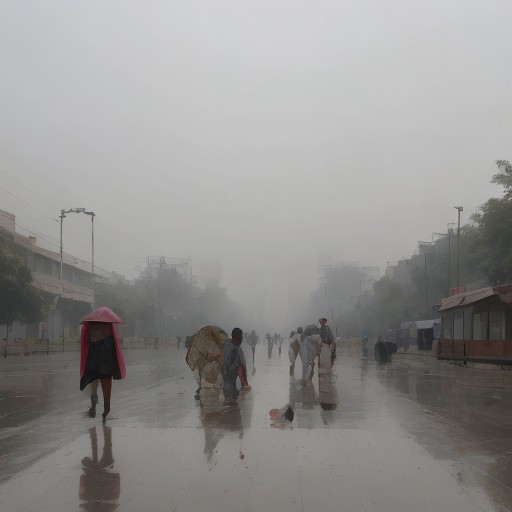
Delhi’s Ongoing Battle Against Severe Air Pollution
The weather in Delhi has become a pressing concern as the capital grapples with alarming levels of air pollution. As of November 24, 2024, the Air Quality Index (AQI) in Delhi stands at a staggering 286, classified as “Unhealthy.” This dire situation is exacerbated by particulate matter levels that have reached 122 µg/m³ for PM2.5 and 248 µg/m³ for PM10. With pollution levels fluctuating dangerously close to 373 (Severe), many neighborhoods, particularly Shadipur and Narela, are experiencing an acute health crisis.
The Graded Response Action Plan: A Step in the Right Direction?
In an effort to combat this escalating pollution nightmare, the Central Pollution Control Board (CPCB) and the Commission for Air Quality Management (CAQM) have activated stringent measures under the Graded Response Action Plan (GRAP) Stage III. These measures aim to control pollution levels, yet the effectiveness of these interventions remains a topic of heated debate among residents and environmentalists alike.
Current Weather Conditions: A Glimpse of Hope?
Amidst the haze of pollution, the current temperature in Delhi is a relatively cool 15.05°C, with a humidity level of 26%. While this might seem pleasant at first glance, the reality is that the weather forecast does not provide much relief. Experts suggest that no significant changes, including heavy rainfall, are expected in the near future. The optimism around clear weather predictions post-October 16 has dissipated as November progresses.
Artificial Rain: A Controversial Proposal
In a desperate attempt to alleviate the pollution crisis, the Delhi government has proposed the idea of artificial rain. This controversial measure has sparked a flurry of discussions among experts, many of whom caution against its implementation due to potential long-term consequences. Critics argue that instead of relying on unproven technological solutions, the government should focus on more sustainable and effective pollution control measures.
Work-from-Home Policies: A Necessary Evil?
To further combat the pollution crisis, the Delhi government has instituted a 50% work-from-home policy for both public and private sector employees. While this decision aims to reduce vehicular emissions, it raises questions about its overall effectiveness. Will this temporary measure lead to lasting change, or is it merely a band-aid solution for a much deeper issue?
Restrictions on Private Vehicles and Industrial Activities
In addition to the work-from-home policy, authorities are implementing restrictions on private vehicles, trucks, and industrial activities. These measures, while necessary, have also faced criticism for their potential impact on the economy and daily life. Residents are left to wonder: will these restrictions lead to significant improvements in air quality, or are they simply a stopgap measure?
The Daily Struggle: Impact on Residents
The severe pollution levels have resulted in a profound impact on daily life in Delhi. Reports of poor airport visibility have led to delays in flight and train services, causing frustration among travelers. Health advisories are rampant, urging residents to stay indoors, limit outdoor activities, and invest in air purifiers. For many, the simple act of stepping outside has become a gamble with their health.
Health Risks: A Silent Epidemic?
The health implications of Delhi’s air quality crisis cannot be overstated. Long-term exposure to high levels of pollution has been linked to respiratory illnesses, cardiovascular diseases, and even premature death. As the city continues to battle its pollution crisis, residents are left to ponder the long-term health effects of living in such an environment.
A Call for Community Action
As the weather in Delhi continues to be overshadowed by pollution, there is a growing call for community action. Residents and environmental activists are encouraging collective efforts to raise awareness and push for policy changes that prioritize clean air initiatives. Could grassroots movements be the key to holding authorities accountable and driving real change in Delhi’s air quality?
Looking Ahead: What Does the Future Hold?
With no immediate relief in sight, the future of Delhi’s weather and air quality remains uncertain. The ongoing measures have sparked a mix of hope and skepticism among residents. Will the government’s actions result in a tangible improvement in air quality, or will they continue to struggle under the weight of pollution? The conversation surrounding Delhi’s weather is far from over, and its implications extend beyond just the capital, affecting the entire nation.
Conclusion: The Time for Change is Now
The crisis facing Delhi’s air quality is a complex issue that requires urgent attention and innovative solutions. As the city navigates this turbulent period, it is crucial for residents, policymakers, and experts to come together to forge a path towards cleaner air and a healthier future. The weather in Delhi may be a reflection of the city’s challenges, but it also serves as a rallying point for change. Only time will tell if the measures currently being implemented will lead to a brighter, cleaner future for the people of Delhi.


