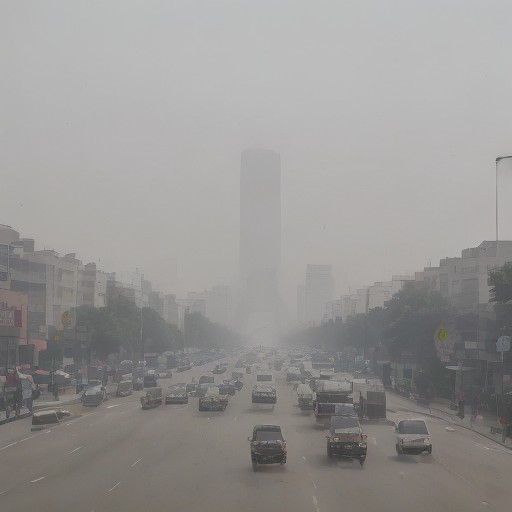
The Ongoing Air Quality Nightmare in Delhi
As the sun sets over the bustling capital of India, a grim reality looms in the air—Delhi’s air pollution levels have reached alarming heights yet again. On November 24, 2024, the overall 24-hour average Air Quality Index (AQI) soared to a staggering 318 at 4 p.m., a shocking decline from the previous day’s 412. These figures are more than just numbers; they are a wake-up call for the millions living in this vibrant metropolis, signaling an urgent need for action.
Real-Time Monitoring: A Snapshot of Despair
Recent real-time monitoring reveals a bleak picture of Delhi’s air quality. Locations across the city are reporting AQI levels that fall into the “very unhealthy” category. Mundka stands as the most affected area, with a jaw-dropping AQI of 489. Other areas like Anand Vihar (385), Punjabi Bagh (332), Satyawati College (318), and Pooth Khurd, Bawana (316) are not far behind. These figures paint a horrific yet necessary portrait of the air we breathe.
The Health Implications: A Silent Epidemic
The repercussions of such high AQI levels are dire, particularly for vulnerable populations. Dr. Anurag Agrawal, dean of biosciences at Ashoka University, warns that the current pollution levels are inflicting damage on the lungs of all residents. “This isn’t just a respiratory issue; it’s a ticking time bomb for public health,” he states, underscoring the reality that every breath taken in Delhi could be contributing to long-term health problems.
Government Responses: Bans and Backlash
In a desperate attempt to combat this escalating crisis, the government has imposed a ban on construction activities across Delhi-NCR. While this move aims to reduce dust pollution and other harmful emissions, it has left countless blue-collar workers without jobs. The resulting economic fallout raises questions about the effectiveness of such measures. Are we trading short-term air quality improvements for long-term economic despair?
Environmental and Economic Dilemmas
As Delhi grapples with this conundrum, the debate intensifies. On one hand, the need for immediate action to safeguard public health is undeniable. On the other, the livelihoods of thousands hang in the balance, leading to a contentious dialogue between environmental protection and economic stability. Activists argue that a holistic approach is necessary—one that not only addresses air quality but also provides alternative employment opportunities for those affected by construction bans.
What’s Driving This Pollution Crisis?
Understanding the root causes of Delhi’s air pollution is essential for finding effective solutions. The city is no stranger to vehicular emissions, industrial discharges, and seasonal agricultural burning. However, the rapid urbanization and population growth have exacerbated the situation. According to experts, factors like increased vehicle density and lack of effective waste management contribute significantly to the toxic air we now take for granted.
Public Response: Voices from the Ground
The public’s reaction to the air quality crisis has been one of frustration and concern. Social media platforms are buzzing with posts highlighting the dire situation, with hashtags like #BreatheEasyDelhi trending as residents demand accountability from their leaders. “We can’t keep ignoring this problem,” says Priya Sharma, a local resident and environmental activist. “Our children are suffering, and we need real solutions, not just temporary fixes!”
Immediate Solutions: What Can Be Done?
While the situation seems bleak, experts suggest that immediate and sustainable measures could still change the course of Delhi’s air quality crisis. Some potential solutions include:
- Enhancing Public Transport: Investing in public transport systems could reduce the number of vehicles on the road, lowering emissions significantly.
- Promoting Green Spaces: Expanding green areas within the city can help absorb pollutants and provide cleaner air.
- Implementing Stringent Regulations: Enforcing stricter regulations on industries and construction sites can minimize dust and emissions.
- Public Awareness Campaigns: Educating residents about pollution and encouraging eco-friendly practices can foster a collective effort towards cleaner air.
The Future of Delhi’s Air Quality: A Call to Action
The current air pollution crisis in Delhi is not just a problem for today—it’s a harbinger of what is to come if we fail to act. Residents, experts, and activists alike recognize the urgent need for change. With the government’s recent ban on construction activities, the time has come to reevaluate our priorities. Will we continue to ignore the signs, or will we rise to the challenge and fight for a cleaner, healthier future for our city?
Conclusion: Breathing Life into Solutions
As we face one of the gravest public health crises of our time, the question remains: how long can we afford to turn a blind eye to the air pollution that surrounds us? The need for a multi-faceted approach that balances health, environment, and economic stability is clearer than ever. It’s time for all stakeholders—government, industries, and citizens—to come together and take decisive action. After all, our very lives depend on the air we breathe, and in the face of such adversity, we must not only demand change but also be the change.


