
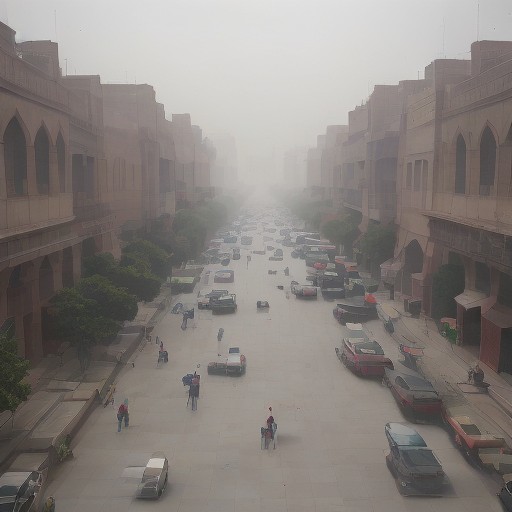
Delhi’s Deteriorating Air Quality: A Wake-Up Call for Citizens
As we step into the winter months, Delhi’s air quality is plummeting to shocking lows, with the Air Quality Index (AQI) reaching dangerously high levels. On November 24th, the 24-hour average AQI in Delhi was reported at an alarming 382, teetering on the edge of the very poor to severe category. Certain areas have even exceeded the 400 mark, a threshold that raises red flags for public health and safety.
The Recent AQI Trends: An Unforgiving Reality
For weeks, the national capital has been grappling with air quality categorized as very poor. Just a day prior, on November 23rd, the AQI hit 334, while November 22nd recorded an AQI of 352. These numbers are not just statistics; they represent the daily struggle of millions of residents who are forced to breathe air laden with pollutants.
Monitoring stations across the city have reported severe air quality, particularly in areas like Anand Vihar, Bawana, and Rohini, where AQI levels soared above 400. This alarming status has led experts and officials to declare a public health crisis, urging immediate action.
GRAP 4 Restrictions: A Necessary Measure or an Overreaction?
In response to the escalating pollution levels, the Delhi government has activated Stage IV of the Graded Response Action Plan (GRAP). This includes stringent measures such as:
- Banning diesel vehicles from the roads
- Restricting non-essential trucks
- Halting construction activities
- Encouraging companies to implement work-from-home policies
While these restrictions aim to mitigate pollution in Delhi, they have sparked a debate among citizens. Some argue that these measures are essential for public health, while others fear the economic repercussions and the disruption to daily life. With Delhi schools closed and universities shifting to online classes, the impact of these restrictions is palpable.
Health Implications: A Medical Emergency
The severe air pollution situation poses significant health risks, particularly for vulnerable populations, including children, the elderly, and those with pre-existing health conditions. The Delhi government has aptly termed the situation a “medical emergency”, urging institutions to adopt preventive measures to protect public health.
As the pollution level in Delhi continues to rise, citizens are left to navigate the implications on their health, with many experiencing exacerbated symptoms such as respiratory issues, headaches, and fatigue. The need for awareness and proactive measures has never been more critical.
Recent Actions: A City in Crisis
In light of the deteriorating air quality, Delhi University has taken significant steps by transitioning to online classes until November 23. This decision reflects the urgency of the situation and the need to prioritize student safety amidst the hazardous conditions.
Moreover, the Indira Gandhi International Airport has issued advisories due to low visibility caused by thick smog and rising air pollution. Flights have been affected, prompting concerns from travelers and raising questions about the effectiveness of existing pollution control measures.
The Broader Implications: What Lies Ahead?
As Delhi grapples with its air quality crisis, the situation raises pressing questions about the long-term implications for the city. Urban pollution has reached levels that not only affect daily life but also threaten the overall health of its residents. The government’s response, while necessary, may lead to public backlash if the economic impact becomes too severe.
Many are now calling for more sustainable solutions to combat pollution, such as promoting renewable energy sources, enhancing public transportation, and implementing stricter emissions regulations on industries. As the capital of India, Delhi’s air quality crisis could serve as a litmus test for how the country addresses environmental issues moving forward.
Public Reaction: A Divided Opinion
The public reaction to the ongoing pollution levels and the GRAP 4 restrictions has been mixed. While many appreciate the government’s decisive actions, others express frustration over what they perceive as a lack of long-term planning to address the root causes of pollution. The Delhi pollution news has dominated headlines, with citizens calling for accountability and more robust policies to ensure cleaner air.
Critics of the GRAP 4 restrictions argue that while immediate measures are necessary, the government should also focus on creating sustainable solutions that will lead to lasting improvements in air quality. The dialogue around Delhi’s air quality is becoming increasingly important as residents seek clarity and effective strategies to combat this ongoing crisis.
What Can You Do? Taking Action for Cleaner Air
As individuals, there are steps we can take to protect ourselves and advocate for cleaner air. Here are a few actions you can consider:
- Stay informed about the AQI in Delhi today and adjust your outdoor activities accordingly.
- Use air purifiers at home to reduce indoor pollution levels.
- Limit vehicle use and opt for public transportation or carpooling when possible.
- Advocate for cleaner policies by engaging with local government representatives.
Every small action contributes to a larger movement towards cleaner air in Delhi. By staying informed and proactive, citizens can play a crucial role in combating air pollution and protecting public health.
Conclusion: The Time for Action is Now
The current state of Delhi’s air quality is a stark reminder of the urgent need for action against pollution. With the AQI fluctuating dangerously and the health risks mounting, the situation is dire. The implementation of GRAP 4 restrictions is a step in the right direction, yet it is just the beginning of a much larger conversation about sustainable solutions.
As we move forward, let us not forget the significance of collective action and the potential for change. It is time for the people of Delhi to unite and demand cleaner air, healthier lives, and a sustainable future for generations to come.


