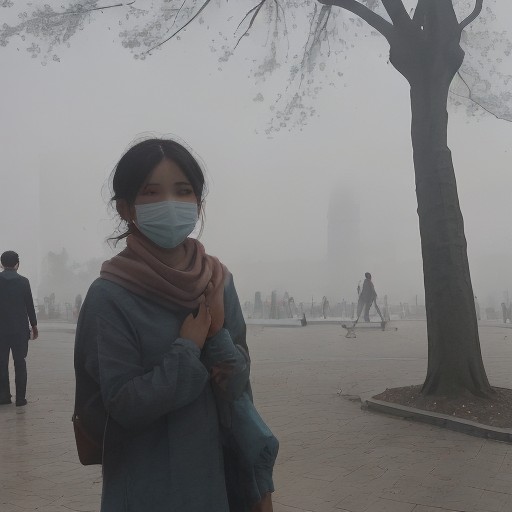
Delhi’s Air Quality Today: A Deteriorating Situation
As of November 24, 2024, the air quality in Delhi has reached alarming levels, with the Air Quality Index (AQI) reported at a staggering 334, classified as “very poor.” This is a slight improvement from the previous day’s shocking 382, the worst reading in the country for that day. However, despite the minor improvement, the air quality remains a pressing concern for residents, authorities, and environmentalists alike.
The Recent AQI Trends: A Glimpse into the Crisis
Over the past few days, the AQI levels in Delhi have been nothing short of dire:
- Sunday, November 24: AQI peaked at 382, with multiple monitoring stations recording “severe” air quality levels.
- Tuesday, November 20: AQI was reported at 334, primarily driven by vehicular emissions, contributing 15.4% to the pollution levels.
- Monday, November 19: AQI levels soared to 352, with four monitoring stations indicating “severe” conditions.
- Saturday, November 23: A brief respite was noted as AQI dipped to 351 at 6 PM from an earlier reading of 358, although it still classified as “very poor.”
Understanding the Contributing Factors
The factors behind Delhi’s persistent air quality crisis are multifaceted. One of the major contributors is vehicular emissions, which alone accounted for 15.4% of the pollution levels on November 20. With millions of vehicles on the roads, the impact is substantial. The ongoing debate surrounding the Odd-Even scheme—a traffic management policy aimed at reducing congestion and emissions—has reignited discussions on its effectiveness in curbing pollution.
The Odd-Even Scheme: A Controversial Solution
The Odd-Even scheme has been a contentious topic in Delhi’s fight against air pollution. Initially introduced as a temporary measure, it bans vehicles with odd and even license plates from the roads on alternate days. While some praise its potential to alleviate traffic and lower emissions, critics argue it is merely a band-aid solution that fails to address the root causes of pollution.
As air quality continues to deteriorate, many are questioning whether the Odd-Even scheme is effective enough. Is it time for more drastic, long-term solutions? Could online platforms be leveraged to educate citizens about air quality and encourage sustainable practices?
Health Implications: A Growing Concern
The “very poor” AQI levels in Delhi do not just signify bad news for the environment; they pose serious health risks. Exposure to such levels of pollution is linked to respiratory diseases, cardiovascular problems, and even premature deaths. Vulnerable populations, such as children and the elderly, are particularly at risk. The alarming statistics surrounding health issues related to pollution are hard to ignore, prompting many to advocate for more stringent measures.
Public Reaction: Voices from the Ground
As Delhi grapples with its pollution crisis, public sentiment is a blend of frustration and urgency. Social media platforms are abuzz with discussions about the government’s ineffective measures and the personal impact of the city’s air quality. Many residents express their worries about venturing outdoors and the potential long-term health consequences for their families.
“Every winter, it’s the same story. We are left to deal with the consequences of poor planning,” laments Anjali, a local resident. “How many more years will we have to endure this?”
Government Response: Actions or Inaction?
The government’s response to the ongoing air quality crisis has been met with skepticism. While there are measures in place, such as the Odd-Even scheme and public awareness campaigns, many believe these efforts fall short of what is required. Critics argue that without a comprehensive plan addressing industrial emissions, construction dust, and vehicular pollution, Delhi’s air quality will remain a chronic issue.
Implications for Travel and Transportation
The pollution levels in Delhi don’t just affect the health of its residents; they also have broader implications for travel and transportation. With increasing AQI levels, many travelers are concerned about flight disruptions. The flight status at Indira Gandhi International Airport can be influenced by poor air quality, leading to delays and cancellations. This trend raises questions about whether authorities are doing enough to ensure the safety and well-being of passengers.
Looking Ahead: Potential Solutions and Innovations
As the crisis deepens, there is a need for innovative solutions to combat air pollution. From investing in public transportation systems to promoting electric vehicles, the options are plenty. Additionally, increasing public awareness through online campaigns can empower citizens to take action in their communities.
Moreover, collaboration between government bodies, NGOs, and the private sector can lead to effective strategies that address pollution holistically. It is imperative to foster a collective responsibility among all stakeholders to combat this pressing issue.
Conclusion: A Call to Action
Delhi’s air quality crisis is a wake-up call for everyone. As we witness the alarming AQI levels, it is essential to engage in discussions about our role in safeguarding the environment. The time for complacency has long passed; we must demand accountability from our leaders and take personal responsibility for our actions.
As the situation unfolds, residents of Delhi must unite in advocating for sustainable solutions. The fight against pollution is not just about cleaner air; it’s about ensuring a healthier future for generations to come. Will you join the movement for change?


