
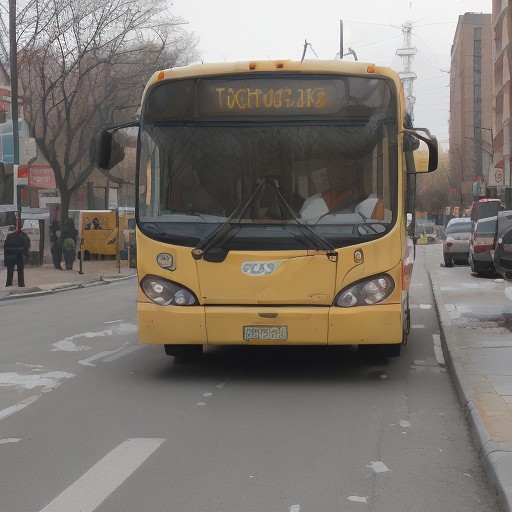
Delhi’s Public Transport at a Crossroads: The DTC Bus Strike Explained
As the bustling streets of Delhi prepare for yet another potential transportation crisis, the looming threat of a DTC bus strike has left commuters on edge. With the Delhi Transport Corporation (DTC) being a backbone of public transportation in the capital, any disruption in its services could lead to chaos for millions of daily travelers. As of November 2024, the air is thick with speculation, and the city is bracing itself for what might unfold.
The Background: Why a DTC Bus Strike is on the Horizon
The DTC has been facing several challenges that have led to discontent among its employees. From inadequate wages and poor working conditions to long hours and limited job security, the grievances have been piling up like the city’s infamous traffic jams. Recent reports indicate that union leaders are rallying their members, warning that if their demands are not met, a strike could be imminent.
In a city where approximately 3 million passengers rely on DTC buses daily, the consequences of a strike could be staggering. Commuters would be forced to seek alternative modes of transportation, contributing to an increase in congestion and pollution levels. The ramifications extend beyond mere inconvenience; they touch on the economic stability of Delhi as a whole.
What Are the Key Issues Behind the Strike?
At the heart of the DTC bus strike lies a range of issues that have been festering for years:
- Wage Inequality: Employees have voiced concerns over their salaries, which they believe do not reflect the rising cost of living in the city. Many workers feel undervalued and underpaid, leading to low morale and high turnover rates.
- Working Conditions: Reports of overcrowded buses, insufficient breaks, and unsafe working environments have surfaced, prompting calls for reform.
- Lack of Job Security: With the rise of technology and alternative transport services, many DTC employees fear for their jobs. The uncertainty surrounding their employment status has fueled tensions.
The Impact of Past Strikes: A Cautionary Tale
Delhi’s history is replete with instances of public transport strikes, each leaving a mark on the city’s psyche. In 2019, a DTC strike led to a significant disruption, with many commuters stranded and businesses suffering losses. The city witnessed a surge in rickshaw fares and an overwhelming demand for private vehicles, creating a ripple effect that affected not just transportation but also the overall economy.
As the potential strike looms, it is crucial to remember the chaos that ensued during those previous events. With traffic already a nightmare in Delhi, the thought of thousands of buses off the road is enough to send shivers down the spine of daily commuters.
Public Reaction: The City Divided
While some commuters empathize with the employees’ plight, others express frustration at the potential disruption. Social media is abuzz with opinions, with hashtags like #DTCBusStrike trending as citizens voice their concerns. The public is caught in a tug-of-war between understanding the needs of the workers and the inconvenience that a strike would create.
“I understand they deserve better pay, but I can’t afford to be late for work every day,” one commuter lamented on Twitter. The sentiment echoes across the city, highlighting a growing divide between workers advocating for their rights and everyday citizens who rely on the buses to get to work and school.
Government’s Response: Are They Listening?
In response to the escalating tensions, the Delhi government has promised to engage in dialogue with union leaders. However, many remain skeptical about the effectiveness of these discussions. Past promises have often resulted in little more than empty words, leaving employees feeling unheard and unvalued.
The government must take decisive action to address the core issues at hand. By improving wages, enhancing working conditions, and ensuring job security, the administration could potentially avert a strike and restore faith in the DTC as a reliable mode of transport.
Future of DTC: A Call for Reform
The imminent threat of a strike serves as a wake-up call for policymakers and the DTC management. Now is the time for comprehensive reforms that address the systemic issues plaguing the organization. Enhanced salaries, better working conditions, and job security measures are not just demands; they are vital for ensuring the long-term sustainability of public transport in Delhi.
Moreover, investment in technology and infrastructure could modernize the DTC, making it more efficient and appealing to commuters. As alternatives to public transport continue to emerge, the DTC must adapt or risk becoming obsolete in a rapidly changing urban landscape.
What Can Commuters Do?
For now, commuters are left in limbo, with uncertainty hanging over their daily routines. However, there are steps they can take to prepare for the potential fallout from a DTC bus strike:
- Stay Informed: Follow local news sources and the DTC’s official social media channels for real-time updates on the situation.
- Plan Alternatives: Consider carpooling, using app-based ride services, or exploring other public transport options to mitigate the impact of a strike.
- Voice Your Opinion: Engage in discussions on social media platforms and local forums to express your views on the strike and the need for reforms within the DTC.
Conclusion: The Clock is Ticking
As we stand on the brink of yet another potential DTC bus strike, the city of Delhi holds its breath. The stakes are high, and the implications are far-reaching. Will the government heed the call for reform, or will commuters find themselves stranded in a city that thrives on movement? The next few weeks will be crucial in determining the future of public transport in Delhi and the fate of its millions of daily commuters.
In the face of impending chaos, one thing remains clear: the time for change is now. As the DTC grapples with its internal challenges, the hope is that it emerges stronger, ensuring that the buses of Delhi continue to roll smoothly through the city’s vibrant streets.


