
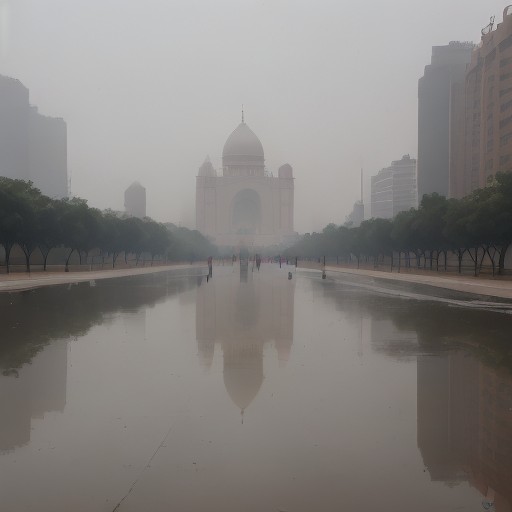
The Current Weather Snapshot in Delhi
As the capital of India, Delhi is no stranger to extreme weather conditions and fluctuating air quality. As of this morning, the city is experiencing a minimum temperature of 12 degrees Celsius, with a maximum expected to reach around 28 degrees Celsius. The humidity level is hovering at a staggering 75 percent, creating an atmosphere that feels heavy and somewhat stifling. Reports of shallow fog during the early morning hours add to the mystique of this bustling metropolis, shrouding it in a veil of uncertainty.
Air Quality in Crisis: A Deepening Concern
However, the real story lies not just in the temperature, but in the air quality that has left residents gasping for clean air. The Air Quality Index (AQI) has plummeted to alarming levels, recording a shocking 357 at 8 AM today, categorizing it as ‘very poor’. Such numbers raise critical questions about public health and environmental policies in one of the most populated cities in the world.
To put things into perspective, other locations in Delhi have reported even worse air quality. For instance, Vivek Vihar registered an AQI of 399, while Nehru Nagar hit a staggering 403. Not far behind, ITO reported 317, and Chandni Chowk stood at 349. These figures paint a grim picture, indicating that the air quality is not just poor, but perilously close to ‘severe’ levels.
Health Implications: Breathing Difficulties on the Rise
The consequences of such hazardous air quality are already evident. Residents across the city are reporting increasing instances of breathing difficulties, alongside other health issues. Children, the elderly, and those with pre-existing health conditions are particularly vulnerable, making it imperative for authorities to take immediate action.
Local hospitals are bracing for a surge in patients suffering from respiratory ailments, and health experts are warning that prolonged exposure to such poor air quality can lead to serious long-term health effects, including chronic respiratory diseases and cardiovascular problems.
The Smog Situation: A Veil of Negativity
The dense smog, which has been a recurring theme in Delhi’s winter months, is not just an inconvenience; it’s a public health crisis. With a mix of fog and pollution blanketing the Delhi-NCR area, visibility has been severely compromised, leading to significant delays in flights and trains. This disruption has left many commuters frustrated and anxious, as they navigate their daily routines in an environment that feels increasingly hostile.
Furthermore, the combination of smog and fog has created a hazardous situation for motorists, who are advised to drive with extreme caution. The visibility issues can lead to accidents, making the roads even more treacherous than usual.
Public Reaction: A Call for Change
In light of these alarming conditions, public sentiment is shifting. Many residents are voicing their frustrations on social media, calling for immediate action from the government to address the persistent air pollution problem. Some are demanding stricter regulations on vehicular emissions and industrial discharges, while others are advocating for more green spaces to help combat the pollution.
There’s a growing sentiment that the government has not done enough to mitigate the air quality crisis. Activists are rallying for more transparency and accountability from local authorities, urging them to prioritize public health over industrial growth. The call for change is loud and clear, and residents are increasingly unwilling to accept the status quo.
Potential Solutions: Can Delhi Breathe Again?
The question on everyone’s mind is: what can be done to improve the situation? Experts suggest a multi-faceted approach to tackle Delhi’s air quality crisis. This includes:
- Promoting Public Transport: Enhancing the public transportation system can significantly reduce the number of vehicles on the road, thus lowering emissions.
- Implementing a Car Pooling System: Encouraging carpooling among residents can also help reduce the number of cars, leading to less traffic and cleaner air.
- Increasing Green Spaces: Planting more trees and creating parks can help absorb some of the pollutants, improving air quality.
- Government Regulations: Implementing stricter regulations on industries and construction sites can reduce dust and emissions.
Conclusion: The Fight for Clean Air
As Delhi grapples with its weather dilemma, the key takeaway is that the battle for clean air is far from over. With the current weather conditions leading to a perfect storm of pollution and health risks, it’s crucial for residents to stay informed and proactive. From advocating for policy changes to adopting personal habits that promote cleaner air, the responsibility lies with both the government and the citizens.
As the fog and smog continue to envelop the city, one thing is clear: Delhi must find its way back to breathing freely. The time for action is now, and it’s up to all of us to ensure that future generations can enjoy the beauty of this vibrant city without the shadow of pollution looming over them.


