The Temperature Surge: A New Normal for Delhi?
As of November 14, 2024, residents of Delhi are grappling with a dramatic surge in temperatures, marking a stark deviation from the seasonal norms. Reports indicate that the city is experiencing warmer than usual conditions, raising eyebrows and concerns across the board. The average temperature in Delhi, traditionally expected to hover around the mid-teens during this time of year, is now consistently pushing the limits, reaching nearly 22.2°C in misty conditions.
This unexpected warmth has sparked discussions among meteorologists and climate scientists about the impacts of climate change on urban weather patterns. Could this signal the onset of a new climate trend for the capital? As citizens adjust to this unusual weather, the implications for health, energy consumption, and daily life are becoming increasingly apparent.
Rain and Thunderstorms: Nature’s Fury Unleashed
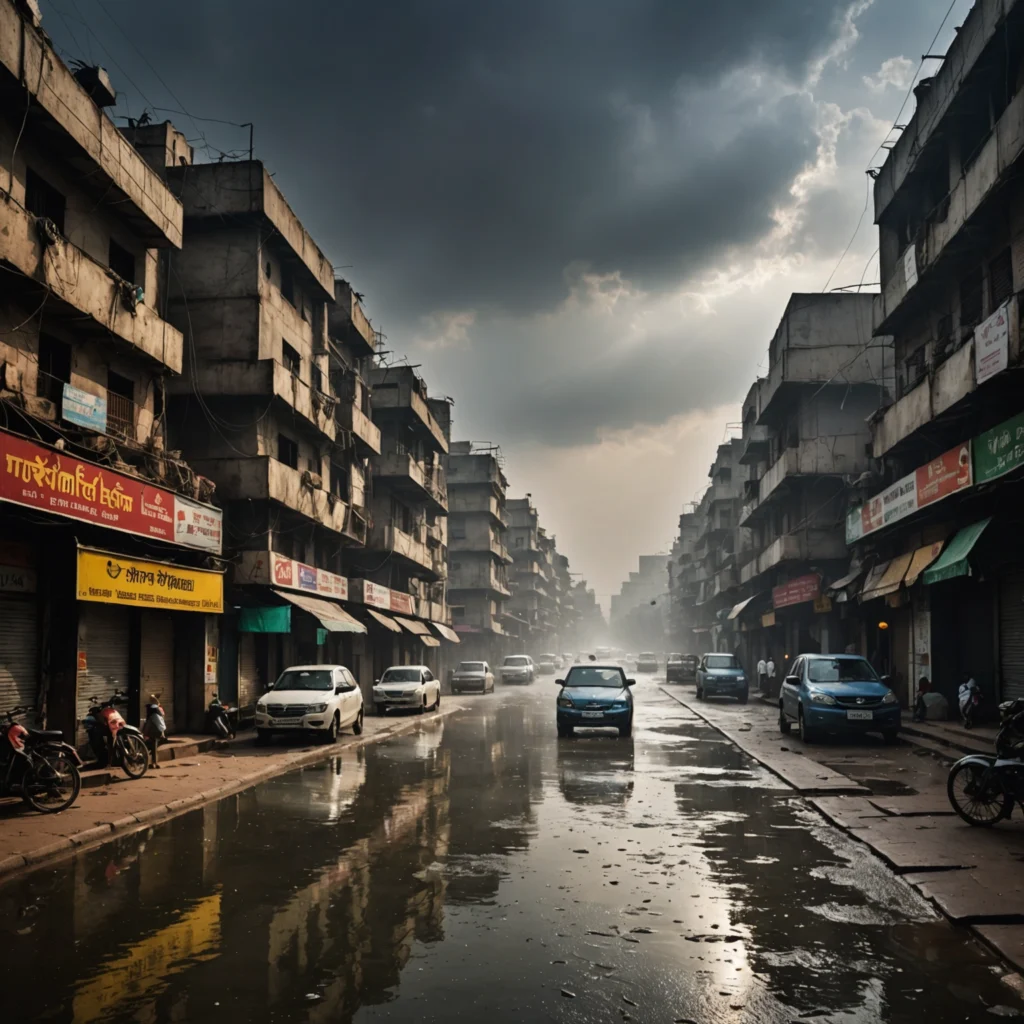
Just yesterday, the skies above Delhi unleashed a deluge, with heavy rainfall coupled with thunderstorms wreaking havoc across the National Capital Region (NCR). The intense downpour led to severe waterlogging in many areas, causing significant traffic congestion and disrupting daily commutes. Witnesses reported lightning strikes illuminating the skies, adding a dramatic twist to the already chaotic weather.
Such extreme weather events are becoming more frequent, leaving many to wonder if this is a sign of things to come. With the monsoon season becoming increasingly unpredictable, experts are urging residents to stay informed and prepared for similar occurrences in the future.
A Looming Air Quality Crisis
In addition to the temperature and rainfall concerns, Delhi’s air quality has reached alarming levels. The city is grappling with hazardous air conditions marked by extremely high concentrations of fine particulate matter (PM 2.5) and larger particulate matter (PM 10). This dire situation has prompted city authorities to take drastic measures, including the closure of all primary schools in an effort to protect the health of children and vulnerable populations.
The air quality index (AQI) readings have become a daily source of anxiety for residents, with many questioning the effectiveness of government interventions and long-term solutions to combat pollution. The recent surge in temperature, combined with stagnant weather patterns, has exacerbated the pollution problem, trapping harmful particles close to the ground and making breathing a struggle for many.
The Current Weather Snapshot: A Complex Climate Puzzle
The current weather conditions in Delhi paint a picture of complexity. With a temperature of 22.2°C and humidity levels soaring at 89%, the city is enveloped in a misty haze. Calm winds offer little relief, leading to a stifling atmosphere that many find uncomfortable. How long can residents endure these conditions?
While the immediate effects of this weather pattern are concerning, the broader implications for public health and urban infrastructure cannot be ignored. With traffic snarled and outdoor activities curtailed, the daily lives of millions are being disrupted. Moreover, the threat of respiratory issues from pollution poses a serious health risk, particularly among children and the elderly.
Community Reactions: A City on Edge
As Delhiites navigate the challenges brought on by this turbulent weather, community reactions are mixed. Some residents express frustration with the government’s failure to address the root causes of pollution and climate change, while others are more focused on adapting to the immediate challenges posed by the current weather.
Social media platforms are abuzz with discussions about the government’s response to the air quality crisis, with many calling for more stringent regulations on emissions and greater investment in green technologies. The sentiment is clear: residents are ready for change, but will those in power listen?
Looking Forward: What Lies Ahead for Delhi’s Weather?
The convergence of rising temperatures, erratic rainfall, and deteriorating air quality points to a concerning future for Delhi. Experts warn that unless significant measures are taken to mitigate climate change and improve air quality, the capital may face even more extreme weather events in the coming years.
As we look ahead, the question remains: can Delhi adapt to these challenges, or will it continue to be at the mercy of nature’s whims? The answer may lie in the collective actions of its residents, policymakers, and environmental advocates.
Final Thoughts: A Call to Action
Delhi’s current weather situation is more than just a seasonal anomaly; it’s a wake-up call for all of us. The intersection of climate change, urbanization, and pollution is creating a perfect storm that threatens the health and well-being of millions. It is imperative that residents, alongside government officials and organizations, come together to address these pressing issues.
As we navigate this increasingly turbulent climate, let us not forget the power of community and the importance of taking action. Whether it’s advocating for cleaner air, supporting sustainable practices, or simply staying informed, every effort counts. The future of Delhi’s weather is uncertain, but one thing is clear: change is not just necessary; it is inevitable.


