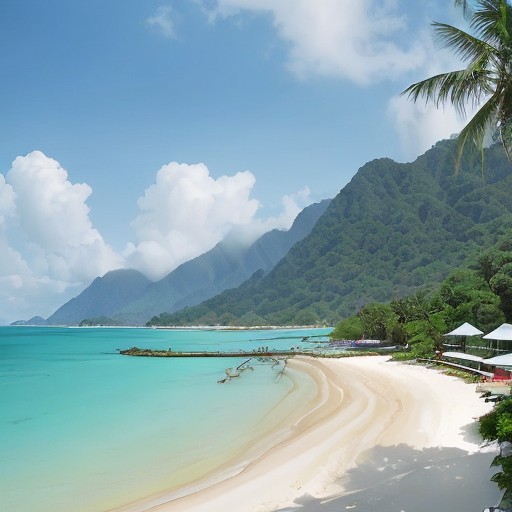
Langkawi: An Archipelago of Wonders
Nestled in the Andaman Sea off the coast of Kedah, Malaysia, Langkawi is a breathtaking archipelago comprising 99 islands, each a treasure trove of natural beauty and cultural heritage. Known for its pristine beaches, lush rainforests, and diverse wildlife, Langkawi has become a beacon for tourists seeking adventure, relaxation, and the exquisite charm of Southeast Asia. Its stunning landscapes and rich biodiversity make it not just a travel destination, but a vital part of Malaysia’s identity.
The Allure of Langkawi’s Attractions
Tourists flock to Langkawi for its myriad attractions. From the iconic Langkawi Sky Bridge to the mesmerizing island-hopping tours, there’s something for everyone. The Sky Bridge, suspended high above the ground, offers breathtaking views of the island’s lush landscapes and the vast Andaman Sea. Thrill-seekers can also indulge in activities like jet skiing, parasailing, and snorkeling in the crystal-clear waters that surround the islands.
Langkawi’s natural wonders are complemented by its rich cultural tapestry. Visitors can explore the traditional Malay villages, savor local cuisine at bustling night markets, or learn about the island’s history at the Langkawi Craft Complex. Each experience reveals another layer of the enchanting story that Langkawi has to tell.
Langkasuka Development: A New Chapter for Langkawi?
As tourism continues to flourish, the future of Langkawi is also taking shape through ambitious development projects. Recently, the RM40 billion Langkasuka development project has been a topic of much discussion. This private partnership, initially between the Bin Zayed International (BZI) Group and Widad Business Group Sdn Bhd, aims to enhance Langkawi’s infrastructure and offer new attractions to tourists.
Despite the BZI Group’s surprising withdrawal from the project, the Kedah state government remains optimistic. Officials have assured the public that the state will not incur any losses, sparking debate among residents and stakeholders about the viability and future implications of the project. Will the absence of BZI Group hinder the development, or will Widad Business Group rise to the occasion?
The Economic Impact of Tourism
The tourism industry is a cornerstone of Langkawi’s economy, contributing significantly to the livelihoods of its residents. With millions of visitors each year, the demand for services and accommodations has skyrocketed, creating jobs and opportunities for local businesses. However, the rapid growth of tourism also raises questions about sustainability and the preservation of Langkawi’s unique environment.
Critics of the Langkasuka project and other developments fear that unchecked growth could lead to environmental degradation and cultural erosion. The delicate balance between economic development and environmental preservation is a hot-button issue, inviting passionate discussions among locals, environmentalists, and policymakers.
Air Connectivity: Gateway to Paradise
Langkawi’s accessibility plays a crucial role in its popularity as a tourist destination. The Langkawi International Airport serves as a major hub for domestic and regional flights, connecting the island to key cities like Penang and Kuala Lumpur. The airport is particularly important for the Firefly airline, which facilitates seamless travel for those eager to explore the island’s charm.
With increased connectivity comes greater potential for tourism growth. However, this also raises concerns about the capacity of the islands to handle an influx of visitors. As Langkawi continues to market itself as a prime destination, the question remains: How can it maintain its allure while accommodating the growing number of tourists?
Potential Implications of Development on Local Culture
As Langkawi positions itself for greater tourist traffic, the implications for local culture and communities cannot be overlooked. With development projects like Langkasuka, there’s a risk that the traditional way of life could be overshadowed by commercial interests. Locals worry that their customs, heritage, and even the landscapes they cherish might be sacrificed for profit.
Yet, on the flip side, responsible development could lead to revitalization. By investing in infrastructure and attractions, Langkawi could enhance the quality of life for residents and visitors alike. The challenge will be to strike a balance that fosters economic growth while preserving the island’s unique cultural identity.
Environmental Concerns: A Call to Action
The environmental implications of the Langkasuka development project and other tourism initiatives cannot be ignored. Langkawi is home to unique ecosystems, including mangrove swamps and rainforests, which are vital for biodiversity and ecological balance. As construction begins and tourism expands, the potential for habitat destruction and pollution looms large.
Environmentalists and concerned citizens are calling for stricter regulations and sustainable practices to safeguard Langkawi’s natural treasures. There’s a growing movement advocating for eco-tourism that prioritizes the health of the environment while still providing economic benefits to the community.
Community Voices: The Heart of Langkawi
The people of Langkawi are integral to the island’s identity. Their voices and opinions on these developments are crucial as they navigate the changing landscape. Many locals are hopeful that the Langkasuka project will bring jobs and opportunities, while others fear the loss of their cultural heritage.
Community forums and discussions are taking place to ensure that residents have a platform to express their concerns and aspirations. Engaging the local population in decision-making processes is essential for fostering a sense of ownership and responsibility towards their island.
The Future of Langkawi: A Balancing Act
As Langkawi stands at a crossroads, the decisions made today will shape its future for generations to come. The blend of tourism, development, and environmental stewardship presents both opportunities and challenges. It is a balancing act that requires the collaboration of the government, business entities, and the local community.
Will Langkawi emerge as a model of sustainable tourism and development, or will it become a cautionary tale of what happens when growth outpaces conservation? As the world watches, Langkawi has the chance to redefine itself, proving that economic prosperity and environmental integrity can coexist.
Conclusion: Embrace the Journey
Langkawi is more than just a destination; it’s a living, breathing tapestry of nature and culture. As it navigates the complexities of development, the island invites everyone to embark on a journey of discovery. Whether you’re a visitor admiring its beauty or a local advocating for its future, Langkawi holds stories waiting to be told.
As we look ahead, the question remains: What kind of future do we want for Langkawi? The answer lies in our collective actions today. Let’s ensure that this jewel of the Andaman Sea continues to shine brightly, embracing both its natural wonders and cultural heritage for years to come.


