
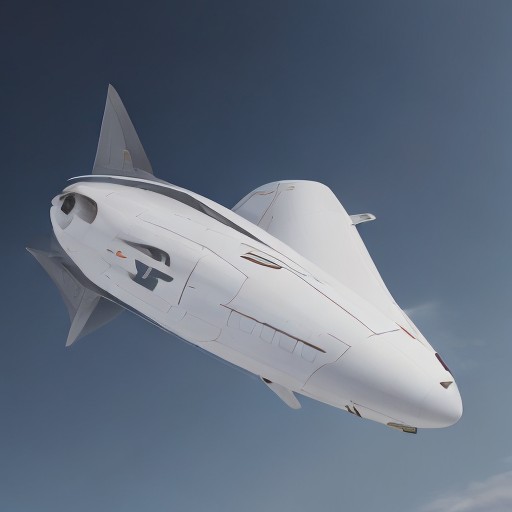
Introduction: A New Era of Space Travel
As humanity stands on the brink of a new era in space exploration, the name Elon Musk resonates with ambitions that many once deemed impossible. With his company, SpaceX, Musk is not just reaching for the stars—he’s building the vessel to get there. Enter the Starship, a revolutionary spacecraft designed to transform not only interplanetary travel but also the very concept of how we commute on Earth. But is this lofty dream within reach, or just another fantastical idea?
The Evolution of Starship: From Concept to Reality
The journey of the Starship began in 2019, with SpaceX aiming to create a fully-reusable, super-heavy-lift launch vehicle capable of replacing the Falcon 9 and Falcon Heavy rockets. The ambitious design of the Starship is not merely a technical marvel; it represents a paradigm shift in how we envision space travel.
Unlike its predecessors, the Starship is engineered for both interplanetary missions and suborbital flights, with the goal of making intercity travel under an hour a reality. Imagine traveling from New York to Tokyo in 30 minutes—this is the dream that Musk’s vision seeks to fulfill.
Mission Objectives: Aiming for the Stars
SpaceX’s mission objectives for Starship are as bold as they are exciting. At the forefront of these plans are the Mars Missions. SpaceX aims to conduct five uncrewed missions to the Red Planet within the next two years, strategically aligned with the upcoming Earth-Mars transfer window. If these missions prove successful, crewed flights could commence in as little as four years.
The implications of these missions are staggering: establishing a human presence on Mars could redefine humanity’s future and our understanding of life beyond Earth.
Commercial Use: Starship’s Versatility
But the Starship is not solely about interplanetary exploration. It is designed to be a versatile spaceship, suitable for a multitude of missions, including commercial flights, lunar missions, and more. This flexibility opens the door to a new era of space tourism, where private citizens could embark on journeys to the Moon or beyond.
However, this ambitious vision is not without controversy. Critics question the feasibility of such commercial endeavors, citing the challenges of safety, regulation, and the environmental impact of increased space travel.
Testing and Progress: Overcoming Challenges
The path to realizing the Starship’s potential has been fraught with challenges. SpaceX has conducted various tests, including static fires and suborbital flights, to ensure the spacecraft meets the rigorous safety and performance standards required for such groundbreaking missions. Currently, the company is preparing for a round-the-world test flight, potentially as soon as Monday, pending an FAA license.
Yet, with progress comes scrutiny. The Starship program is navigating regulatory hurdles, and its testing phases have raised questions about safety and environmental concerns. The balance between rapid innovation and responsible exploration remains a contentious topic within the aerospace community.
The Lunar Landers: A Step Toward the Moon
In addition to Mars, the Starship has been selected as a lunar lander for NASA’s Artemis program. However, recent updates indicate that delays in testing could push back the Artemis crew landing to 2026. This has sparked criticism and concern regarding the timelines of human exploration missions.
Considering SpaceX’s track record with previous launches, including the groundbreaking Demo-2 mission in 2020, which saw the first private company successfully place astronauts into orbit, many are left to wonder if the challenges of the Starship program will hinder the pace of lunar exploration.
Public Perception: The Dream vs. Reality
Public enthusiasm for space travel has surged in recent years, fueled by Musk’s ambitious plans and the captivating allure of interplanetary exploration. However, skepticism remains. Critics argue that while the vision is grand, the reality is fraught with risks and uncertainties. The question arises: Are we witnessing the dawn of a new age of exploration, or are we simply chasing a dream?
Conclusion: The Future Awaits
As we stand at the precipice of a potential revolution in space travel, the Starship program represents both a bold vision and a complex set of challenges. Elon Musk’s determination to push the boundaries of what is possible inspires many, yet it also invites scrutiny and speculation.
The success of the Starship could redefine our place in the universe, but failure could set back humanity’s aspirations for decades. As we await the next steps in SpaceX’s journey, one thing is certain: the world will be watching closely. Will Elon Musk’s Starship be the key to unlocking the mysteries of the cosmos, or will it remain a tantalizing dream?


