
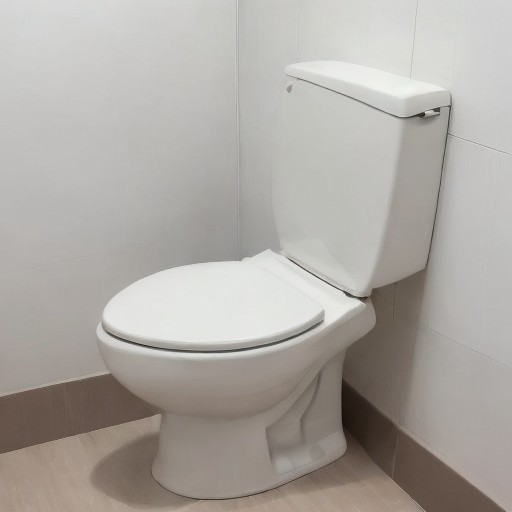
Introduction: The Untold Story Behind World Toilet Day
Every year, November 19th marks a day that many might overlook, yet it is one of the most significant days on the global calendar—World Toilet Day. Initiated by the United Nations, this observance is not merely about toilets; it is a clarion call for action against the global sanitation crisis. In a world where billions lack access to safe and clean sanitation facilities, the implications of this day reverberate far beyond the restroom. As we gear up for World Toilet Day in 2024, it’s time to flush away the stigma and focus on what truly matters.
The Global Sanitation Crisis: A Toilet Truth
The statistics surrounding global sanitation are staggering. According to the latest reports, over 4.2 billion people around the world—nearly half the global population—live without safely managed sanitation services. This includes access to clean and functional toilets. World Toilet Day aims to shine a spotlight on this pressing issue, bringing awareness to the fact that inadequate sanitation is a leading cause of disease and death, particularly in low-income countries.
World Toilet Day 2024: Themes and Goals
This year’s theme for World Toilet Day focuses on “Sanitation and Climate Change,” recognizing the intertwined relationship between our environment and sanitation facilities. Climate change exacerbates sanitation challenges, leading to flooding, increased waterborne diseases, and further marginalization of already vulnerable populations. The UN is pushing for sustainable solutions that address both sanitation and environmental concerns, aiming to create a world where everyone has access to a clean toilet.
The Controversial Conversation: Are We Doing Enough?
Despite the noble intentions behind World Toilet Day, many argue that the global response has been lukewarm at best. Critics question whether enough resources are being allocated to tackle such a critical issue. The UN has set ambitious goals, including the aim for universal access to sanitation by 2030. However, with only seven years left, skepticism looms large. Are governments prioritizing sanitation, or are they merely paying lip service to the cause?
Voices from the Ground: Personal Stories Highlighting the Crisis
To truly grasp the significance of World Toilet Day, one must listen to the stories of those directly affected. In rural areas of India, women and girls often face dangerous conditions when seeking privacy to relieve themselves. The lack of toilets not only infringes on their dignity but also puts them at risk of violence. As one activist poignantly stated, “Access to a toilet is not just a matter of hygiene; it is a matter of safety and respect.”
The Economic Impact of Sanitation
It’s not just a moral imperative; addressing sanitation has tangible economic benefits. According to the World Bank, inadequate sanitation costs low-income countries an estimated $260 billion annually due to healthcare costs and lost productivity. Investing in sanitation infrastructure can yield significant returns—every dollar spent on sanitation can provide a return of $5.50 in economic benefits. As World Toilet Day approaches, the question remains: why are we still neglecting these critical investments?
Global Innovations: Bright Spots in a Grim Landscape
Amidst the challenges, there are glimmers of hope. Innovative solutions are emerging worldwide. From eco-friendly toilets that recycle waste into biofuel to community-led sanitation initiatives that empower local populations, the potential for change is palpable. For instance, the Bill & Melinda Gates Foundation has invested heavily in research to develop low-cost, waterless toilets that could revolutionize sanitation access in underserved regions.
Call to Action: How You Can Make a Difference
As we prepare for World Toilet Day 2024, it’s essential for individuals to recognize their role in this global movement. Here are a few ways you can contribute:
- Educate Yourself: Understanding the issues surrounding sanitation is the first step toward making a difference. Read up on the latest developments and statistics.
- Advocate: Use your voice to advocate for better sanitation policies in your community and beyond. Engage with local leaders and demand action.
- Support Organizations: Consider donating to organizations that are actively working to improve sanitation access globally.
- Spread Awareness: Share information about World Toilet Day on social media. The more people know, the more pressure there is on governments to act.
Potential Implications of Ignoring the Crisis
Ignoring the sanitation crisis is not just a moral failing; it carries severe implications for public health, economic stability, and social equality. With climate change intensifying, the consequences of inadequate sanitation are likely to worsen, leading to higher rates of disease, increased migration, and social unrest. The question we must ask ourselves is simple yet profound: can we afford to continue turning a blind eye?
Conclusion: A Collective Responsibility
As we approach World Toilet Day 2024, let’s remember that the issue of sanitation is not merely about toilets—it’s about human dignity, health, and equality. It is a collective responsibility that requires urgent action from governments, organizations, and individuals alike. It’s time to flush away the stigma and advocate for a future where everyone, regardless of their circumstances, has access to safe and clean toilets. The countdown to November 19th has begun—will you join the movement?
Join the Conversation
What are your thoughts on the global sanitation crisis? Do you believe that enough is being done to address these challenges? Share your comments below and let’s spark a conversation that can lead to real change as we approach World Toilet Day 2024!


