
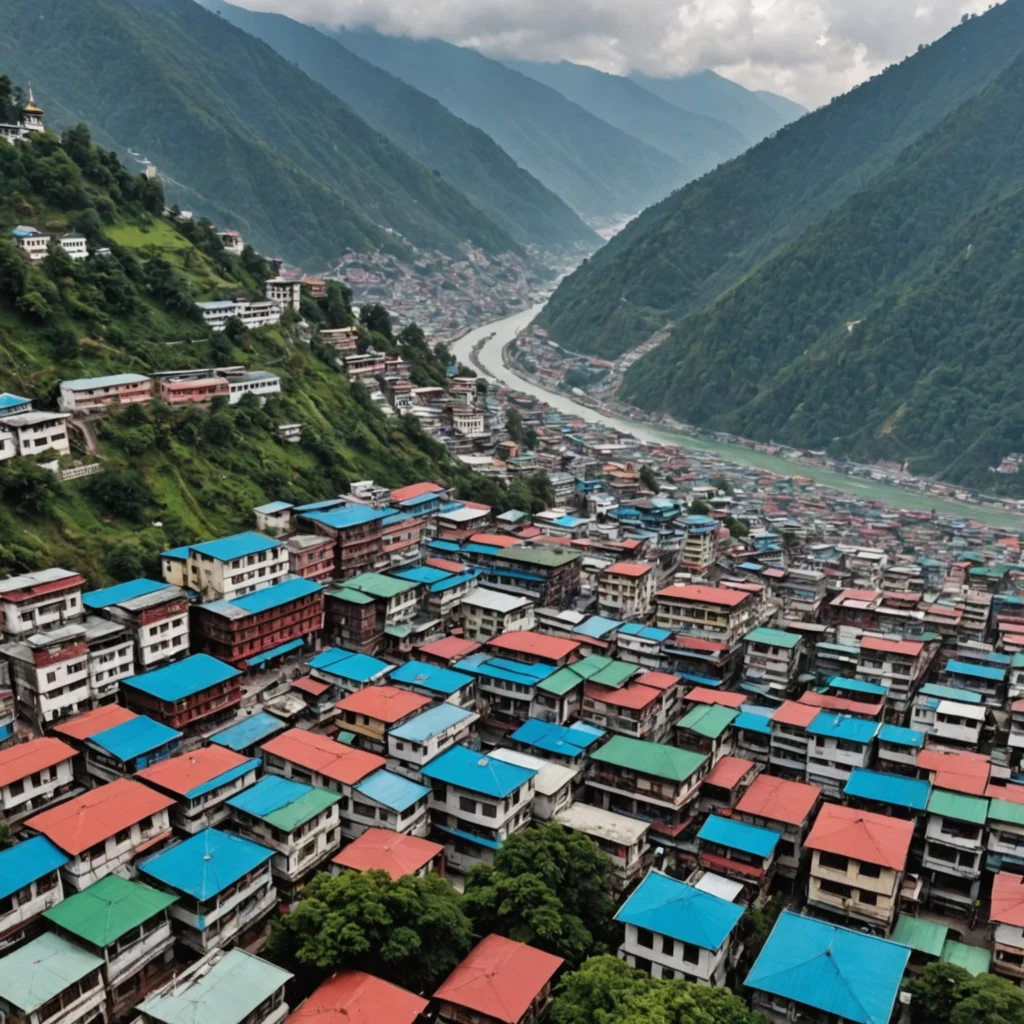
Introduction: A City of Resilience and Growth
Gangtok, the breathtaking capital of Sikkim, is not just a picturesque destination nestled in the Himalayas; it is a dynamic hub of cultural, economic, and educational activities. Recent events have put this charming city back in the spotlight, showcasing its resilience and the vibrant spirit of its people. From natural tremors to sporting triumphs, Gangtok is a city that continues to evolve, capturing the attention of both locals and visitors alike.
Shaken but Not Stirred: The November Earthquake
On November 12, 2024, Gangtok experienced a mild earthquake measuring 3.5 on the Richter scale.
This seismic event, reported by India Today NE, while not causing significant damage, has raised concerns about the city’s preparedness for natural disasters. The tremors were felt across the capital, reminding residents of the region’s vulnerability to seismic activity. However, the quick response from local authorities and the calm demeanor of the populace showcased the resilience that defines Gangtok.
Community Engagement: Spiritual Initiatives Take Center Stage
In a heartwarming display of community spirit, the Social Service Wing of the Brahma Kumaris organized an event in Gangtok focused on promoting spiritual well-being and community engagement. This initiative aims to foster a sense of unity and social responsibility among residents, encouraging them to participate in community service and personal development.
Such events are crucial in a rapidly changing world, as they remind individuals of the importance of connection and support within the community. The event was met with enthusiasm, as locals gathered to engage in discussions and activities designed to uplift the spirit and strengthen community bonds.
Sparking Excitement: The All India Governor’s Gold Cup Returns
Sports enthusiasts in Gangtok were thrilled with the return of the All India Governor’s Gold Cup International Football Tournament, now in its 40th edition after a four-year hiatus. Taking place at the iconic Paljor Stadium, this event is not just a sporting occasion; it is a celebration of culture, pride, and unity.
The tournament has a rich history, attracting teams from across the country and beyond, making it a significant event in the sporting calendar. Local teams have shown remarkable enthusiasm, with fans flocking to the stadium to support their favorites. The excitement surrounding the tournament has prompted discussions about the future of sports in Sikkim, with many calling for increased investment in local talents and facilities.
Economic Pulse: Cardamom Prices and Agricultural Initiatives
As Gangtok thrives, its economy is bolstered by agriculture, particularly the lucrative cardamom trade. On October 17, 2024, the auction price for Badadana small cardamom peaked at an impressive ₹1500.00, with the average price resting at ₹1375.00. These figures not only reflect the local economy’s vitality but also the growing market for Sikkim’s agricultural products.
In addition to cardamom, the recent launch of the “Promotion of Millets in India” initiative by the North-Eastern Regional Agricultural Marketing Corporation (NERAMAC) highlights a concerted effort to boost local farming practices and promote sustainable agriculture. This initiative aims to raise awareness about the nutritional benefits of millets, providing farmers with new opportunities and enhancing food security in the region.
Honoring Tradition: Skill Development and Educational Advancements
Gangtok is also making strides in education and skill development, as evidenced by the celebration of the Silver Jubilee of the Advanced Technical Training Centre (ATTC) in Bardang, Singtam. This institution has been pivotal in providing the youth of Sikkim with the skills necessary to thrive in a competitive job market.
The commitment to education and training is crucial for the region’s development, and the government’s emphasis on technical education is paving the way for a knowledgeable workforce. As Gangtok continues to grow, the need for skilled professionals in various sectors will only increase, making institutions like ATTC invaluable.
A Step Towards Inclusion: The Sikkim State High Level Committee
In a significant move, the Government of Sikkim announced the formation of the Sikkim State High Level Committee (SSHLC). This committee is tasked with assessing and recommending the inclusion of 12 Sikkimese communities in the Scheduled Tribes (ST) list of India. Headquartered in Gangtok, this initiative aims to address the socio-economic disparities faced by these communities.
The implications of this move are profound, as it could lead to increased representation and access to resources for marginalized groups. However, some critics argue that the process must be transparent and fair, ensuring that the voices of all communities are heard. The formation of the SSHLC has sparked a debate about identity, representation, and the future of Sikkim’s diverse population.
Challenges Ahead: Reflecting on Recent Tragedies
While Gangtok is experiencing growth and development, it has not been without challenges. Following a tragic fire incident in Surat, Gujarat, which claimed the lives of two women from Sikkim, Chief Minister Prem Singh Tamang expressed his grief and condolences. This incident has cast a shadow over the community, reminding residents of the fragility of life and the importance of supporting one another during difficult times.
Such tragedies often bring communities together, and local leaders are calling for increased safety measures and support systems to prevent similar incidents in the future. The solidarity shown by the people of Sikkim during this time is a testament to their strength and resilience.
Conclusion: A Bright Future Awaits Gangtok
As Gangtok navigates through these recent developments, it stands at a crossroads of opportunity and challenge. The city’s ability to adapt and thrive in the face of adversity is commendable, and the recent events highlight the indomitable spirit of its people.
With a focus on community engagement, sports, agriculture, and education, Gangtok is poised for a bright future. The ongoing discussions about inclusion and representation only serve to strengthen the region’s identity and commitment to progress.
As Gangtok continues to evolve, one thing is clear: this vibrant capital of Sikkim is not just a destination; it is a testament to resilience, unity, and the promise of a better tomorrow.



