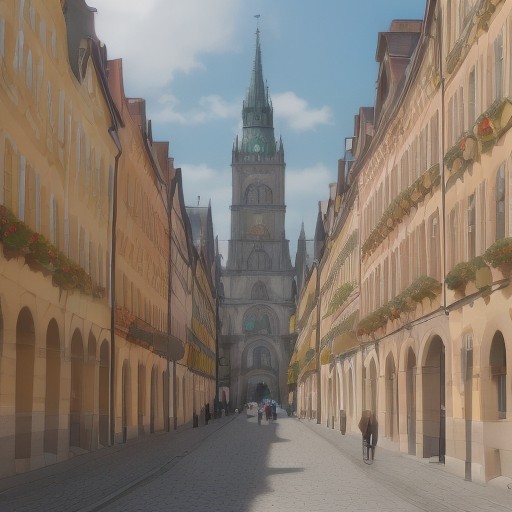
Introduction: A Nation at the Crossroads
Germany, officially known as the Federal Republic of Germany, stands as a pillar of strength in Central Europe, encompassing a diverse landscape that stretches from the stunning Alps in the south to the vast shores of the Baltic and North Sea in the north. With a rich history and a vibrant culture, Germany is currently navigating a multifaceted journey marked by economic resurgence, political challenges, and groundbreaking environmental initiatives. As we delve into the latest developments, it’s essential to examine how these factors shape Germany’s future, and what implications they hold for the rest of the world.
Geography and Politics: A Federal Republic
Geographically, Germany’s location is strategic, serving as a bridge between Western and Eastern Europe. The country operates as a federal republic with a parliamentary democracy, where the Chancellor plays a crucial role in governance. Recent discussions surrounding Chancellor Olaf Scholz’s leadership have sparked debate among political analysts and citizens alike. Scholz’s controversial decision to refrain from sending long-range missiles to Ukraine has garnered criticism not only from Ukraine’s President Zelenskyy but also from various factions within Germany itself. As tensions rise, the question remains: how will this impact Germany’s role in European security?
Economic Landscape: Stock Market Surge and Rising Interest Rates
On the economic front, Germany is experiencing a notable upswing. The main stock market index, DE40, has surged by 14.84% since the start of 2024, reaching an impressive value of 19,241.90 points as of November 18. This growth signals robust investor confidence, but the implications of rising interest rates—currently hovering around 3.40-3.65%—could lead to higher borrowing costs and potentially stifle consumer spending. Economists are closely monitoring these trends, as the unemployment rate currently sits at around 6.10%, leaving many to wonder how sustainable this economic growth truly is.
Political Developments: A Shifting Landscape
The political scene in Germany is as dynamic as its economy. With the upcoming snap elections, the German Greens have selected Economy Minister Robert Habeck as their campaign leader, signaling a shift towards addressing pressing environmental issues and sustainable economic practices. Co-leader Franziska Brantner is also expected to play a significant role in shaping the party’s direction. As the opposition gains momentum, Chancellor Scholz’s administration faces increasing scrutiny over its foreign policy decisions, particularly regarding its relationship with Ukraine and Russia.
Environmental Initiatives: Germany Leading the Charge
Germany is not just a hub of economic activity and political discourse; it is also at the forefront of environmental innovation. One notable initiative is the Electricity Maps app, which allows citizens to visualize and manage electricity production in real-time. This tool provides valuable insights into energy sources and CO2 emissions, empowering individuals to make informed decisions about their energy consumption. As climate change continues to be a pressing global issue, Germany’s efforts to lead the charge in environmental sustainability could set a precedent for other nations to follow.
Culture and Travel: A Tapestry of Experiences
Beyond its political and economic landscape, Germany is a cultural gem that attracts millions of tourists each year. From the historic streets of Berlin to the picturesque villages of Bavaria, the diverse experiences available are vast. Military personnel stationed in Germany often explore the rich traditions, festivals, and culinary delights that define the country. With a growing interest in cultural events, Germany remains a destination of choice for those seeking to immerse themselves in history and modernity.
Controversies and Speculations: The Road Ahead
As we look ahead, Germany stands at a crossroads where economic prosperity, political challenges, and environmental responsibilities intersect. The controversies surrounding Chancellor Scholz’s leadership and his foreign policy decisions will undoubtedly influence the political landscape leading up to the elections. Will the German Greens rise to prominence, or will Scholz manage to hold onto power amidst the turbulence?
Furthermore, the economic implications of rising interest rates and the fluctuating unemployment rate pose significant questions for citizens and investors alike. The optimism surrounding the stock market can only go so far if the underlying economic conditions do not stabilize. Will the government implement effective measures to ensure that the benefits of economic growth reach all citizens?
Conclusion: A Nation in Transition
Germany’s journey is one of resilience and innovation, navigating the complexities of modern governance while remaining committed to economic growth and environmental sustainability. As the nation prepares for impending elections and faces pressing global challenges, the world watches closely. The implications of Germany’s decisions extend far beyond its borders, influencing international relations, economic stability, and environmental progress. Only time will reveal how this pivotal moment in German history unfolds, but one thing is certain: Germany is a nation in transition, poised for a future that could redefine its place on the global stage.


