
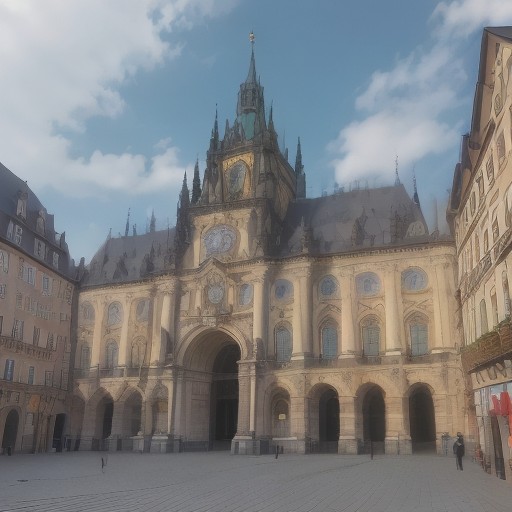
A Nation in Transition
Germany, officially known as the Federal Republic of Germany, is a country steeped in history and innovation, located in the heart of Central Europe. Bordered by the North Sea and the Baltic Sea to the north and the majestic Alps to the south, it boasts a rich tapestry of culture, economy, and politics. However, recent events have left the nation at a crossroads, raising questions about its future direction.
The Political Landscape: Chancellor Olaf Scholz’s Dilemma
At the helm of this complex situation is Chancellor Olaf Scholz, who has found himself navigating turbulent waters on the international stage. His recent decision to refuse sending long-range missiles to Ukraine has stirred significant debate. Critics argue that this reluctance undermines Germany’s role as a leader in European security, while supporters believe it reflects a cautious approach to military involvement.
This decision has sparked a wave of speculation regarding Germany’s foreign policy priorities. As the conflict in Ukraine escalates, will Scholz adjust his stance to appease allies or maintain his current position to prioritize national interests? The implications of this decision reverberate beyond the borders of Germany, impacting NATO dynamics and the European Union’s collective security strategy. As tensions rise, the world watches closely to see how Germany will balance its historical context with modern-day challenges.
Economic Adjustments: A Sign of Changing Times
Amidst political debates, Germany’s economy is also undergoing significant changes. In a surprising move, Bosch, one of the nation’s largest companies, has announced measures to reduce working hours for 10,000 workers. This development raises eyebrows and indicates potential economic adjustments in response to shifting market demands.
Experts suggest this decision reflects a broader trend in the European economy, where companies are reevaluating labor needs in light of post-pandemic realities. As the workforce adapts to new economic conditions, the implications for the labor market and consumer confidence are profound. Will this trend spread across other industries, leading to a reshaping of Germany’s economic landscape?
Sports Surprises: The Rise of the Germany T20 Cricket Team
In an unexpected twist, Germany’s T20 Cricket Team has been making headlines with a commendable win percentage of 62.07%. Their victory over Belgium by just 9 runs in 2019 is a testament to their growing prowess on the cricket field. This rise in performance has sparked interest and conversation around cricket in a nation traditionally dominated by football.
The success of the T20 team raises intriguing questions about the future of sports in Germany. Could cricket, often overshadowed by football, gain traction and popularity? As more citizens tune in to the matches, the potential for a new cultural phenomenon is on the horizon. The implications for sports marketing, youth engagement, and international representation are significant, and the discussion is just beginning.
Undersea Sabotage? A Growing Concern
In a dramatic turn of events, Germany is currently grappling with concerns over damaged undersea cables, with speculation of sabotage looming large. This issue has sparked alarm and led to investigations that could have far-reaching effects on national security and international relations.
Experts warn that the disruption of communication infrastructure could lead to significant economic repercussions and heightened tensions in an already fragile geopolitical climate. The implications of such actions could shift the balance of power in Europe, leading to a renewed focus on cybersecurity and protective measures. As Germany delves deeper into this investigation, the world awaits answers that could redefine its place in global politics.
Germany’s Role in European Politics
As one of the leading economic powerhouses in Europe, Germany’s decisions carry weight that transcends its borders. Its stance on military aid, economic adjustments, and emerging sports trends are all interconnected, reflecting a nation at the forefront of change. The ramifications of these developments could reverberate throughout the continent, influencing policies and alliances for years to come.
Germany’s ability to navigate these challenges will be critical. Will it emerge as a unifying force in Europe, or will internal divisions and external pressures lead to a retreat from its influential role? The answers to these questions are vital not only for Germany but for the future of Europe as a whole.
Engaging the Public: A Call for Discussion
As Germany stands at this pivotal juncture, it invites its citizens and the world to engage in discussion. The political, economic, and cultural implications of recent developments are profound, and public opinion will play a crucial role in shaping the future. How do citizens feel about Scholz’s leadership? What are their thoughts on the economic adjustments at Bosch? Does the rise of cricket signify a cultural shift?
These questions demand answers and provoke debate. Germany is not just a nation of historical significance; it is a dynamic player in a rapidly changing world. As the landscape evolves, so too does the need for conversation, understanding, and collaboration among its people.
The Future of Germany: Challenges and Opportunities
Looking ahead, Germany faces both challenges and opportunities. The political landscape is fraught with tension, the economy is adjusting to new realities, and the rise of sports like cricket offers a glimpse into a diverse cultural future. How Germany responds to these challenges will define its trajectory for years to come.
In conclusion, Germany stands on the edge of transformation, with political, economic, and cultural threads weaving a complex narrative. As the nation grapples with its identity in a shifting global landscape, the world watches with bated breath. Will Germany assert its power, adapt to the changing tides, or falter under pressure? Only time will tell, but one thing is certain: the story of Germany is far from over.


